


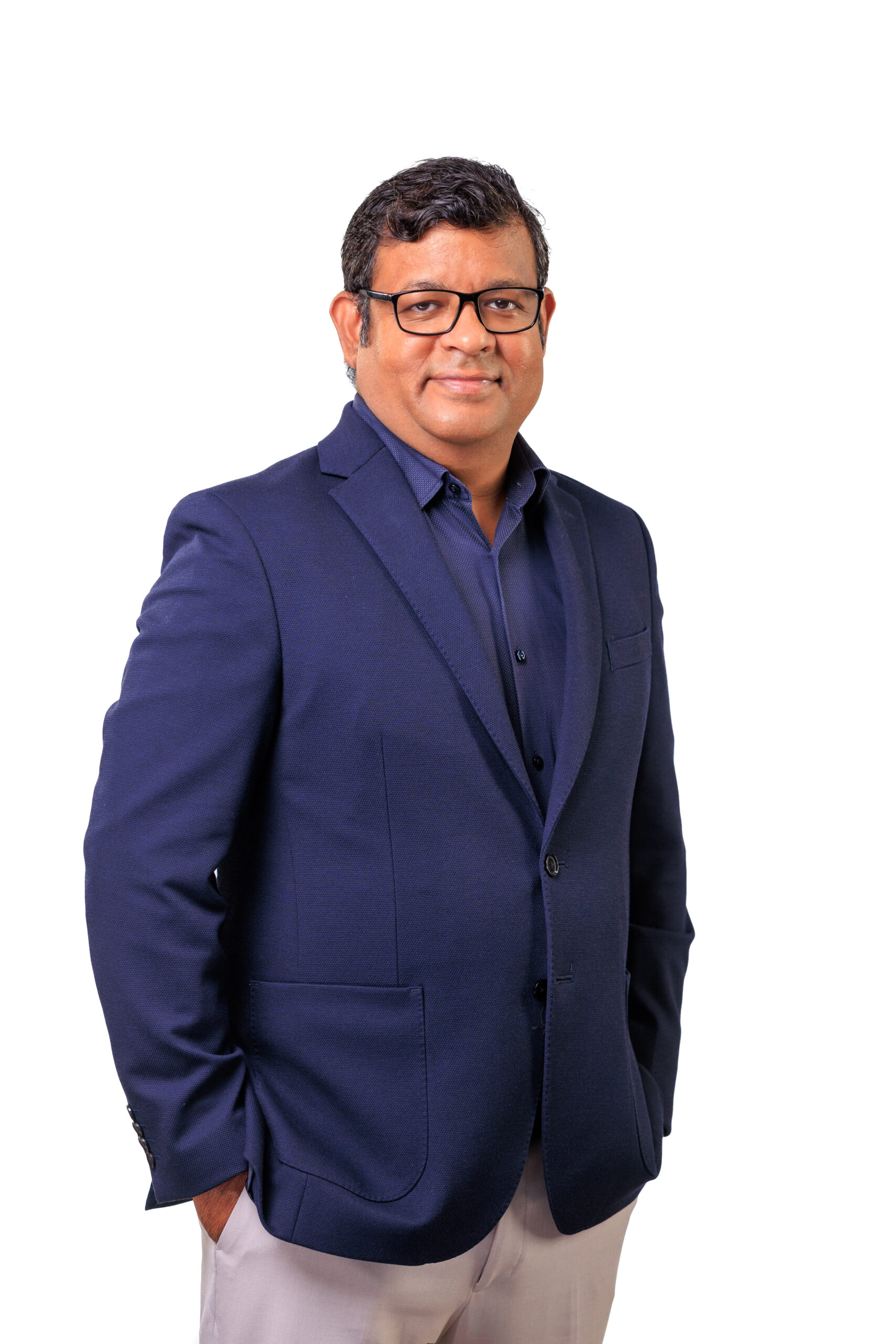
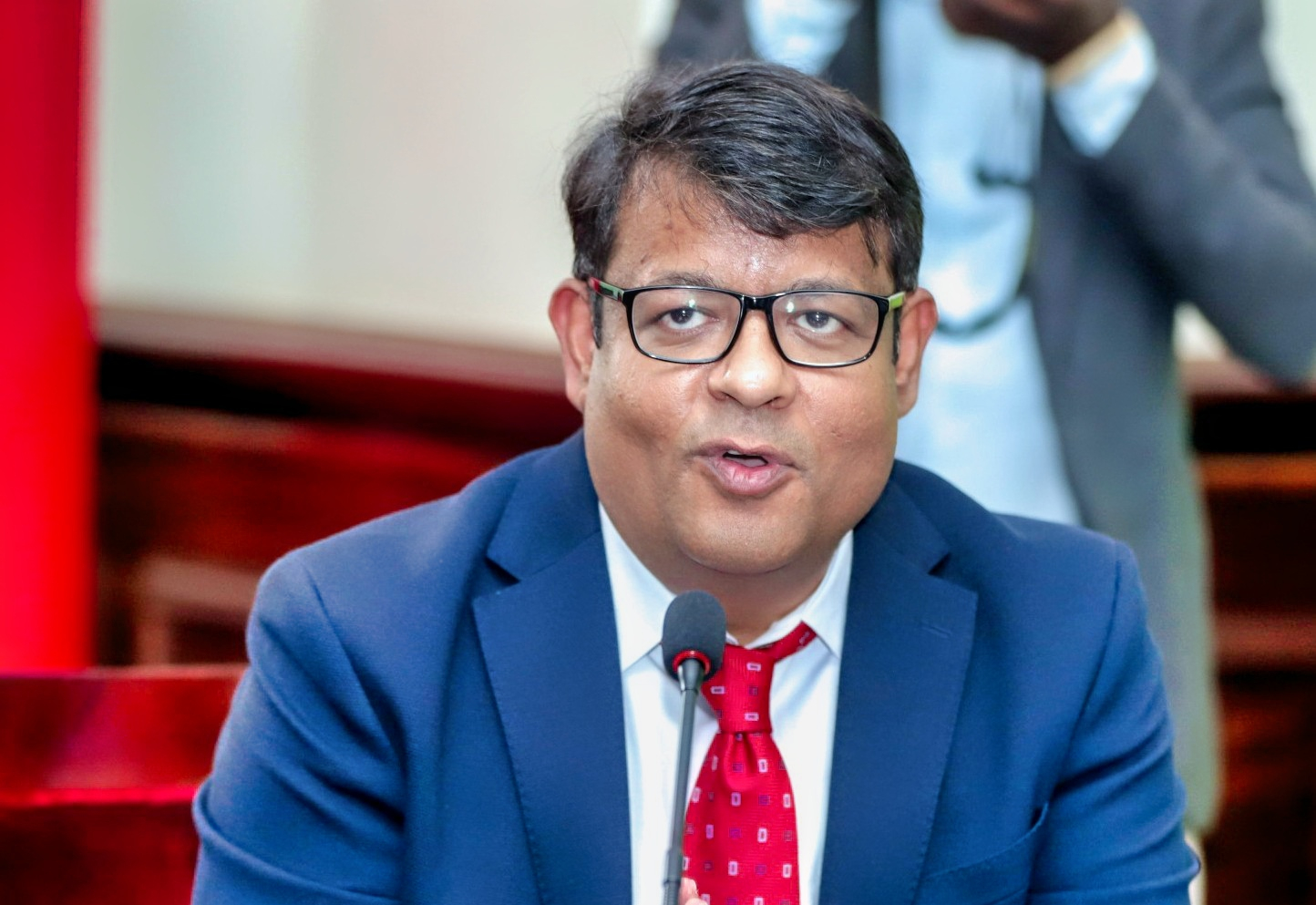
Soumendra Sahu the Managing Director and CEO of Airtel Uganda
Airtel Uganda’s financial results for the year ended December 31, 2025 points to a lasting shift in how Ugandans live, work, and connect. For many Ugandans, those figures signal that the country’s digital transformation is being actualized. One of the clearest signs of that shift is in where Airtel now makes its money.
The company reported a massive 41.1% increase in profit after tax, which climbed to Ushs 446.9 billion, a surge largely driven by a permanent shift in consumer behavior and disciplined cost management. This performance is particularly significant as it demonstrates Airtel’s ability to thrive despite a challenging regulatory environment that saw local interconnect rates slashed from Ushs 45 to Ushs 26 late in the previous year.
In a first for Uganda’s telecom sector, data revenue, at Ushs 1,101.7 billion, has overtaken voice revenue, which stood at Ushs 1,026.8 billion. Voice services still matter, but the center of gravity has moved. Data revenue grew by 22.4% over the year, driven by a 19.6% rise in data customers and a 14.8% increase in usage per customer.
Airtel Uganda Managing Director and CEO Soumendra Sahu highlighted the progress made, stating, “Through our relentless focus on improving the customer experience, we have reported a 13.3% growth in revenue and a 24.5% growth in EBITDA with EBITDA margins increasing to 54.9%. This was supported by our commitment to continuous improvement of our network and service to our valued customers, who are the reason we exist.”
Airtel is also redefining its role in the economy. It is no longer just a seller of SIM cards and call bundles. Through its Network as a Service model, Airtel Business is positioning itself as a backbone for national infrastructure. A clear example is the Hoima City Stadium project, where Airtel is providing end-to-end ICT and connectivity solutions. This approach allows businesses and public institutions to focus on what they do best, while Airtel manages everything from secure firewalls to high-speed fiber connectivity behind the scenes.
This strategic expansion into the B2B sector allows Ugandan businesses to scale their operations while Airtel manages the technical complexities of their network security and connectivity. This shift toward becoming an integrated technology partner has helped insulate the company from fluctuations in the retail voice market.
For shareholders on the Uganda Securities Exchange, the declaration of these results brings a substantial financial reward. The Board of Directors has recommended a final dividend of Ushs 3.55 per share, bringing the total dividend for the full year to Ushs 11.15 per share, a 41.6% increase from the prior period.
Still, a major national challenge remains. While Airtel’s 4G network now covers 98.9% of the population, The GSMA, the global association of telecoms pointed out that coverage does not always equal usage. Uganda has reached 96% 4G population coverage, yet the usage gap stands at 75%.
Closing that gap is Airtel’s next priority for 2026. As Sahu, “In 2026, Airtel Uganda is set for a transformative year as we accelerate our leadership in Uganda’s digital revolution through targeted strategic investments”. The goal is to make connectivity not just widespread, but secure, seamless, and genuinely valuable for every Ugandan.







Leave a Reply