



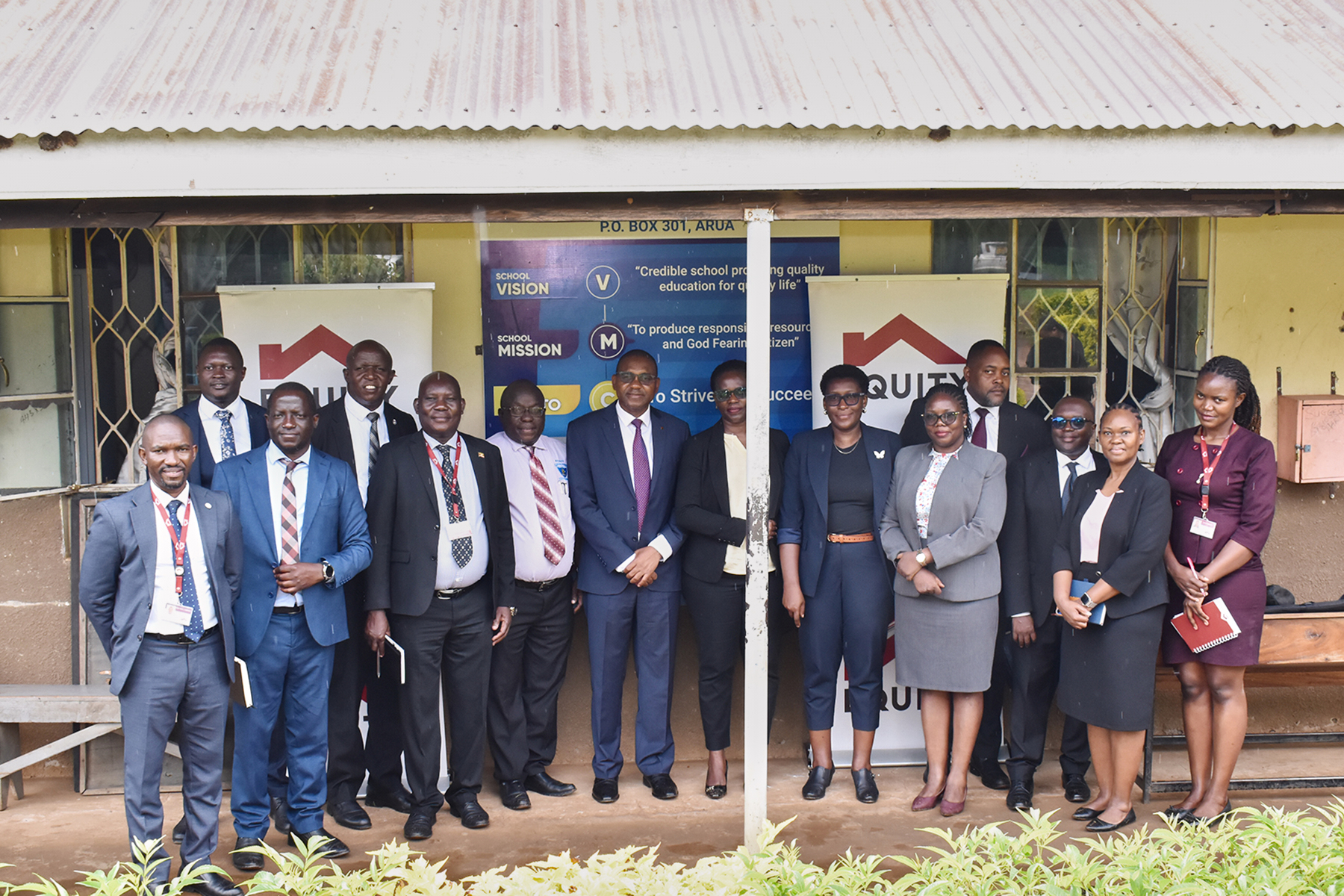
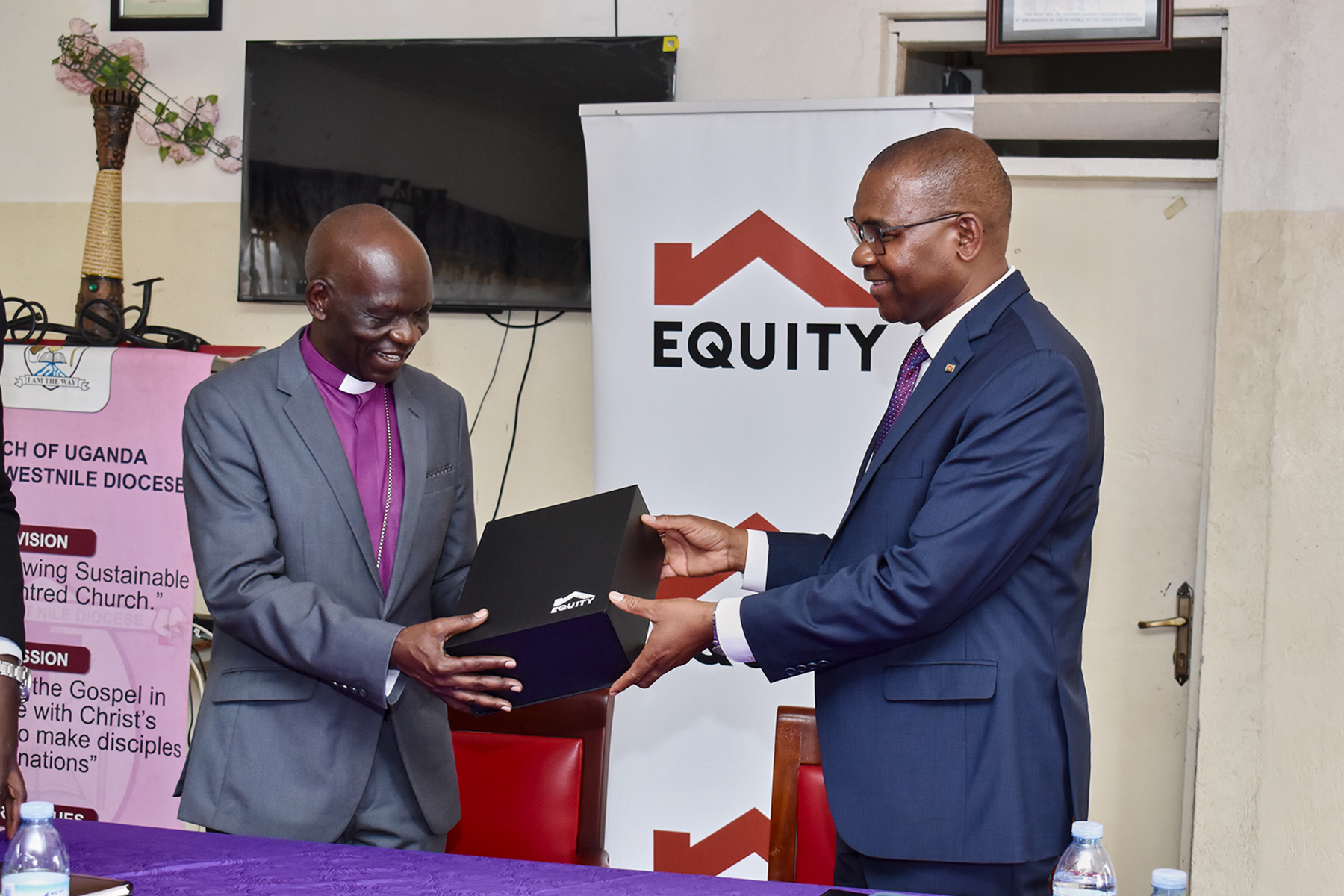
Equity-Bank-officials-and-some-of-the-school-owners-that-attended-the-event recently
As schools across Uganda begin the second term, many institutions are grappling with a familiar challenge — meeting critical operational costs before school fees are fully collected. From paying teachers and purchasing supplies to maintaining facilities, the early weeks of a term often place immense pressure on school finances.
Through targeted education financing solutions, Equity Bank Uganda is helping schools bridge these short-term funding gaps, enabling administrators to keep operations running smoothly while focusing on delivering quality education.
School operators face significant hurdles driven by delayed fee collections, rising operational costs, increasing regulatory requirements, and the need to continuously invest in infrastructure and educational quality. Public and government-aided schools frequently struggle with delayed capitation grants, while private schools must balance the need for upfront payments against the realities of household financial pressures that often result in late or staggered fee payments.
At the same time, schools face rising utility costs, increasing compliance requirements, infrastructure expansion needs, and persistent pressure to improve performance in national examinations. Teacher retention remains another challenge, particularly in rural areas where qualified educators often migrate to urban centres or other professions in search of better remuneration.
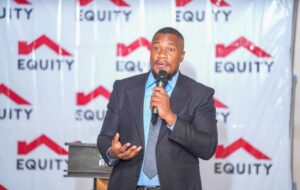
Brian-Ddamba-SME-Business-Development-Manager Equity Bank-addressing-School-owners-during-the-School-Bridge-Financing-seminar
Infrastructure deficits further compound the situation, with many institutions struggling to fund essential facilities such as classrooms, dormitories, laboratories, sanitation facilities, and technology upgrades required to deliver quality education. For parents and guardians, the pressure is equally significant as they juggle tuition fees, uniforms, books, transport, and other household obligations. In this environment, access to affordable and timely financing has become increasingly important for ensuring continuity in education delivery.
Equity Bank Uganda has positioned itself as a key partner for the education sector by providing tailored financial solutions that address the unique cash flow cycles and operational realities of schools. Through its School Bridge Financing facility, Equity Bank Uganda offers unsecured loans of up to UGX 500 million, enabling schools to maintain smooth operations during periods of temporary cash flow constraints. The financing supports critical operational requirements including staff salaries, food supplies, scholastic materials, infrastructure maintenance, repairs, security improvements, and other essential expenditures.
“Schools have predictable revenue streams, but they also face significant upfront expenses every term. Our role is to provide the financial support necessary to bridge that gap, allowing school owners and administrators to focus on delivering quality education rather than worrying about short-term liquidity challenges,” explains Brian Ddamba, Manager, Bridge Finance at Equity Bank Uganda.
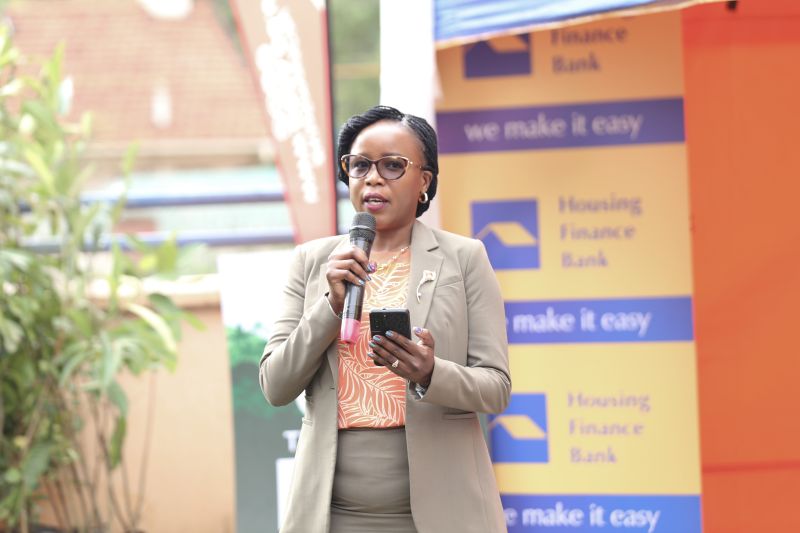
 Equity-Banks-Olivia-Mugaba-Head-of-SMEs-addressing-the-audience-recently during the event
Complementing this facility are additional financing solutions such as Asset Financing of up to UGX 1.6 billion for acquiring school buses, backup generators, computers, ICT equipment, and science laboratory facilities. Schools can also access School Improvement and Expansion Loans to finance the construction of new classrooms, dormitories, libraries, administration blocks, and other infrastructure investments necessary to accommodate growing enrolment.
Following major disruptions such as the COVID-19 pandemic, the bank has also provided recovery financing support to help educational institutions rebuild and stabilize operations. Beyond credit facilities, Equity Bank Uganda offers digital solutions that simplify school fee collection through mobile banking, agency banking, and digital payment platforms. These systems enable real-time payments, improve financial accountability, and enhance administrative efficiency. The bank also provides insurance solutions that help protect school infrastructure, financed assets, and educational institutions against unforeseen risks. Through its Public Sector and Social Investments (PSSI) initiatives, Equity Bank Uganda further supports school proprietors and administrators with capacity-building programmes focused on financial management, budgeting, record-keeping, cash flow forecasting, governance, and risk management.

Martin-Basiima-Supervisor-Bancassurance-addressing-School-Owners-during-a-School-Bridge-Finance-Seminar-recently
These engagements are designed to strengthen institutional sustainability and equip education sector leaders with the skills needed to manage and grow their institutions effectively. Parents and guardians also benefit from dedicated School Fees Loans of up to UGX 5 million per child, helping families meet education-related expenses without interrupting their children’s learning journey. The facility enables learners to return to school on time while allowing parents to repay through flexible arrangements suited to their financial circumstances. By supporting parents directly, the bank also contributes to more predictable fee collections for schools, reducing financial stress and helping institutions manage operations more effectively. Beyond addressing immediate financing needs, these solutions create opportunities for long-term growth and sustainability within the education sector. Schools are better positioned to invest in infrastructure, technology, safety improvements, and learning resources that enhance the quality of education delivered to learners. Equity Bank Uganda recently concluded its School Bridge Financing campaign with a dedicated education sector engagement held on June 23 at Hotel Africana. The event brought together school proprietors, administrators, and education leaders to discuss financing opportunities, sector challenges, and strategies for sustainable growth.
The engagement reinforced the bank’s commitment to supporting Uganda’s education sector and ensuring that institutions have access to the financial tools needed to thrive.
As Uganda continues to invest in human capital development, strengthening access to education financing remains critical for ensuring that schools remain resilient, parents are supported, and learners are able to pursue their education without disruption. For many schools and families, Equity Bank Uganda’s support demonstrates that quality education requires strong financial foundations. Through innovative financing solutions and capacity-building initiatives, the bank is helping ensure that no school is forced to compromise on its mission because of short-term financial constraints.







Leave a Reply