


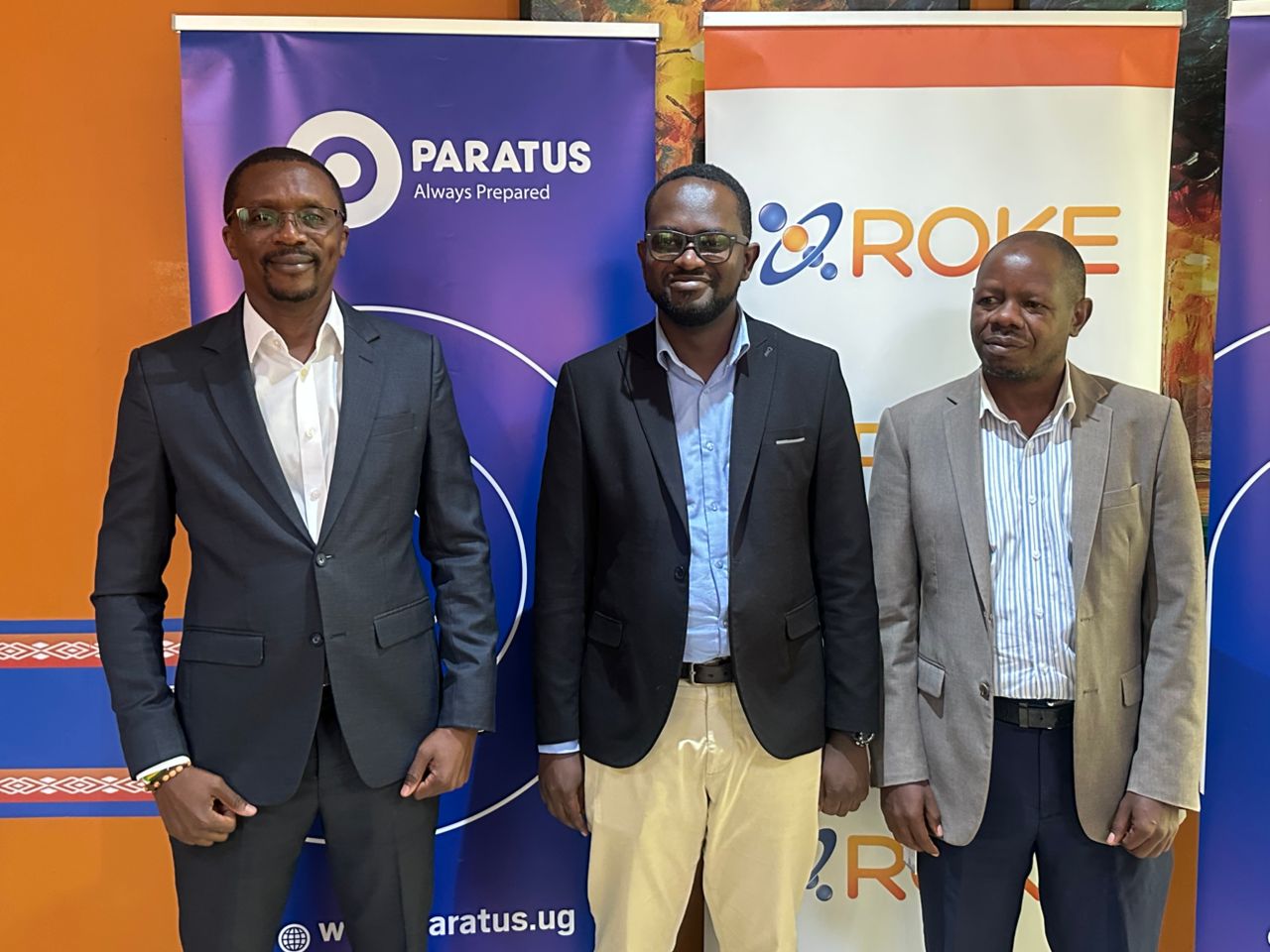
Roke Telkom, in partnership with Paratus Uganda Ltd, the authorized Starlink reseller in Uganda, has officially launched Starlink connectivity services for the enterprise market, opening new possibilities for businesses and organisations seeking reliable, high-speed connectivity across the country.
The partnership brings together the international telecommunications expertise of Paratus Group Holdings, a pan-African service provider operating across 16 African countries, with the local market knowledge and infrastructure of Roke Telkom, which is celebrating 20 years of connecting Ugandans this year.
The service, powered by Starlink’s Low Earth Orbit (LEO) satellite technology, is designed to provide fast, low-latency internet connectivity across a wide range of locations, including areas where traditional fibre and wireless networks may be unavailable or insufficient. It can also complement existing connectivity infrastructure for businesses operating across multiple locations.
Edwin Kyambadde, Country Manager, Paratus Uganda, said the launch marks an important development in Uganda’s connectivity landscape, particularly for businesses whose operations increasingly depend on reliable internet access.
“This is an important milestone for connectivity in Uganda because we are now able to address some of the gaps that businesses have continued to face, while also giving them another option to strengthen their existing connectivity,” said Kyambadde.
“Our focus is not simply on selling connectivity. We want to understand what the customer is trying to achieve, where they operate and what their network requires, and then design a solution that works for them. Starlink gives us another powerful tool to do that.”
The enterprise offering will target organisations operating across multiple locations, as well as businesses and institutions whose operations require reliable connectivity in locations beyond the reach or limitations of conventional networks.
Key sectors expected to benefit include construction and infrastructure, agriculture and agribusiness, tourism and hospitality, mining, education, healthcare, NGOs and government agencies, among others.
For tourism operators, for example, Starlink can help connect lodges and hospitality facilities located in remote destinations, while in education and healthcare, improved connectivity can support remote learning, access to digital resources, telemedicine and the secure sharing of information between facilities.
The technology also creates opportunities for connectivity on the move, including applications where internet access is required on buses, taxis and other mobile platforms.
Peter Muhumuza, Chief Executive Officer, Roke Telkom, said the partnership reflects the evolution of Uganda’s connectivity needs and the importance of combining new technologies with local expertise.
“Roke has spent the last 20 years building connectivity solutions for Ugandans, and as we mark that milestone, we are excited to be entering this next chapter with technologies that allow us to serve our customers in new ways,” said Muhumuza.
“Connectivity on its own is no longer enough for businesses. What businesses need is connectivity that works within their wider operations, whether that means integrating their networks, strengthening cybersecurity or connecting them to cloud services. That is where this partnership becomes particularly important.”
Through the partnership, Roke and Paratus will be able to combine Starlink connectivity with other enterprise solutions, including network integration, cybersecurity and cloud services, allowing businesses to develop customised solutions around their specific operational requirements.
The partnership also combines Paratus’ presence and expertise across 16 African countries with Roke Telkom’s two decades of local experience and established infrastructure and customer support capabilities.
Customers will benefit from local billing and local technical support, while Paratus and Roke will work with businesses to determine the most appropriate connectivity configuration based on their location, network requirements and budget.
Kyambadde said the combination of global technology and local expertise is central to the partnership.
“The strength of this partnership is the combination of global capability and local heritage. Paratus brings international telecommunications experience and access to technologies such as Starlink, while Roke brings 20 years of experience in the Ugandan market and the infrastructure and support needed to serve customers locally,” he said.
“For the customer, that means they get a partner that can help them understand how the technology fits into their existing network and how it can support their business.”
While Starlink residential services are available directly to Ugandan consumers, Paratus Uganda’s initial focus will be on the enterprise and business segment, particularly organisations with multi-site operations or those looking to strengthen connectivity across their locations.
The launch forms part of the partners’ broader ambition to expand the range of connectivity and digital solutions available to Ugandan businesses.
Muhumuza added that Roke’s 20-year journey has been defined by adapting to the changing needs of Uganda’s digital economy.
“Twenty years ago, the connectivity conversation was very different. Today, businesses expect to be connected wherever they operate and to have that connectivity work seamlessly with the rest of their digital infrastructure,” he said. “Our partnership with Paratus and the introduction of Starlink is part of how we continue to respond to that changing reality.”
With the launch, businesses seeking to establish, strengthen or extend connectivity can engage Paratus Uganda and Roke Telkom to assess their requirements and explore customised Starlink-enabled solutions.
The partners believe that combining satellite technology with local expertise will give Ugandan businesses greater flexibility in how they connect their people, locations and operations, while supporting the country’s continued digital transformation.







Leave a Reply