


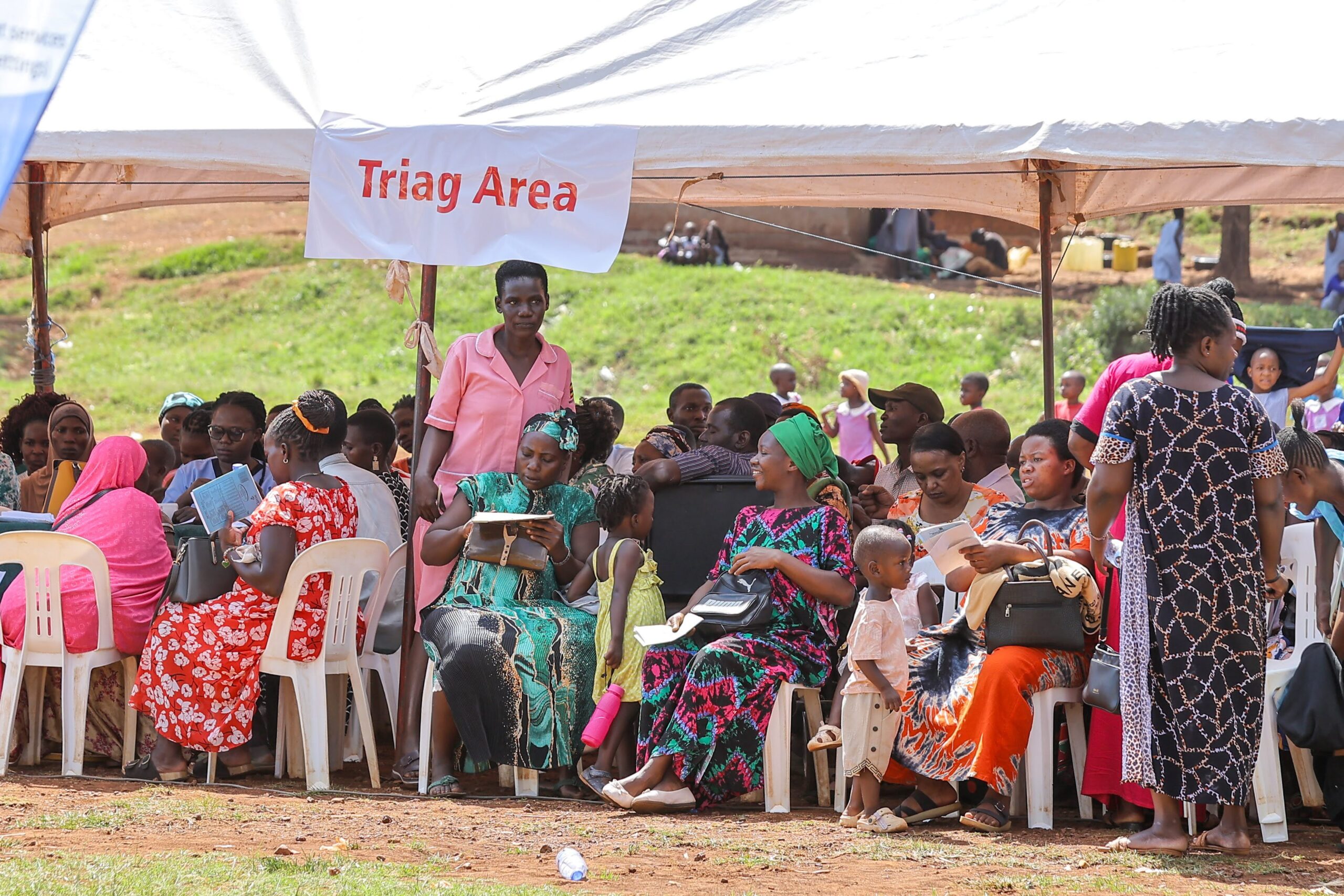
The Insurance Regulatory Authority of Uganda (IRA) and leaders in the Busoga sub-region have called on local communities to embrace micro-health insurance, agricultural cover, and early disease screening to shield households against severe medical expenses and climate-related farm losses.
The call was made during a joint regional health and financial literacy engagement in Jinja City, bringing together officials from the IRA, local government authorities, health experts, the Uganda Health Forum, and representatives from the Busoga Kingdom.
Ag. IRA Chief Executive Officer, Protazio Sande urged the Busoga Health Forum and community organisations to collaborate with licensed insurers to establish affordable, community-based health insurance models tailored to low-income earners and agrarian families.
Pointing out the capacity constraints faced by public health facilities across the region, Sande stressed the urgent need for complementary local financing mechanisms. He cited the long-running health insurance scheme at Kisiizi Hospital in western Uganda as a practical model where members contribute according to their income, with some farmers even clearing premiums using agricultural produce such as coffee.
“Using your forum, if you mobilise and think of a financing model around community health and partner with insurance players to come up with micro-health products, that would be a great opportunity to serve your people. As we wait for the national health insurance scheme, we can start in our own small way and make a significant impact,” Sande noted.
Sande also highlighted the rising vulnerability of rural households to climate shocks, warning that without agricultural insurance, farming remains a high-risk venture due to erratic rainfall and prolonged dry spells. He urged local leaders to welcome insurers into community spaces to educate families on agricultural risk cover and education insurance plans designed to secure children’s schooling.
Speaking on behalf of the Busoga Kingdom Minister of Health, Dr. Andrew Baryeku, Godfrey Ivan Tibenkana observed that late medical diagnosis remains a major driver of high mortality in the sub-region, as many patients seek clinical care only when illnesses are far advanced.
“Whether you are sick or not, it is important to know your health status. Early detection gives patients the best chance to begin treatment and receive proper medical advice before illnesses become severe and expensive to manage,” Tibenkana said, urging residents to seek regular screening for cervical, breast, and prostate cancers, alongside testing for HIV, diabetes, and hypertension.
Tibenkana commended the IRA and partner institutions for supporting regional medical camps, noting that the overwhelming public turnout underlines a massive unmet demand for basic healthcare services across Busoga.
He endorsed the push for community-based insurance schemes, noting that structured risk-pooling models are ideal for agricultural communities with seasonal cash flows, preventing families from selling assets during medical emergencies.
Highlighting the leadership of the Kyabazinga of Busoga, William Gabula Nadiope IV, in driving public health awareness against malaria, communicable diseases, and teenage pregnancies, Tibenkana challenged men to take an active role in family health and financial planning.









Leave a Reply