


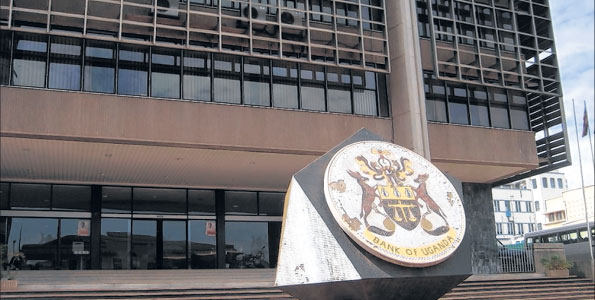
The Bank of Uganda (BoU) has maintained its key policy rate at 9.75 percent for the sixth consecutive meeting, citing subdued inflation alongside persistent domestic and global economic risks.
The decision comes at a time when inflation remains below the central bank’s 5 percent medium-term target, supported by stable food prices, easing global commodity costs, and a relatively steady Uganda shilling. However, BoU says uncertainties in the global economy and local structural challenges continue to warrant a cautious policy stance.
The Central Bank Rate (CBR) is the benchmark rate at which the Bank of Uganda lends to commercial banks and serves as a guide for lending and deposit rates across the financial system. While commercial banks set their own rates, movements in the CBR significantly influence the cost of borrowing for businesses and households.
By keeping the rate unchanged, the central bank signals a preference for stability, opting neither to tighten monetary conditions nor to aggressively stimulate borrowing.
Why the Rate Was Held
According to BoU, inflationary pressures remain contained, but risks persist. Globally, elevated interest rates continue to raise the cost of borrowing and constrain capital flows to emerging and developing economies. Domestically, factors such as climate-related shocks, fiscal pressures, and uncertainty in external demand could still affect price stability and economic growth.
Holding the rate allows the central bank to monitor these risks before making further policy adjustments.
Impact on Businesses
For businesses, particularly small and medium enterprises (SMEs), the decision offers predictability. Lending rates are unlikely to rise sharply in the near term, enabling firms to plan for cash flow, inventory financing, and investment with greater certainty.
However, borrowing costs in Uganda remain relatively high, as commercial banks continue to price in risk despite the stable policy rate.
Implications for Borrowers and Consumers
For existing borrowers, the decision means loan interest rates are unlikely to increase in the short term. Prospective borrowers can expect the cost of credit to remain broadly unchanged—neither cheaper nor more expensive.
Savings rates are also expected to remain stable, offering modest returns amid a still-challenging cost-of-living environment.
Economists note that future monetary policy decisions will depend on inflation trends, exchange rate stability, government borrowing, and global economic developments. If inflation remains low and economic growth slows, the central bank could consider easing rates later in the year. However, renewed price pressures or external shocks may keep rates elevated for longer.
The Bank of Uganda’s decision to hold the policy rate at 9.75 percent reflects a cautious approach aimed at preserving stability. While the move provides certainty for businesses and households, access to cheaper credit remains limited as the economy continues its gradual recovery.












Leave a Reply