



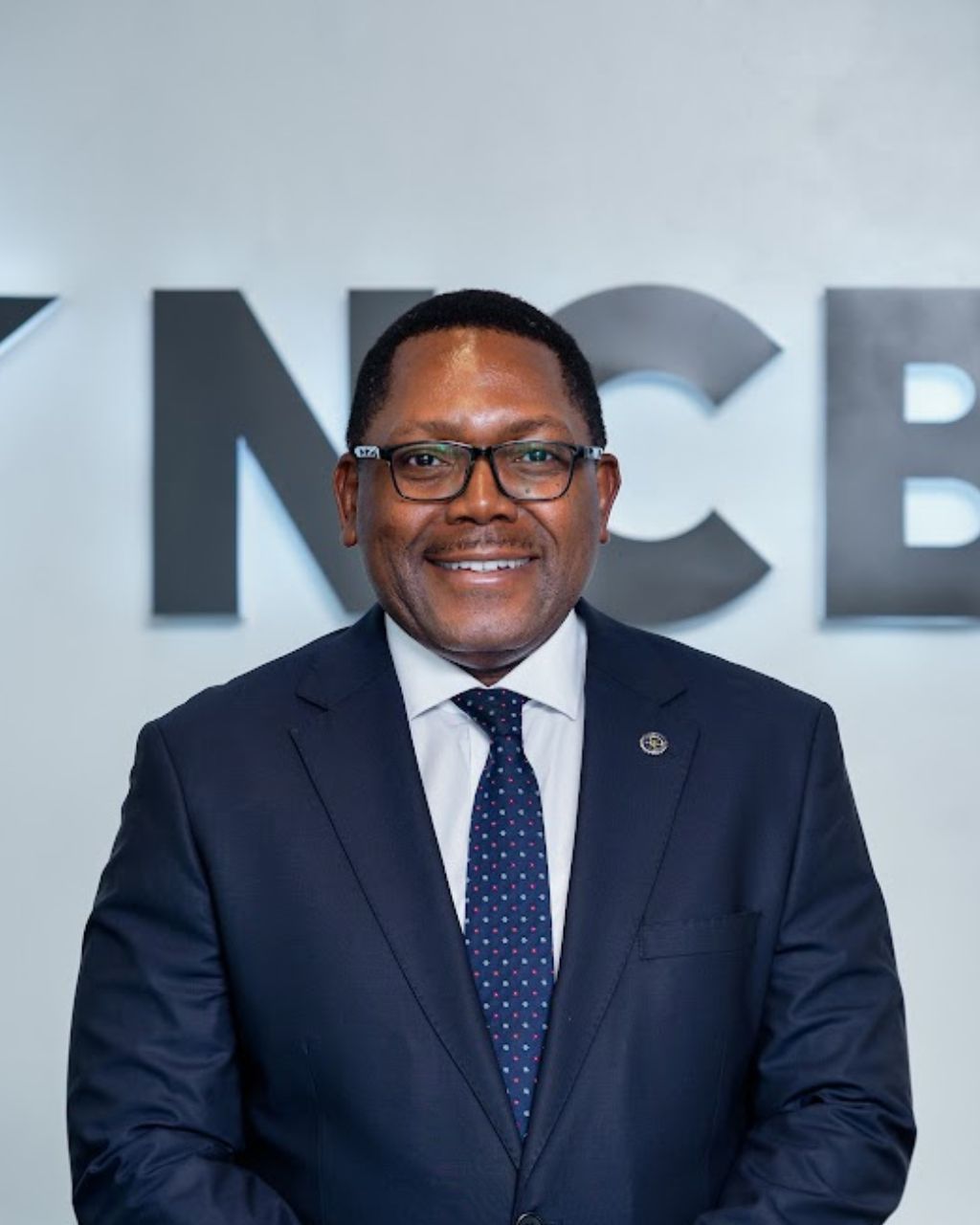
Bryan Katamba, Sector Head- and Health, dfcu Bank
As schools reopen and learners return to class, many school owners face the same term-opening reality. Salaries must be paid, suppliers settled, buses fueled and infrastructure maintained, often before fees are fully collected.
It is in response to this recurring liquidity pressure that dfcu Bank launched the “School Fiiz! Weight Off!” campaign on January 12, 2026. At its centre is School Bridge Financing, an unsecured facility of up to UGX 500 million designed to help schools manage operational gaps at the start of term.
Processed within 24 hours for qualifying customers, the facility offers repayment terms of up to 120 months and 30% of school fees collection through dfcu Bank per term including a repayment holiday of up to 90 days. The aim is to provide breathing space so schools can meet immediate obligations while structured fee collections stabilise.
Eligibility is tied to strengthening collections through dfcu platforms such as SchoolPay, SurePay or PegPay. Participating schools also stand a chance to receive a UGX 5 million library stock-up to enhance their learning environments.
Beyond bridge financing, dfcu provides Schools Comprehensive Insurance Cover and School Motor Comprehensive policies to protect property, vehicles, staff and students against fire, accidents and liability risks. The bank also supports ecosystem partners such as book suppliers and transporters through LPO financing of up to 70 percent and asset financing of up to 100 percent, helping stabilise the wider education value chain.
Uganda’s 22-month COVID-19 school closure, the longest globally, exposed the financial vulnerability of many private institutions. An estimated 3,507 primary schools and 832 secondary schools were projected never to reopen. With tuition as their primary income source, many schools could not meet rent or loan obligations. Some were evicted, others had properties auctioned.
The lesson was clear. Education functions as an ecosystem. When school cash flow weakens, teachers, learners and communities feel the impact.
For over 62 years, dfcu has partnered with academic institutions across Uganda. The experience reinforced a simple principle, sustainability in education requires predictable cash flow, risk protection and resilient value chains.
Real progress demands that we rethink education as an investment ecosystem. No child should miss school due to financial instability. Equally, no school owner should compromise long-term sustainability to solve short-term pressures.
The writer is Bryan Katamba, Sector Head- and Health, dfcu Bank















Leave a Reply