


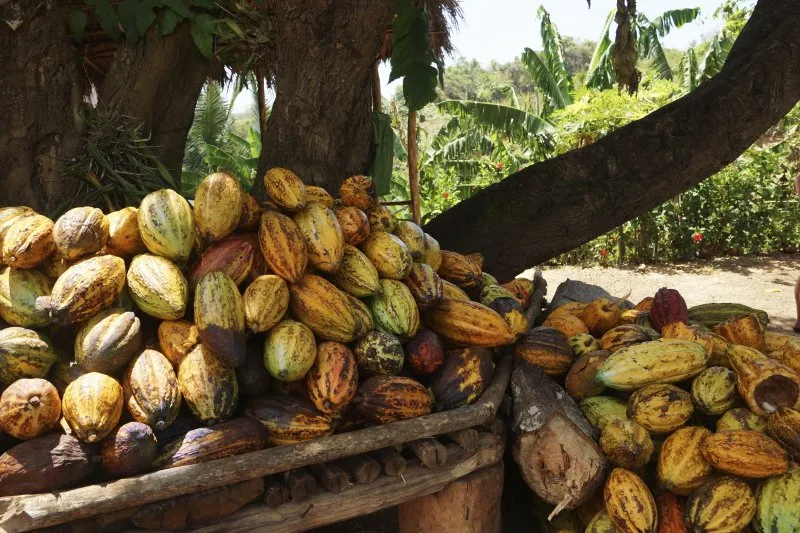
Farmers across the Busoga Sub-region are increasingly embracing cocoa farming as an alternative to sugarcane, attracted by its promising returns and environmental benefits.
For decades, sugarcane has been the dominant cash crop in Busoga. However, many farmers are now diversifying into cocoa production, citing its profitability, resilience, and ability to support sustainable farming practices.
The shift has been driven by growing awareness campaigns led by various stakeholders, including the Busoga Kingdom, which has encouraged farmers to adopt cocoa as a viable income-generating crop. The Government, through the Ministry of Agriculture, Animal Industry and Fisheries, has also stepped up efforts by distributing cocoa seedlings to organised farmer groups across the region.
Agricultural experts say cocoa presents several advantages over traditional cash crops. Unlike sugarcane, cocoa thrives under tree shade, making it an environmentally friendly crop that promotes agroforestry and biodiversity. During its early growth stages, farmers can also intercrop cocoa with food crops, maximizing land use while maintaining soil fertility.
Experts further note that cocoa farming discourages deforestation because the crop performs best under tree cover. Farmers are therefore encouraged to preserve existing trees and plant more, contributing to environmental conservation while improving their livelihoods.
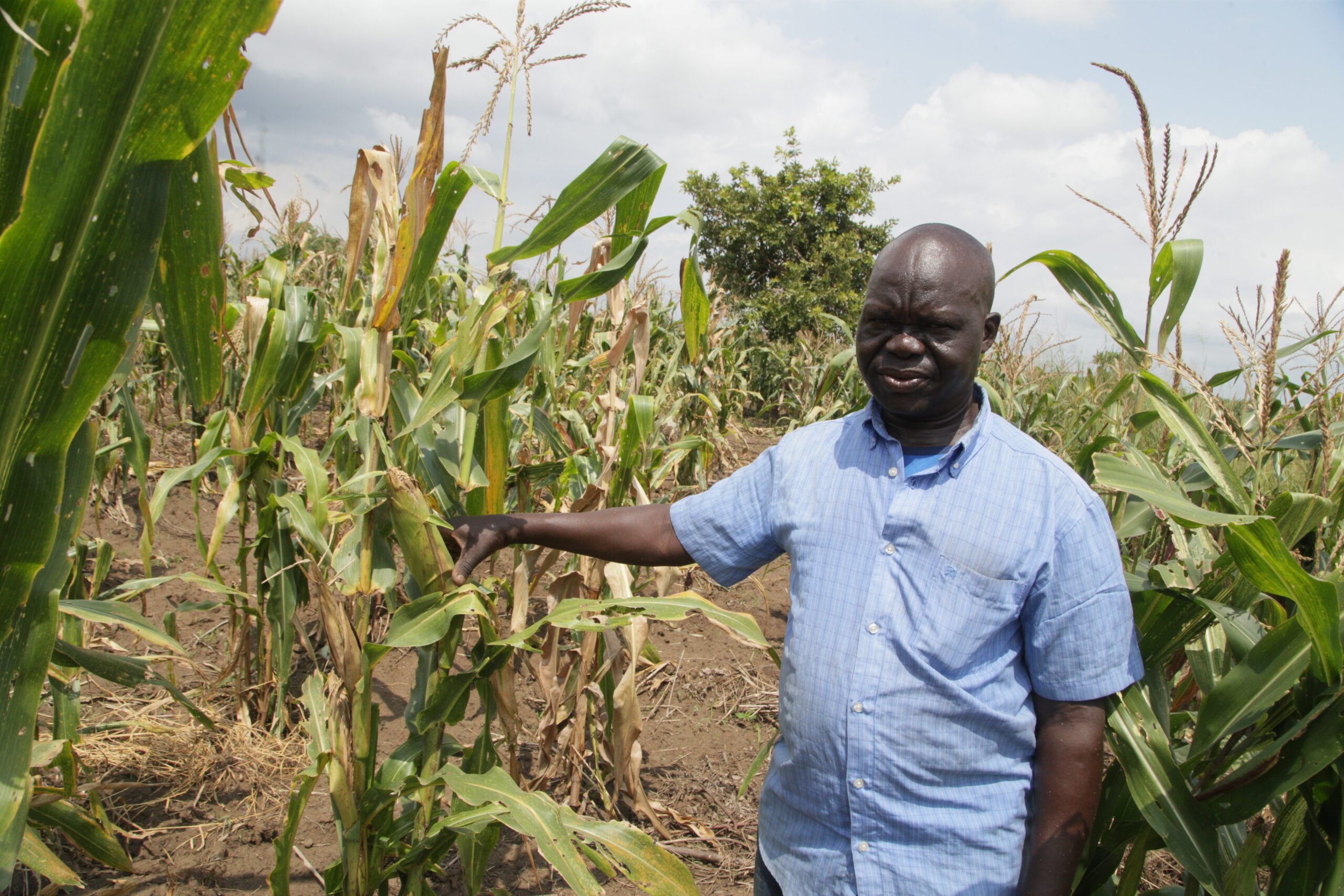
Among those championing the crop is Mr. Kintu Muhammad, a farmer from Luuka District who has established more than four hectares of cocoa plantation. He says the crop offers better long-term prospects than many traditional cash crops and has already begun transforming his income expectations.
“I encourage fellow farmers in Busoga to embrace cocoa farming. The opportunities are immense, and I am ready to share both seedlings and knowledge with those interested in venturing into the enterprise,” he said.
Despite being one of Uganda’s major agricultural regions, Busoga has continued to grapple with high poverty levels even as farmers cultivate large quantities of sugarcane and coffee. The sub-region comprises eleven districts, including Kamuli, Buyende, Luuka, Iganga, Mayuge, Jinja, Kaliro, Bugiri, Bugweri, Namutumba and Namayingo.
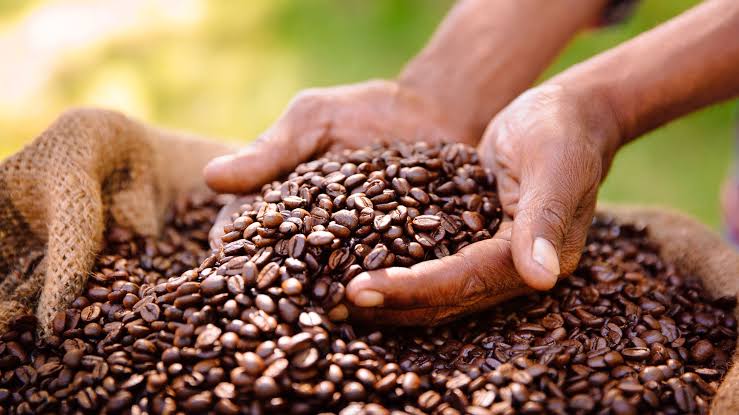
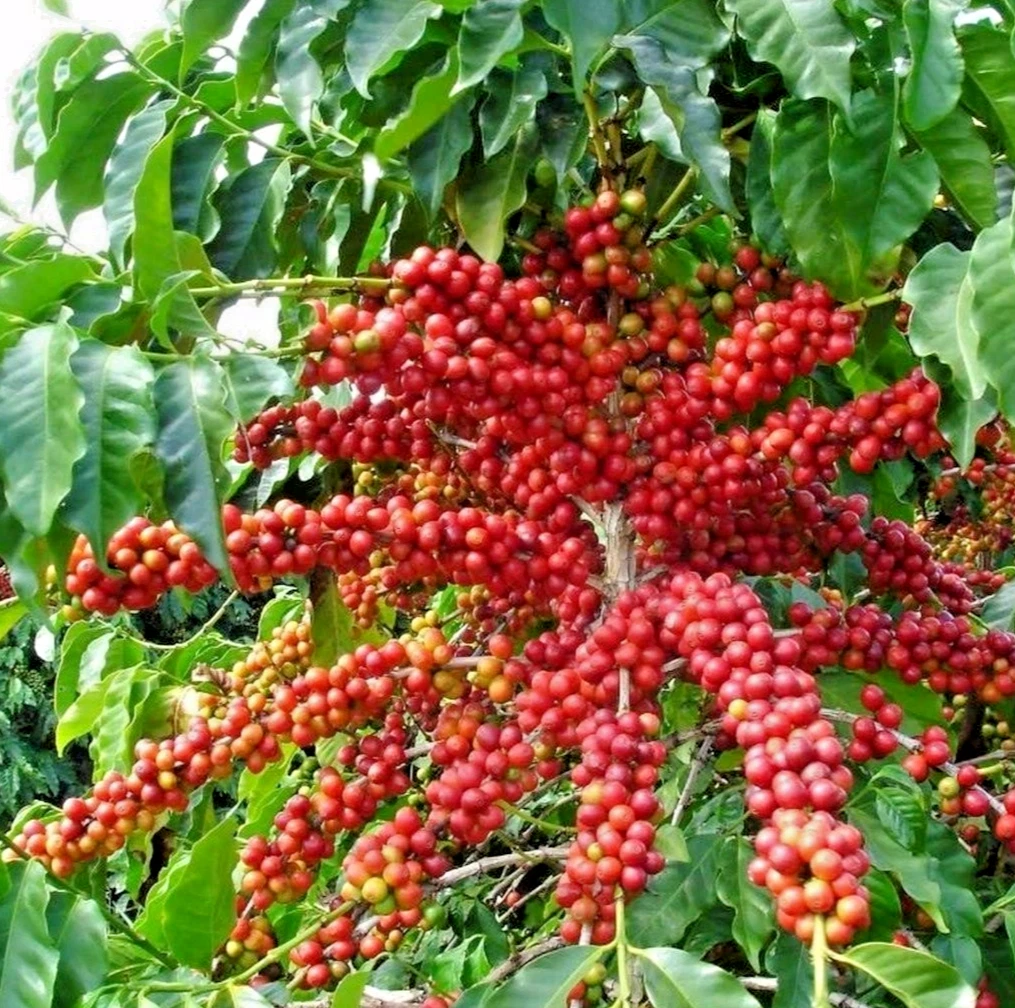
Agriculture experts believe cocoa and coffee offer a pathway to more sustainable agricultural development due to their strong demand on international markets and their positive impact on the environment. Cocoa plantations contribute organic matter through leaf litter, improve soil structure, provide shade, and support long-term land productivity.
As more farmers embrace cocoa cultivation, stakeholders are optimistic that the crop could become a key driver of economic transformation in Busoga while promoting climate-smart agriculture and environmental conservation.










Leave a Reply