


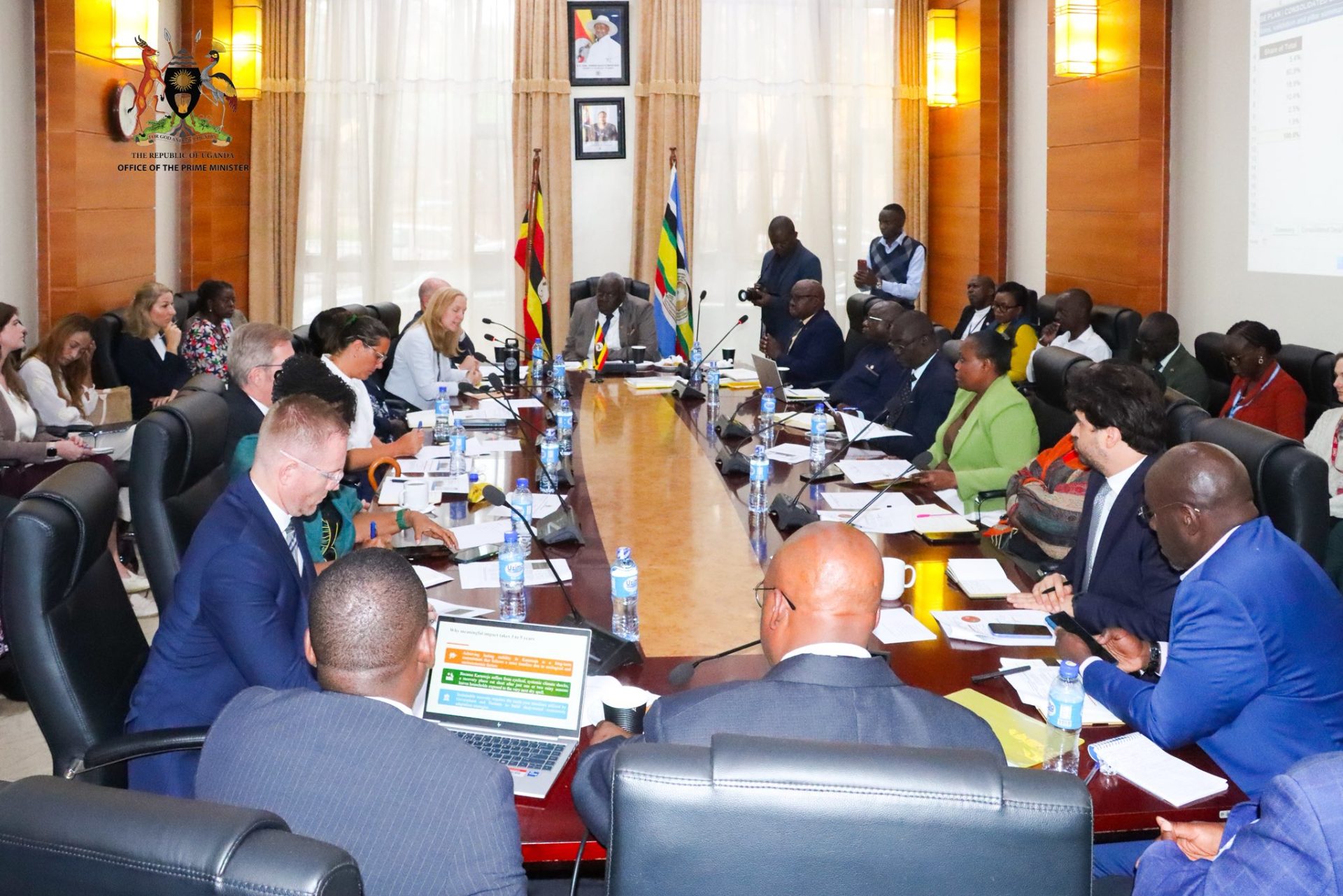
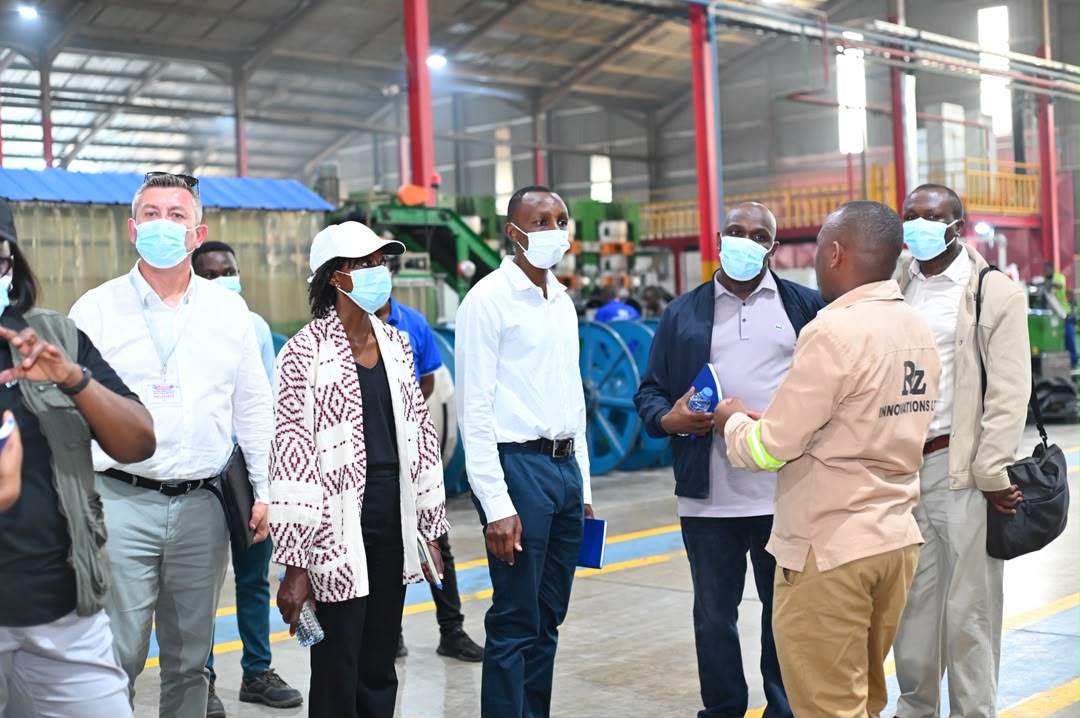
Officials attending a meeting of the Karamoja Development Partners Group
The Government has launched a comprehensive six-month action plan aimed at improving coordination of food relief efforts while laying the foundation for long-term food security in the Karamoja sub-region.
The strategy combines emergency humanitarian assistance with sustainable interventions intended to strengthen livelihoods, improve nutrition and build resilience among vulnerable communities that continue to face recurring food shortages.
The framework is built around six priority areas: coordination, logistics, data and early warning systems; food assistance, cash transfers and market support; nutrition, health, mortality, water, sanitation and hygiene; agriculture, livestock and livelihoods; education and school meals; as well as governance, cross-border peace-building and community protection.
The response plan was presented during a follow-up engagement between Government and the Karamoja Development Partners Group. The meeting was chaired by the Minister for Relief, Disaster Preparedness and Refugees, Hon. Sam Engola, who represented Prime Minister Robinah Nabbanja.
The engagement focused on strengthening collaboration between Government institutions and development partners to ensure a more coordinated response to food insecurity and other humanitarian challenges affecting the region.
Under the new roadmap, Government intends to reinforce ongoing food distribution programmes while investing in stronger early warning systems, expanding access to nutrition and essential social services, supporting agricultural production and livestock development, and safeguarding household livelihoods.
The plan also prioritises education through school feeding initiatives, while promoting governance, peace-building and protection programmes to address the broader social and economic factors that continue to fuel vulnerability across Karamoja.
Officials expect the six-month strategy to improve coordination among implementing partners, enhance the effectiveness of humanitarian interventions and gradually shift the region from emergency food relief towards more resilient and sustainable food systems.













Leave a Reply