


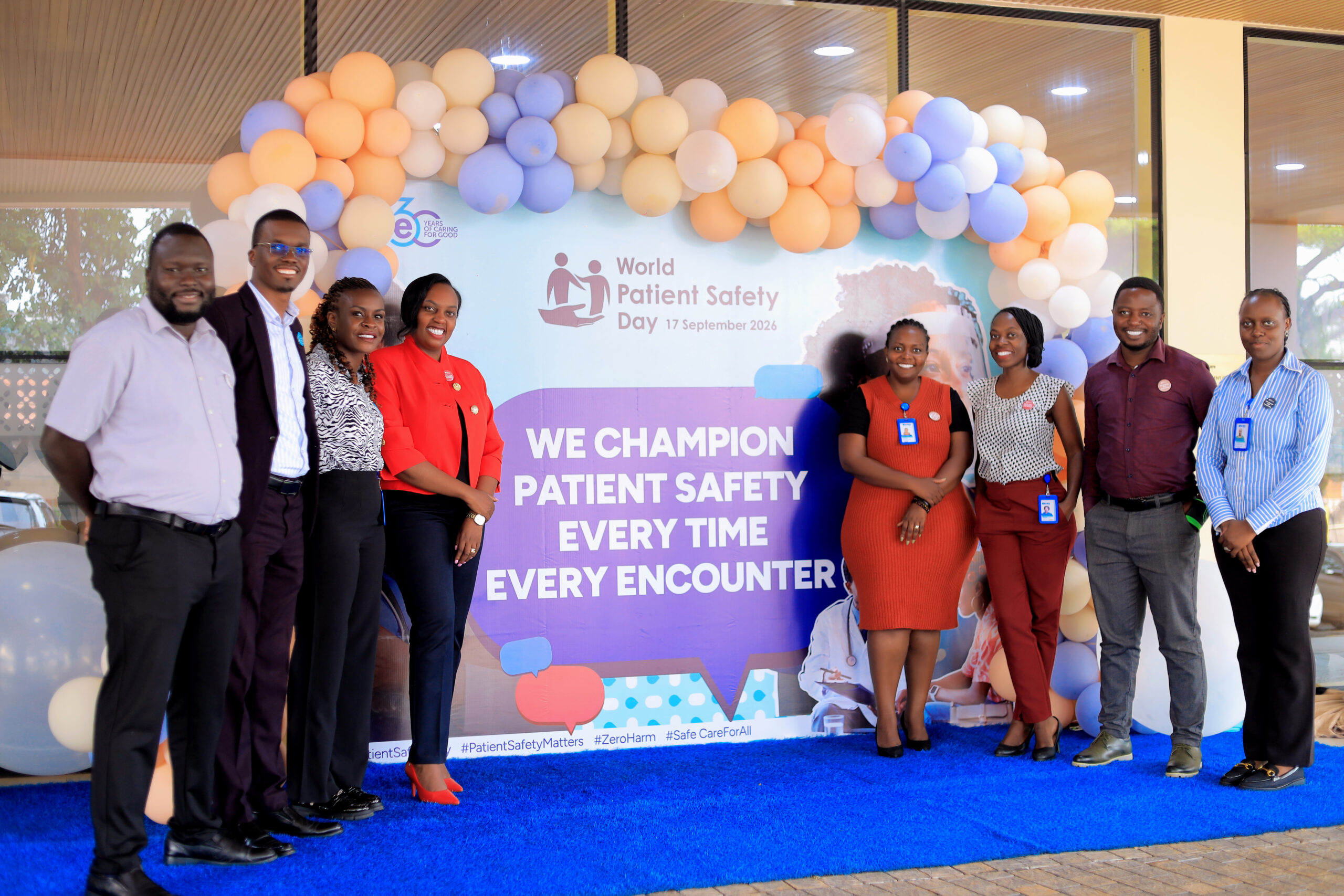
C-Care Uganda has strengthened its commitment to safer, patient-centred healthcare with the launch of the International Patient Safety Goals (IPSG) across its network of clinics and hospitals, marking a significant step towards embedding patient safety into everyday healthcare delivery.
The initiative was launched during C-Care’s World Patient Safety Day 2026 celebrations under this year’s global theme, “Safe care for noncommunicable diseases,” which highlights the need for safer and more coordinated care for people living with chronic conditions.
For C-Care, the observance signaled the beginning of a wider effort to make patient safety an everyday part of how care is delivered across its facilities, ensuring that healthcare teams consistently apply internationally recognised safety practices throughout the patient journey.
The International Patient Safety Goals focus on six critical areas of care: correctly identifying patients, improving effective communication, improving the safety of high-alert medications, ensuring safe surgery, reducing the risk of healthcare-associated infections and reducing the risk of patient harm from falls. While these may appear to be simple checks, C-Care says they play an important role in preventing avoidable errors and protecting patients throughout their care.
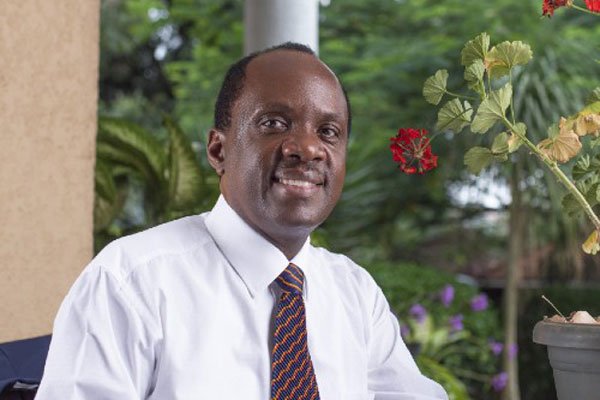
Dr. Mutero Musinga, General Manager, C-Care IHK, while speaking during the event, said patient safety must extend beyond what happens within a hospital and become part of how people understand and manage their health every day.
“When we talk about patient safety, particularly for people living with noncommunicable diseases, we are talking about what happens during a hospital visit. Safe care is a continuous journey that involves accurate diagnosis, the right treatment, safe medication use, follow-up and, importantly, the patient being actively involved in decisions about their health. We must move from seeing patients as passive recipients of care to recognising them as partners in achieving better and safer health outcomes,” Dr. Musinga said.
The focus on noncommunicable diseases comes at a time when Uganda continues to face a significant NCD burden. According to the World Health Organization, noncommunicable diseases accounted for 37 percent of all deaths in Uganda in 2021, representing approximately 93,000 deaths. The WHO also estimates that the probability of a Ugandan dying prematurely from one of the four major NCDs cardiovascular diseases, cancer, diabetes, and chronic respiratory diseases between the ages of 30 and 70 is 21.8 percent.
For people living with NCDs, healthcare is often a long-term journey involving prevention, diagnosis, treatment, medication management, follow-up and self-care. This means that opportunities for safety risks can arise at different points, particularly when patients move between healthcare settings or manage aspects of their treatment outside a health facility. Clear communication, accurate information, medication safety, and continuity of care therefore remain critical to protecting patients throughout this journey.
C-Care’s introduction of the International Patient Safety Goals is intended to translate these principles into practical actions across its healthcare network. This means that patients may notice healthcare workers asking them to confirm their details more than once, checking their medication, repeating important information, or pausing to verify information before providing care or carrying out a procedure. These checks are deliberate safeguards intended to reduce the possibility of avoidable harm.
Speaking about the responsibility of healthcare providers in maintaining these standards, Andrew Mugalu, General Manager, C-Care IMC, said patient safety depends on consistently getting the fundamentals of clinical care right.
“We are privileged to operate in a sector that impacts the most fundamental part of human life: people’s health. Maintaining exceptional safety standards requires us to focus consistently on the foundational basics of clinical care,” Mugalu said.
The implementation of the goals will be supported through staff awareness, continuous education, and their practical application in everyday patient care. C-Care’s intention is to ensure that patient safety becomes part of how its teams work across every point of the patient journey, whether at reception, in consultation rooms, pharmacies, laboratories, wards, theatres or other areas where patients interact with the healthcare system.
Patients will also play an important role in this approach. C-Care is encouraging patients to ask questions whenever something about their care is unclear, provide accurate information about their health and medication, and speak up whenever they have a concern. This reinforces the idea that patient safety is a shared responsibility between healthcare teams and the people they serve.
Dr. Musinga said that creating a strong culture of patient safety requires collaboration across the entire healthcare ecosystem.
“Healthcare providers cannot achieve patient safety alone. It requires patients who feel empowered to ask questions and understand their care, health workers who are supported to uphold safe practices, and systems that make safety a priority at every level. When we work together, we create a healthcare environment where people are treated and protected from avoidable harm throughout their care journey,” he said.
The World Patient Safety Day campaign reinforces the importance of making safe care relevant in people’s everyday lives. For C-Care, the IPSG rollout reflects a commitment to embedding this approach in the organisation’s wider culture and ensuring every team member understands their role in keeping patients safe.
By embedding patient safety practices across its facilities, C-Care is ensuring safety shows up in the small, consistent actions that protect patients every day. The organisation’s commitment is ultimately centered on creating a healthcare experience where patients are informed, heard, involved in their care, and protected from avoidable harm throughout their healthcare journey.









Leave a Reply