



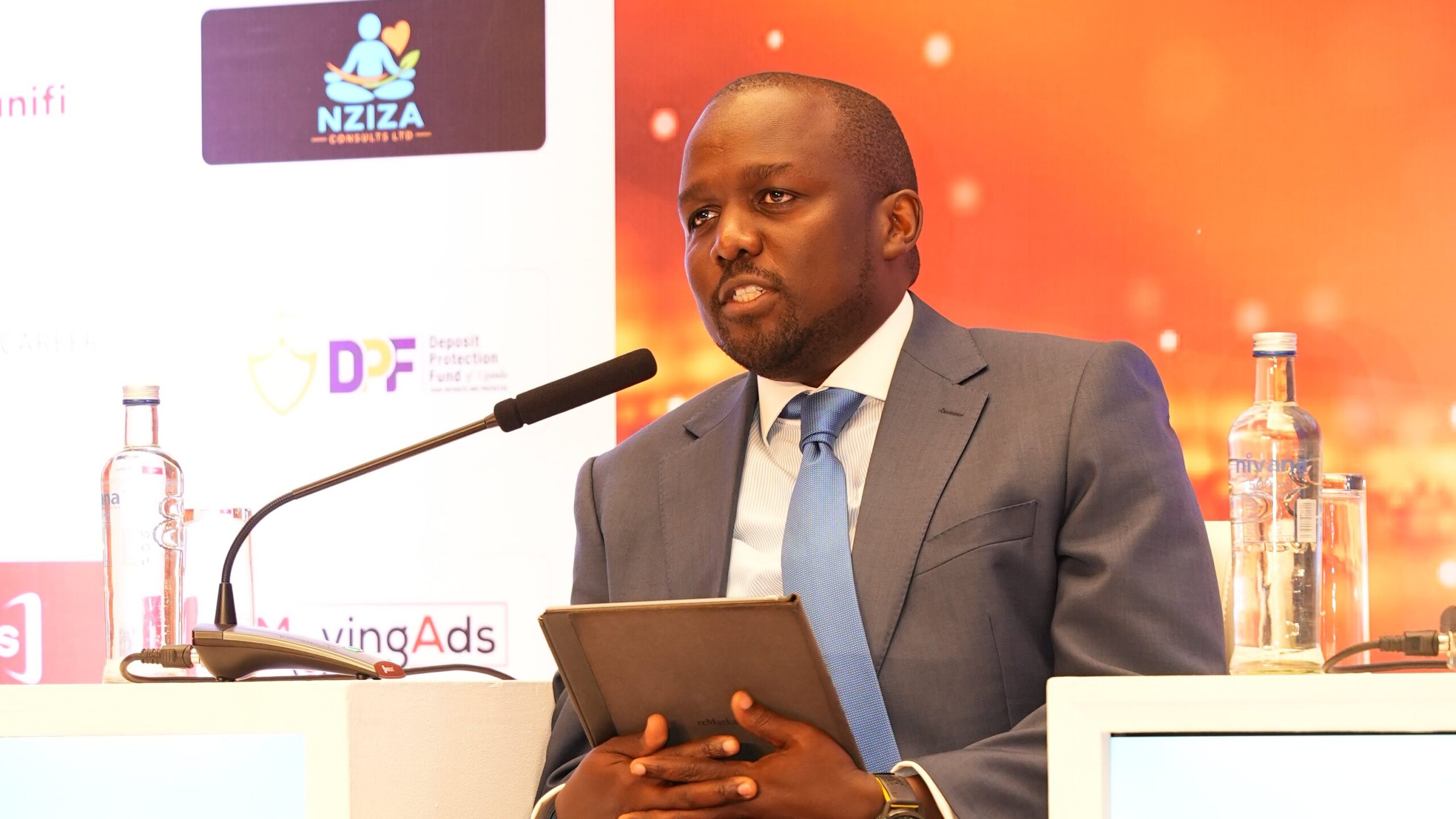
John K. Walugembe, Executive Director of the Federation of Small and Medium-sized Enterprises (FSME)
Small and Medium Enterprises (SMEs) in Uganda have been urged to embrace insurance to protect their businesses against risks, as industry players call for more tailored, affordable and accessible insurance products targeting the sector.
John K. Walugembe, Executive Director of the Federation of Small and Medium-sized Enterprises (FSME), said many micro, small and medium-sized businesses remain uninsured despite being among the most vulnerable to risks such as fire, theft, accidents, floods and other disasters that can wipe out years of investment.
Speaking at the 70th CEOs Breakfast Meeting organised under the theme “The SME Voice: Emerging Customer Expectations That Will Shape Insurance in 2027,” Walugembe said insurers need to rethink how they design, package and market their products to reach the country’s largely underserved MSME sector.
“MSMEs are often exposed to diseases that wipe out years of hard work and sweat. If MSMEs embraced insurance, they would safeguard their livelihoods and ensure business continuity,” Walugembe said.
He said the sector, which contributes more than 20% of Uganda’s Gross Domestic Product (GDP) and over 80% of manufacturing output, remains critical to economic growth, employment and poverty reduction, particularly among women and young people.
Walugembe said about 90% of Uganda’s MSMEs are micro-businesses, with 71% of the federation’s membership falling in that category, while women account for approximately 60% of MSMEs.
He argued that insurers must develop products that reflect the realities of these businesses, many of which operate with limited financial resources and fewer than five employees.
“Unfortunately, MSMEs in Uganda are generally underinsured or have no insurance at all. And this is because they suffer from lack of knowledge on how insurance works or what risks they should seek insurance coverage for,” he said.

Walugembe cited a study conducted by the Insurance Regulatory Authority (IRA) in 2021 which found that 57% of surveyed MSMEs had limited knowledge of insurance, while 96% were not insured.
He said the low uptake is partly driven by financial constraints, ignorance, negative perceptions of insurance and products that do not adequately respond to the needs of small businesses.
Walugembe challenged insurers to invest in research to understand the specific risks faced by different categories of businesses, including carpenters, traders, salons and other small enterprises, instead of relying on standardised products.
“There’s a bit of work on the demand side, but there’s a bit of work also on the supply side. … A lot of standardised things. What addition do you make to the sector? Carpenters, what is their pain point? You know, we need to do more research to find out what are the pain points that different sectors have and what solutions can come up with,” he said.
He also urged insurers to adopt locally relevant approaches rather than simply importing insurance models developed in Western markets, saying products must be adapted to Uganda’s business environment and customer needs.
“We like to pick models from western countries and just roll them out. Yes, you are an international company, but you do some thinking. Tell your bosses that at this stage, in Uganda, it will not work. You give us some leeway to come up with something that we think works for the local market,” Walugembe said.
He proposed stronger partnerships between insurers, banks, fintech companies and SME associations to improve distribution and reach businesses that may otherwise remain outside the insurance market.
Walugembe further called for increased sensitisation and awareness campaigns, warning that some insurance marketing approaches alienate small business owners who may perceive agents as elitist or intimidating.
“There’s also distrust of insurance by MSMEs. I think insurance also does a good job and we need to do more talking,” he said, adding that insurers should communicate the benefits of their products more clearly instead of relying on fear-based marketing.
He said insurance could help businesses recover faster after shocks, reduce dependence on government compensation and enable entrepreneurs to take investment risks, access financing and sustain productivity.
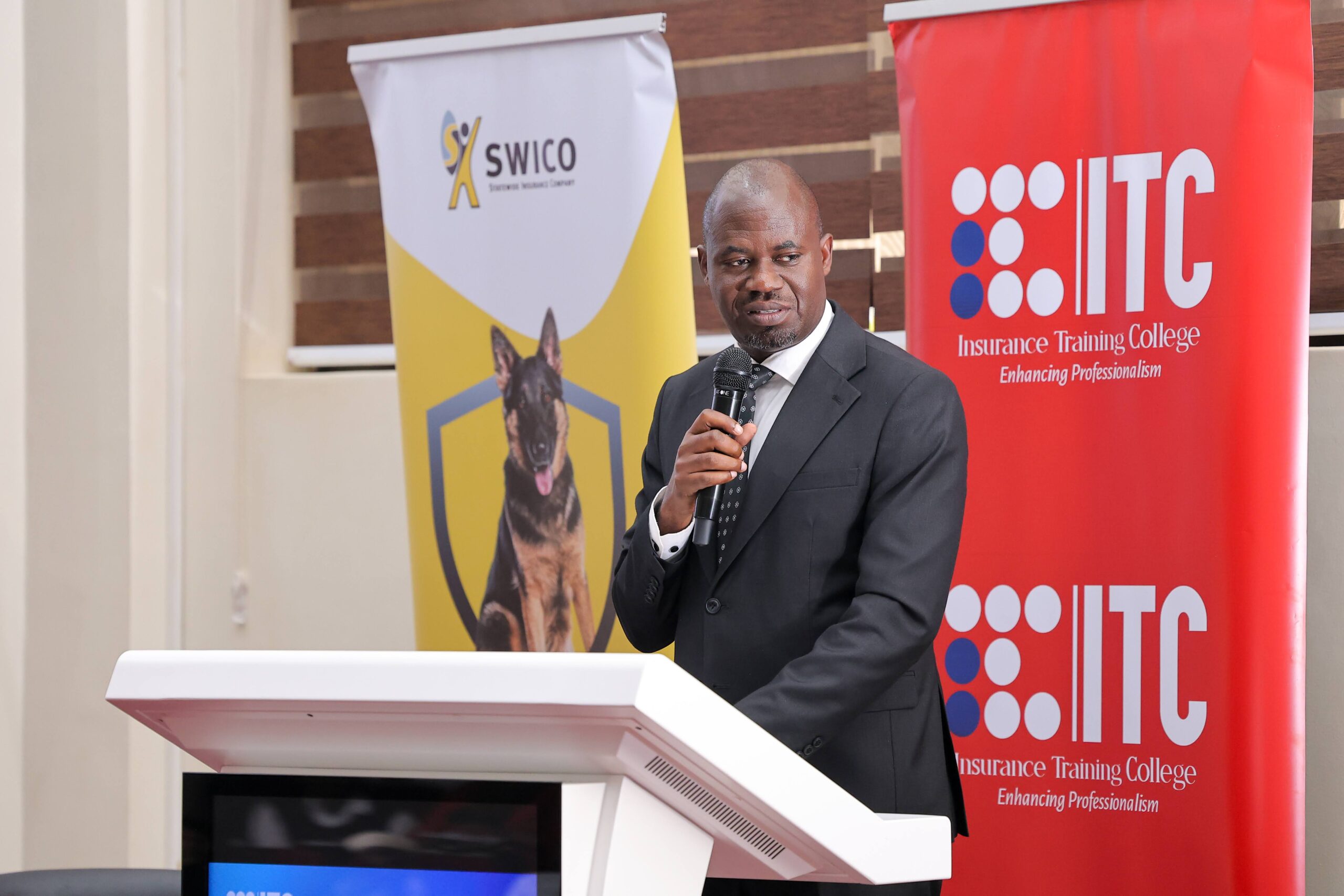
Meanwhile, Protazio Sande, the Acting Chief Executive Officer of the Insurance Regulatory Authority, acknowledged that insurers have not adequately penetrated the MSME market, despite the segment’s central role in Uganda’s economy.
 Protazio Sande, the Acting Chief Executive Officer of the Insurance Regulatory Authority
Sande said insurance companies have largely concentrated on medium-sized and large enterprises, leaving a substantial portion of the business community underserved.
“Why we chose this segment is because we are not playing very well in that space. I think many of us are focusing on medium and big enterprises. But yet statistics show that the significant part of our economy is predominant to the SME,” Sande said.
He urged insurers to consider affordable, small-ticket products that can reach a large number of micro-businesses, arguing that the sector could achieve significant growth by targeting the mass market.
“If it’s micro, employing no five people, adding within the range of ten million should expire, and you want them to allocate part of that to insurance, we must appeal to them. So we are talking about small-ticket products. Small money but with numbers,” he said.
Sande also proposed that the federation establish a dedicated insurance pillar in its strategic plan to promote insurance uptake among members.
He suggested that the federation organise MSMEs into business clusters to negotiate group insurance policies with providers, allowing businesses to access more relevant and affordable cover.
“How about clustering your members into specific clusters and you support them in negotiating group policies? I’m thinking about issues of affordability but also issues of relevance,” Sande said.
He said insurers could develop policies suited to particular business categories, including boutiques, salons and other enterprises, through engagements with organised groups.
Sande further called on Walugembe to become an ambassador for the insurance sector by helping counter longstanding negative perceptions and communicating the industry’s progress in claims settlement.
“We can only win statistics. We shall tell you that in a single year, in 2025, we paid close to one trillion in claims. But that information is not known,” Sande said.
He added that agricultural insurance beneficiaries received about Shs57 billion in claims, which helped cushion farmers against losses they would otherwise have suffered.
Sande said the industry had made improvements in claims processing, with some insurers settling claims within the same day after receiving the required documentation, and urged stakeholders to work together to rebuild public confidence.
The meeting comes as the insurance industry seeks to broaden penetration beyond established corporate clients and major urban centres, with the regulator calling for deliberate efforts to take insurance services to underserved businesses and communities.












Leave a Reply