


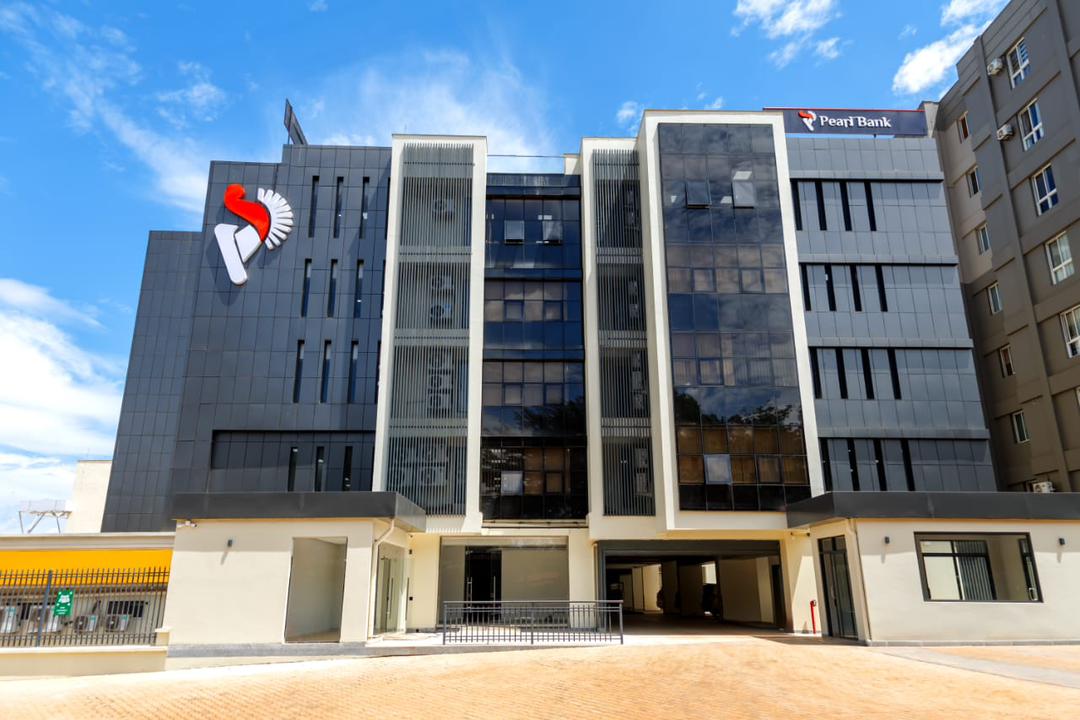
Pearl Bank Uganda has delivered a strong financial performance in its first full year following its rebrand, posting a net profit after tax of Shs47.3 billion for the year ended December 31, 2025.
This marks a 34 percent increase from the Shs35.4 billion recorded in 2024, signaling a solid start under its new identity after transitioning from PostBank Uganda.
The growth reflects rising customer confidence, expansion in digital banking, and continued alignment with Uganda’s national development priorities.
Total assets grew by 31 percent to Shs1.87 trillion, while customer deposits surged by 43 percent to Shs1.42 trillion, strengthening the bank’s capacity to lend. The loan book expanded to Shs749 billion, supported by growth in both interest income and non-funded revenue streams, pushing total income to Shs298 billion.
A major driver of this performance was the rapid adoption of the bank’s digital platform, Wendi, whose deposits increased more than fivefold to Shs240.5 billion. The platform has significantly widened access to financial services, supported by over 10,000 agents across parishes and sub-counties, and more than 15,000 SACCOs integrated into the system to support initiatives like the Parish Development Model.
Managing Director Julius Kakeeto attributed the results to the successful execution of the bank’s strategy to build a national, impact-driven financial institution. He noted that the strong growth in deposits reflects public trust, while the uptake of digital services highlights the growing role of technology in expanding financial access.
“We remain focused on staying relevant to the everyday lives of Ugandans while delivering sustainable growth,” he said.
Board Chairman Andrew Otengo Owiny described the rebrand as a turning point, positioning Pearl Bank as a modern commercial institution aligned with Uganda’s development agenda.
Government officials also welcomed the results. Finance Minister Matia Kasaija said the performance reflects broader economic progress and encouraged the bank to increase lending to productive sectors. State Minister for Finance Evelyn Anite emphasized the bank’s role as a fully Ugandan institution and urged it to expand its competitiveness beyond the domestic market.
Beyond profitability, the bank reported increased lending to key sectors of the economy. It disbursed Shs340 billion to agriculture, benefiting more than 11,000 farmers, and Shs398 billion to micro, small and medium enterprises, supporting nearly 18,000 businesses. Additionally, over 7,000 micro enterprises accessed financing aimed at strengthening grassroots economic activity.
Pearl Bank also became the first commercial bank in Uganda to attain Level 3 Sustainability Certification from the European Organisation for Sustainable Development, reinforcing its commitment to responsible banking practices.
With rising assets, growing digital adoption, and an expanding customer base, the bank is well-positioned to sustain its growth while deepening financial inclusion and increasing support to key sectors of the economy.














Leave a Reply