


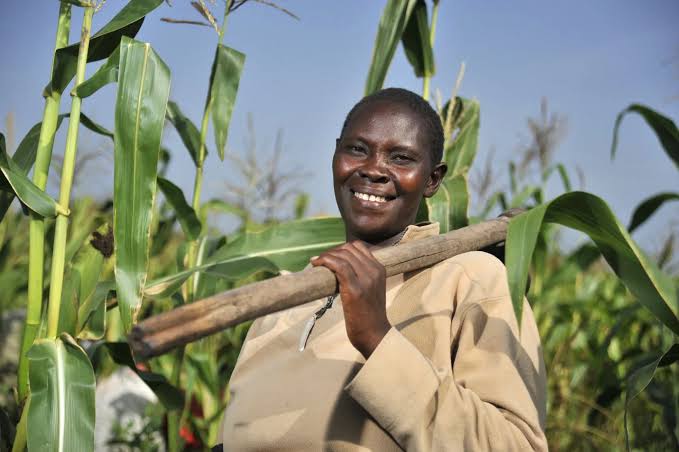
Uganda’s agricultural economy could be losing billions of shillings in potential earnings every year because farmers lack access to affordable finance, adequate storage, reliable markets and modern production systems, according to the Opposition’s five-year legislative agenda.
The Opposition in the 12th Parliament is proposing a package of reforms aimed at turning agriculture from predominantly low-value production into a more commercially viable sector, with greater emphasis on financing, post-harvest handling, mechanisation, processing and export-oriented value chains.
The proposals are contained in the Opposition Legislative Priorities for FY2026/27–FY2030/31, unveiled by Leader of the Opposition in Parliament Joel Ssenyonyi.
The agenda identifies agriculture as one of the areas where policy and regulatory reforms could unlock greater private-sector investment and increase incomes for households that depend on farming.
According to figures cited in the document from the Ministry of Finance, agriculture contributes 26.5 per cent of Uganda’s Gross Domestic Product, employs about 70 per cent of the working population and generates approximately 35 per cent of export earnings.
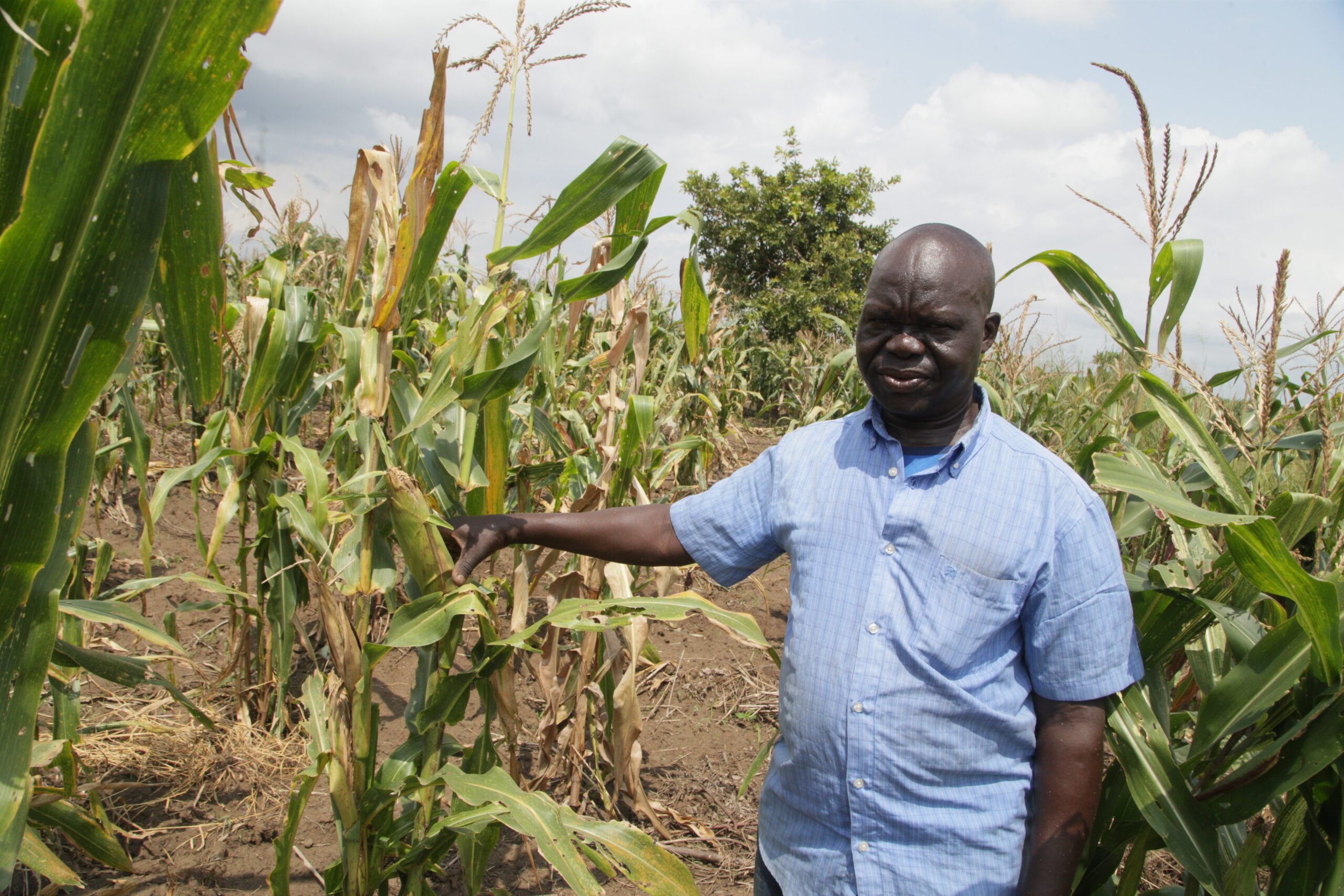
However, the Opposition argues that the sector continues to operate below its economic potential because farmers face limited access to credit, weak storage and marketing systems, low mechanisation, counterfeit inputs and underdeveloped value chains.
Ssenyonyi said the Opposition’s agenda was designed to provide practical alternatives to government policies while ensuring that parliamentary oversight translates into tangible improvements in people’s livelihoods.
“Our role as the Opposition is to provide constructive scrutiny, offer practical alternatives, and ensure that public policies and programmes genuinely improve the lives of our people,” Ssenyonyi said.
Finance seen as key to commercial farming
At the centre of the proposed reforms is an Agricultural Finance Policy and specialised agricultural lending frameworks designed to expand access to affordable credit.
The Opposition says inadequate agricultural finance prevents farmers from investing in better inputs, machinery, storage facilities, processing and other forms of value addition.
The proposed reforms could therefore create opportunities for financial institutions and other private-sector players to develop products specifically tailored to agricultural production cycles, including lending for storage, equipment and value addition.
The agenda also proposes a National Agricultural Mechanisation Policy, arguing that increased use of machinery is necessary to improve productivity and make commercial farming more competitive.
Storage losses threaten farmer earnings
The Opposition is also turning attention to what happens after crops leave the farm.
It cites a 2023 World Bank Group report estimating that Uganda loses between 22 and 30 per cent of its crop harvest after production, largely because of inadequate storage and handling systems.
The proposed National Post-Harvest Management Policy would introduce standards for storage, alongside measures involving subsidies and warehouse receipt systems.
For farmers and traders, the proposed reforms are intended to reduce losses while allowing producers to hold onto their crops for better market opportunities instead of being forced to sell immediately after harvest.
The Opposition says improved storage and warehouse systems could also strengthen farmers’ access to finance by allowing stored commodities to support credit arrangements.
Contract farming targeted for regulation
The Opposition is further seeking to formalise the relationship between farmers and buyers through a proposed Contract Farming Bill.
The Bill would establish rules governing contracts, pricing, input provision, insurance and dispute resolution.
The proposed framework could provide greater certainty for both producers and buyers, particularly in commercial value chains where farmers depend on buyers for inputs or guaranteed markets.
The Opposition says weak regulation currently leaves some farmers vulnerable to unfavourable contractual terms and disputes over prices and other obligations.
Push for stronger export value chains
The legislative agenda also targets tea and cocoa, two commodities with potential to generate greater export earnings through processing and value addition.
The Opposition proposes a National Tea and Cocoa Policy to strengthen the value chains and increase their contribution to farmers and the wider economy.
It also proposes amendments to the Agricultural Chemicals Act and Seeds Act to strengthen enforcement and traceability in the fight against counterfeit inputs.
The Opposition argues that fake or substandard agricultural inputs increase production costs while reducing farmers’ returns and productivity.
Livestock sector seeks traceability
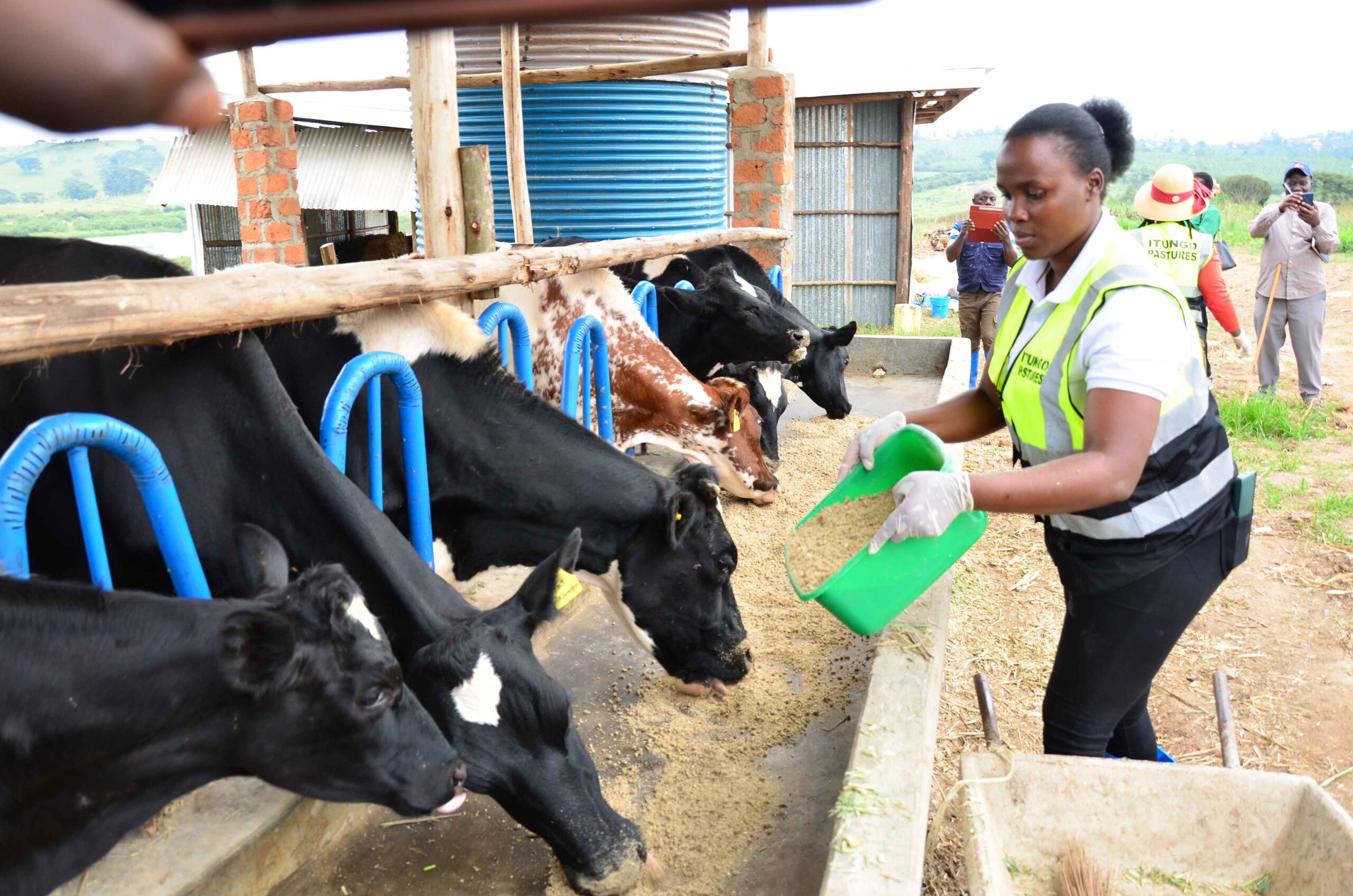
The proposed reforms extend to the livestock industry, where the Opposition wants Uganda to strengthen traceability systems to support access to regional and international markets.
It proposes amendments to the Animal Diseases Act to introduce mandatory livestock traceability, value-addition incentives and integrated disease surveillance.
A separate National Livestock Identification and Traceability Act would require registration and tagging of livestock.
The measures are intended to address concerns around disease control and the ability of Ugandan livestock producers to meet increasingly stringent export-market requirements.
The dairy industry is also targeted, with proposed amendments to the Dairy Industry Act aimed at establishing minimum pricing mechanisms and dispute-resolution procedures between farmers and processors.
Fisheries and aquaculture investment
In fisheries, the Opposition wants the legal framework governing community participation in resource management strengthened.
It proposes amendments to the Fisheries and Aquaculture Act to establish a statutory framework for community fisheries co-management, alongside a standalone Aquaculture Act covering licensing, site selection and environmental management for fish farming and cage culture.
The proposed reforms could provide greater regulatory certainty for aquaculture investors while strengthening controls over the use of fisheries resources.
The Opposition also wants stronger auditing and reporting of public funds allocated to livestock and fisheries programmes.
Business impact
Taken together, the proposals represent a shift in focus from simply increasing agricultural production to improving the business systems surrounding farming.
The Opposition says its proposed reforms are expected to reduce post-harvest losses, expand agricultural lending, increase mechanisation, strengthen value chains and boost exports of processed agricultural products.
Ssenyonyi said the Opposition would remain focused on ensuring that its proposals respond to the practical challenges facing Ugandans.
The proposed reforms will now form part of the Opposition’s legislative, budget and oversight agenda throughout the five-year parliamentary term.
For Uganda’s agricultural economy, the bigger question will be whether improved regulation and financing can translate into greater private investment, reduced losses and higher returns for farmers across the production and value chain.















Leave a Reply