


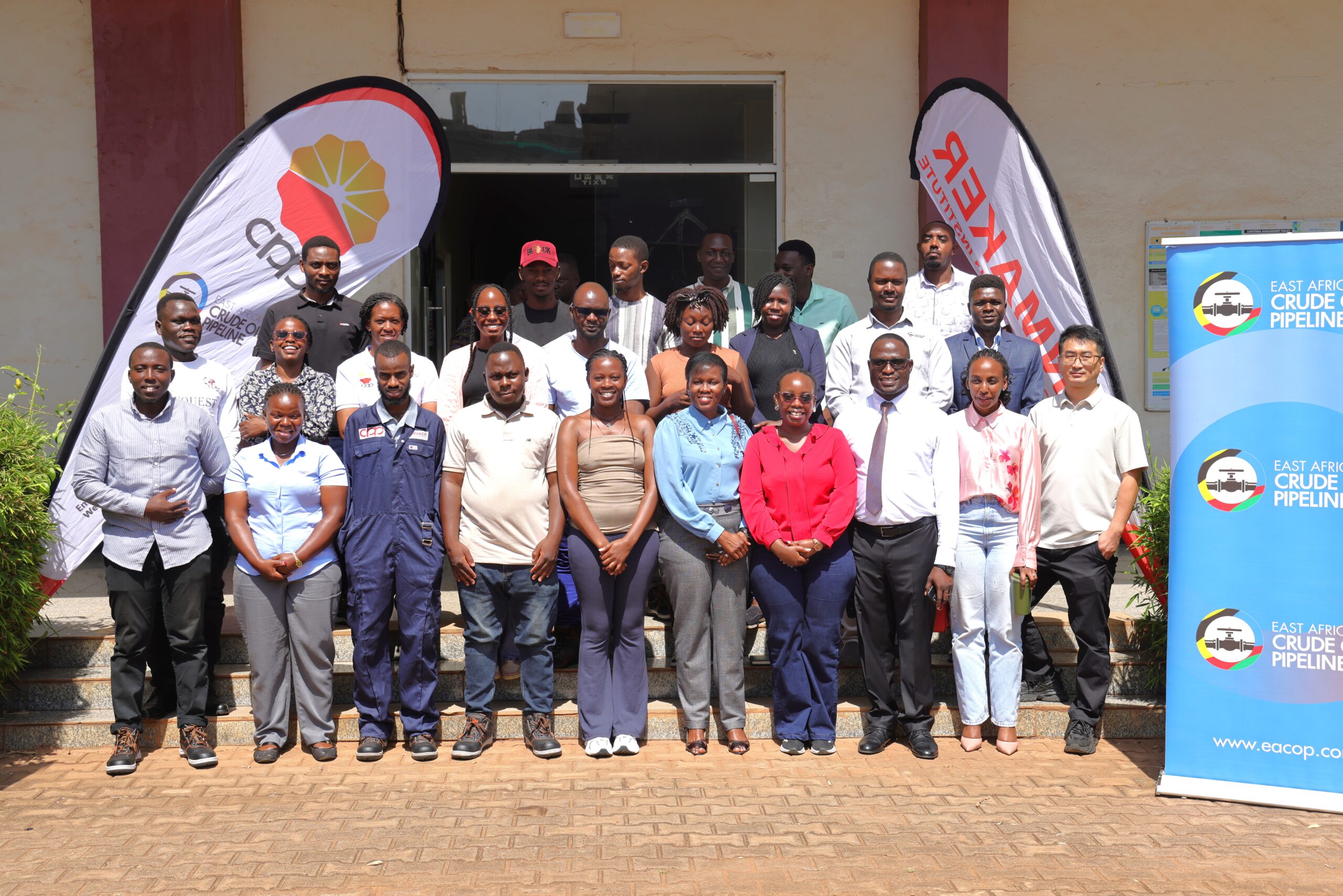
Twenty Ugandan workers on the East African Crude Oil Pipeline (EACOP) project have completed more than 360 hours of specialized training, earning internationally recognized credentials that will open doors well beyond the oil and gas sector.
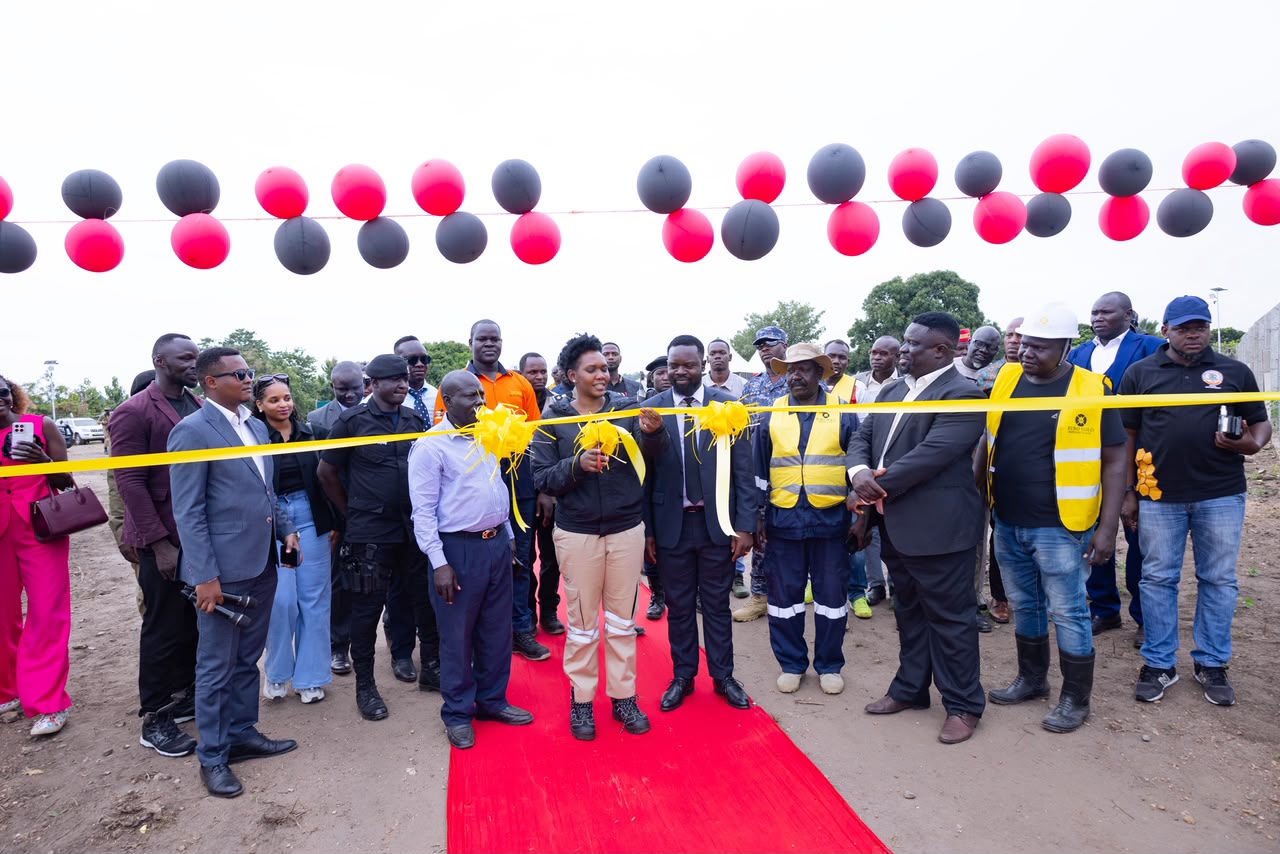
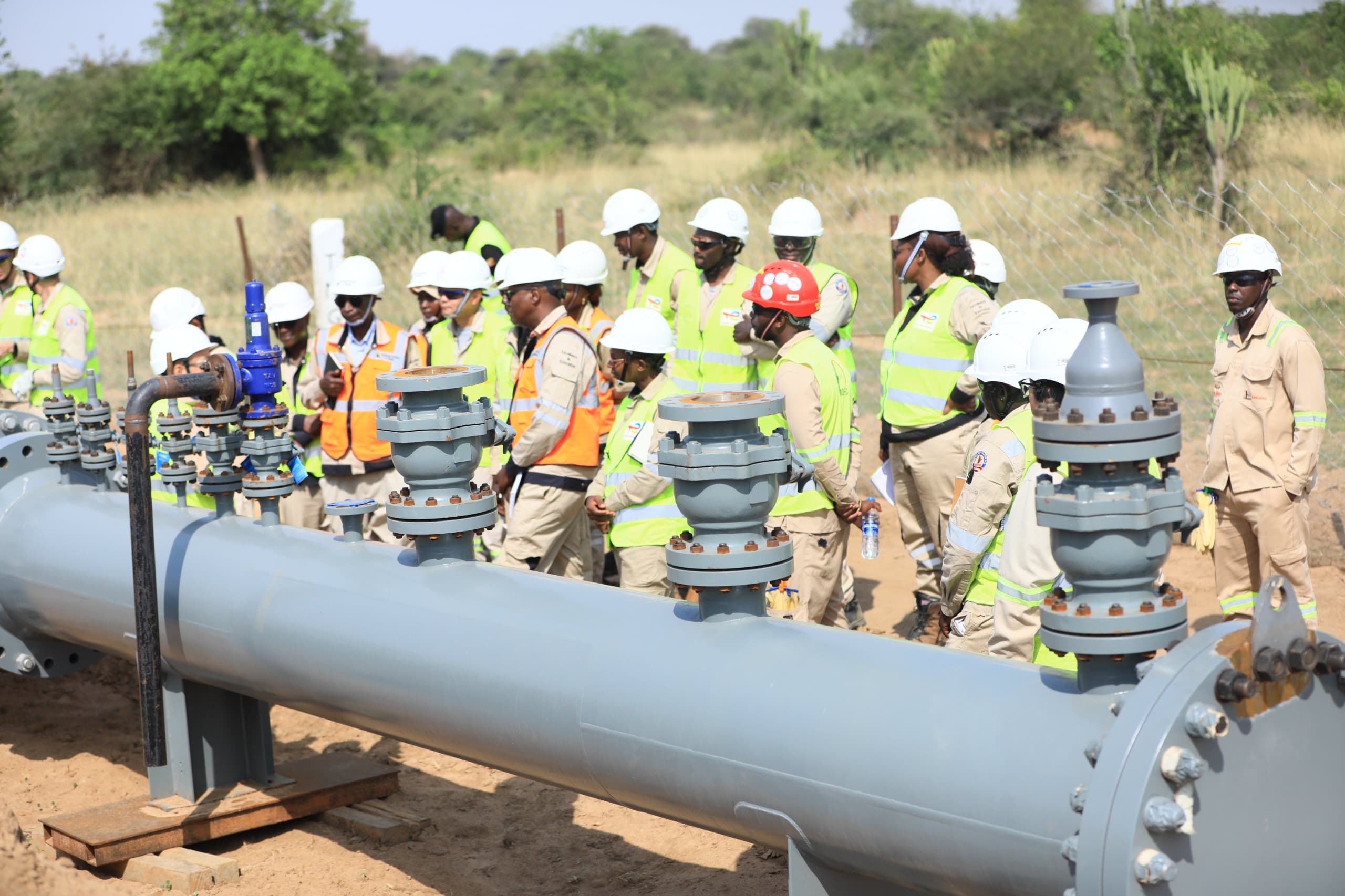
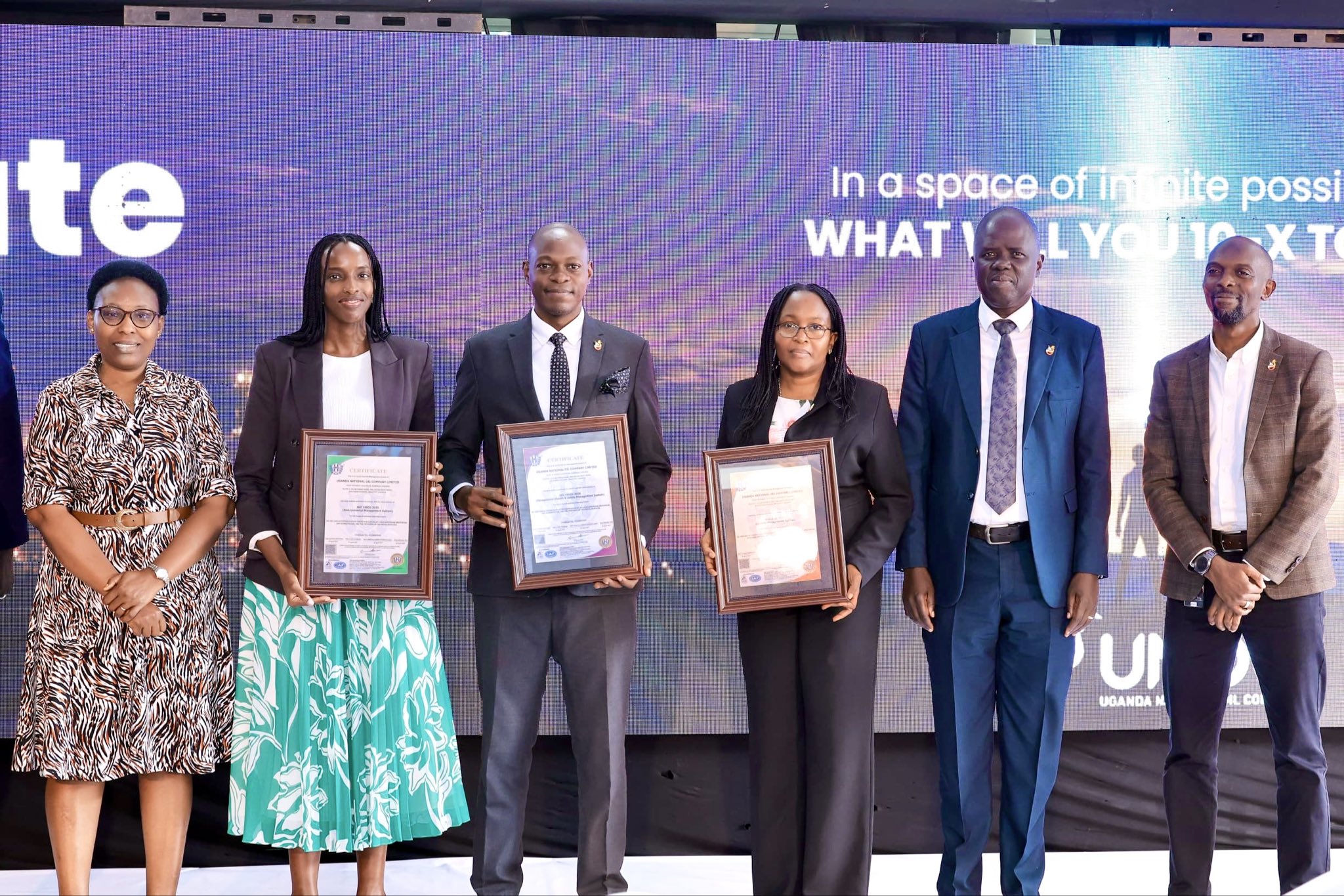
EACOP and its Tier-1 construction contractor, CPP, held a certification ceremony recently for the graduates. Ten received the NEBOSH International General Certificate in occupational health and safety, and ten completed certifications in Non-Destructive Testing (NDT), a technique used to inspect critical infrastructure such as pipelines without damaging them.
The participants included CPP’s own staff and employees of Tier-2 subcontractors such as Fulcrum and RIF Logistics. The training was delivered through Sunmaker Training Institute.
The programme is part of the national content commitments that contractors on the EACOP project owe to the Petroleum Authority of Uganda (PAU), which require them to train and upskill Ugandan staff.
“CPP, as a company, has an obligation and national content commitments to train their staff,” said Maria Nahabwe, National Content Manager for EACOP in Uganda. “They are training staff from both CPP and their contractors as well, who are now their Tier-2 contractors.”
Nahabwe explained that the obligation applies down the contractor chain. CPP reviewed its pool of staff in the relevant disciplines and enhanced their skills with certification. As licensee, EACOP monitors the commitments of its Tier-1, Tier-2 and Tier-3 contractors.
“That is our role as the National Content Team,” she said. “We work together with our contractors to make sure that they train their staff and make sure that they are developing their skill set. All these hours, over 360 hours of training, are recognized and are reported under national content commitments to the Petroleum Authority of Uganda.”
She added that the certifications give the graduates regional reach. “We are receiving inquiries from as far as Kenya and Tanzania to see what skill set, we have that they can easily utilize and take on as a region.”
Sunmaker’s Head of Business Development, Prince Dalia, said the courses were chosen to address specific gaps in the industry.
“The industry is short of qualified NDT inspectors,” he said. “And the industry is awash with so many HSE personnel who are not certified. Maybe they learned on the job, but they do not have the certifications.”
Sunmaker designs its training around a detailed needs assessment for each project, he explained, and opts for international certifications so that learners are more competitive because their standards are beyond the localized certification network.
Dalia was candid about the challenges. Learners often expect immediate employment from the companies sponsoring them, and some become disillusioned when jobs do not follow. “It’s important that we manage expectations,” he said, adding that graduates are encouraged to look beyond Sunmaker and EACOP. “If you’re NEBOSH-certified, you can work in manufacturing, you can work in construction. The opportunities are enormous. It’s just about mindset change.”
For NEBOSH graduate Bukwanza Janet Gift, the course changed how she understands her field.
“I thought health and safety is all about observing, seeing what’s wrong or what is right,” she said. “But after sitting in a class of NEBOSH, I have come to know that safety is basically a culture. It all starts from top management up to the lowest level of a worker in the workplace.”
She compared workplace safety to how children learn by imitation: “What you see your parents doing is what you might end up doing. For health and safety, it’s also a culture that we build by first of all imitating what the top management or our bosses are doing.”
She also stressed individual accountability. “It’s a personal responsibility to take care of yourself before you even look around or take care of other people,” she said, describing the experience as an eye-opener that revealed the systems behind workplace safety.
Nansubuga Shirleen, Skills Development Officer at the Petroleum Authority of Uganda, said certification of this kind is essential as the sector progresses.
“Once you’re certified, it enables us to have professionals that can compete on the international level and can do work that is recognized at the level of other international refineries,” she said. “We are moving to the operations phase, and for us to achieve our first oil, we shall need certified Ugandans supporting in some of these aspects.”
Asked how NEBOSH compares with a university degree, she said a degree from a university such as Makerere shows specialist training in a particular field, while NEBOSH is an international credential recognized worldwide. “A student who has achieved NEBOSH is recognized on the same level as that student who has gone to the University of Leeds,” she said





Leave a Reply