


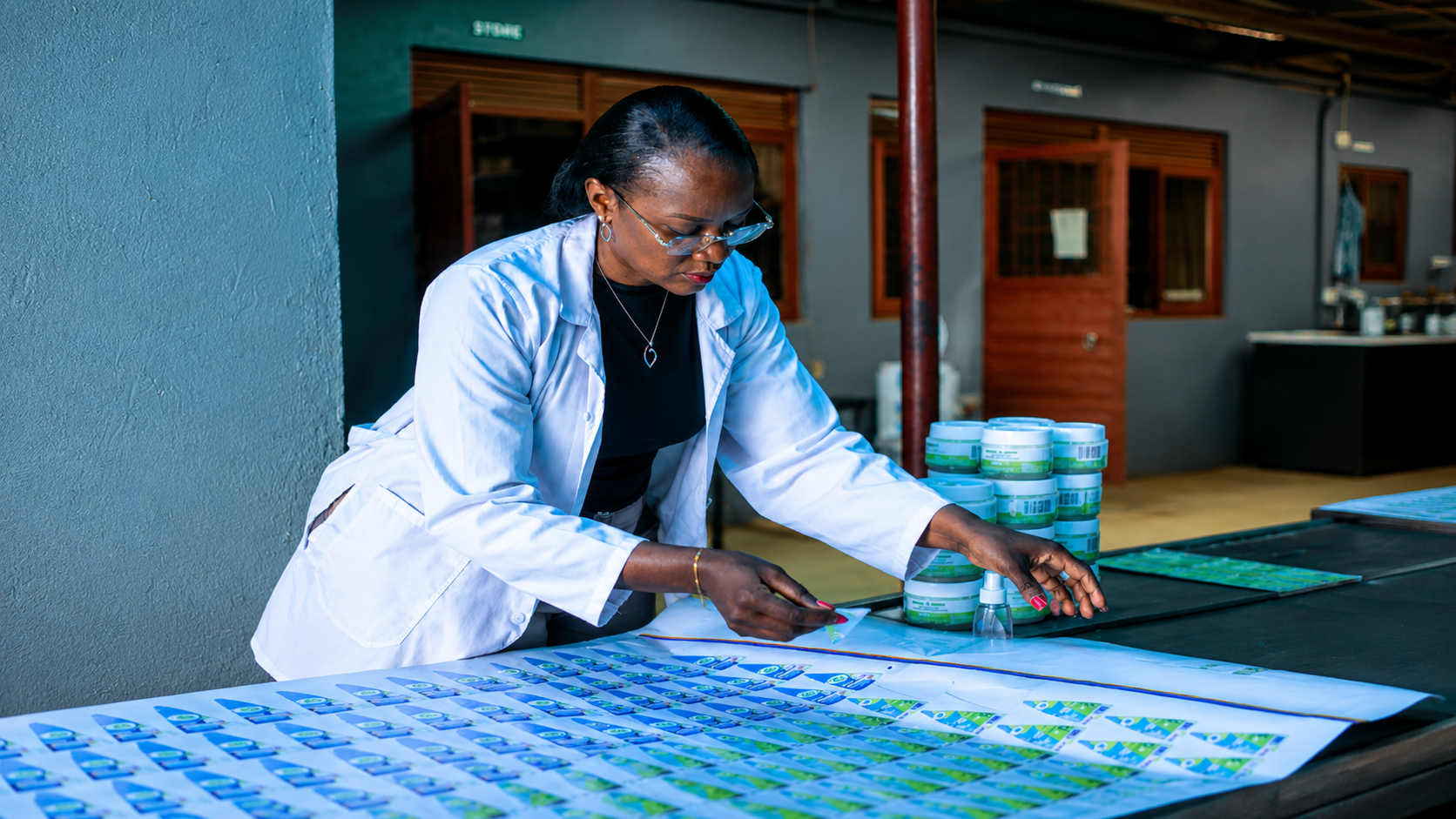
How Julia Karungi is growing a Ugandan manufacturing business with support from dfcu Bank
Uganda’s industrial growth is often discussed through investment figures, policy commitments and factory openings, but the reality of building a manufacturing business is far less visible. It happens in small production spaces where entrepreneurs juggle compliance requirements, manage scarce resources, search for markets and reinvest every available shilling back into production.
It happens in businesses that begin with simple equipment and ambitious ideas, long before they become established brands. Bubbly Inner Beauty Limited is one such business.
When Julia Karungi registered the company in 2016, she set out to manufacture hygiene products that could meet local demand while contributing to a healthier and cleaner Uganda. The business officially began operations in 2019 and entered a market where consumers already had access to products from larger manufacturers with stronger distribution networks, wider visibility and deeper resources.
Every product had to pass through regulatory approval processes before reaching customers. Production systems had to comply with industry requirements. Technical expertise had to be sourced. Retailers had to be convinced to stock a new brand. Customers had to be persuaded that a local manufacturer could deliver products of a standard comparable to established competitors. For a young business, those requirements consumed time, money and energy long before growth became visible.
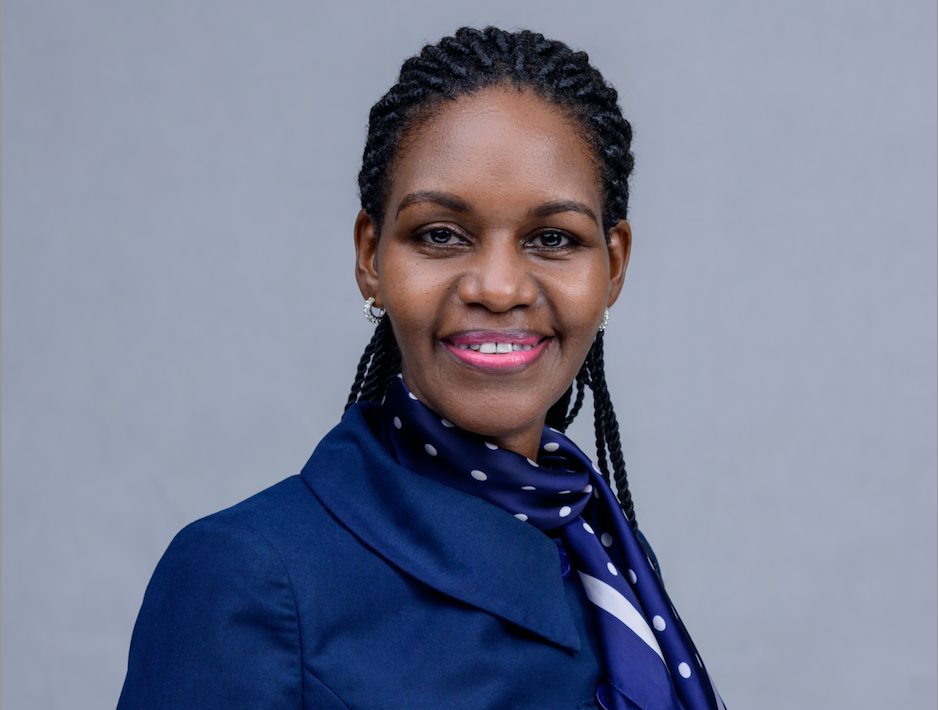
 Julia during her work
The company started with very limited resources. Products were mixed in a bucket, production was supported by a part-time chemist and a salesperson, and distribution depended largely on direct selling and personal networks.
What Julia was attempting reflects a broader challenge facing Uganda’s private sector. Micro, small and medium enterprises account for around 90% of private sector production and employ more than 2.5 million people, yet the overwhelming majority remain micro businesses. The 2024 State of Entrepreneurship findings show that 90% of enterprises employ only a handful of people, underscoring how difficult it is to move from a small operation into a business capable of producing at scale.
Women entrepreneurs face even greater barriers. Women own approximately 38% to 40% of businesses in Uganda and are active across key sectors of the economy, yet many continue to encounter challenges related to access to finance, business networks, technology adoption and structured markets. Entrepreneurship data shows that women-led enterprises lag behind in several growth indicators despite their significant contribution to economic activity.
The market for hygiene products, however, continues to present opportunities for businesses capable of meeting growing demand. Rising urbanisation, increasing health awareness, greater attention to sanitation and expanding commercial demand have all contributed to growth across the cleaning and hygiene products sector.
Participation in the MTN Advancing Women Entrepreneurs (AWE) programme introduced Julia to dfcu Bank and a wider ecosystem of women entrepreneurs focused on strengthening business capability and expanding access to opportunity.
“I wanted a bank that supports women entrepreneurs. Through dfcu, I’ve learned so much from fellow women in business, and the programme has helped me grow both personally and professionally.”
Launched in 2023, AWE was established through a partnership involving MTN Uganda, MTN Mobile Money Uganda, dfcu Bank, UN Women, American Tower Corporation, Innovation Village and NSSF Hi-Innovators. The programme was designed to increase the participation of women-owned enterprises within corporate supply chains while providing entrepreneurs with access to networks, mentorship, business development support and growth opportunities.
Through AWE, dfcu has provided participating businesses with financial and non-financial support that includes business advisory services, mentoring, enterprise development opportunities, networking platforms and financing solutions designed around the realities of women-owned enterprises seeking growth.
The relationship also connected Julia to dfcu‘s broader ecosystem of support for women entrepreneurs. Since launching its Women in Business Programme in 2007, dfcu has supported more than 80,000 women entrepreneurs and financed over 21,000 women-led businesses across Uganda. Through dfcu Rising Woman, more than 60,000 women have received direct business training and development support, while more than one million have been reached through forums, media engagement, business clinics and mentorship initiatives.
The business that Julia operates today bears little resemblance to the one that began production in a bucket. Bubbly Inner Beauty now runs a mechanised manufacturing process, employs more than ten people and has invested in delivery infrastructure that includes a dedicated vehicle and a tuk-tuk to improve customer service and strengthen market reach.
The business that began with products mixed in a bucket is now preparing for a larger chapter. Additional manufacturing equipment, wider distribution and expansion beyond Kampala sit at the centre of Julia’s plans, supported by the knowledge, networks and enterprise-development opportunities she has accessed through dfcu’s Women in Business ecosystem and the Advancing Women Entrepreneurs programme.
“The resilience, growth and willingness to keep learning from other dfcu entrepreneurs inspires me every day,” she notes.











Leave a Reply