


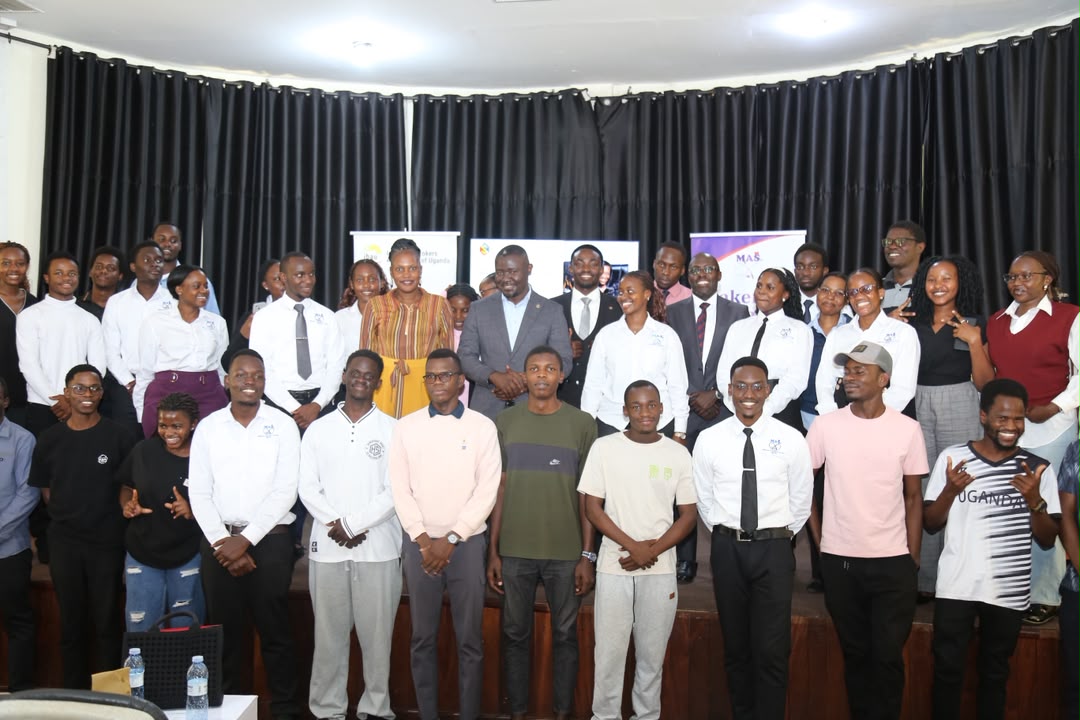
Insurance Brokers have urged actuarial students at Makerere University to go beyond academic qualifications and deliberately develop skills that will keep them relevant as artificial intelligence (AI) and other technologies reshape the industry.
The call was made during a Career Guidance Program organised by Insurance Brokers Association with Makerere Actuarial Society under the theme “Bridging Academia & Industry: Preparing the Next Generation of Insurance Professionals.”
Julius Katimbo, CEO of Turaco and a member of the Public Relations Committee IBAU, challenged students to embrace change and continuously improve their skills instead of relying solely on what they learn in class.
“The only constant thing in life is change. Change doesn’t change. If you don’t change, change will change,” Katimbo said.
He said students must prepare themselves for a workplace where technical qualifications alone may no longer be enough, urging them to develop qualities such as integrity, empathy and good communication alongside their professional skills.
Katimbo cited philosopher Heraclitus’ famous observation that one cannot step into the same river twice, arguing that both individuals and their working environments are constantly changing. “You cannot step in the same river twice. So, change is a constant,” he said.
He further warned students against ignoring AI, saying technological advancement will increasingly affect the way professional work is performed.
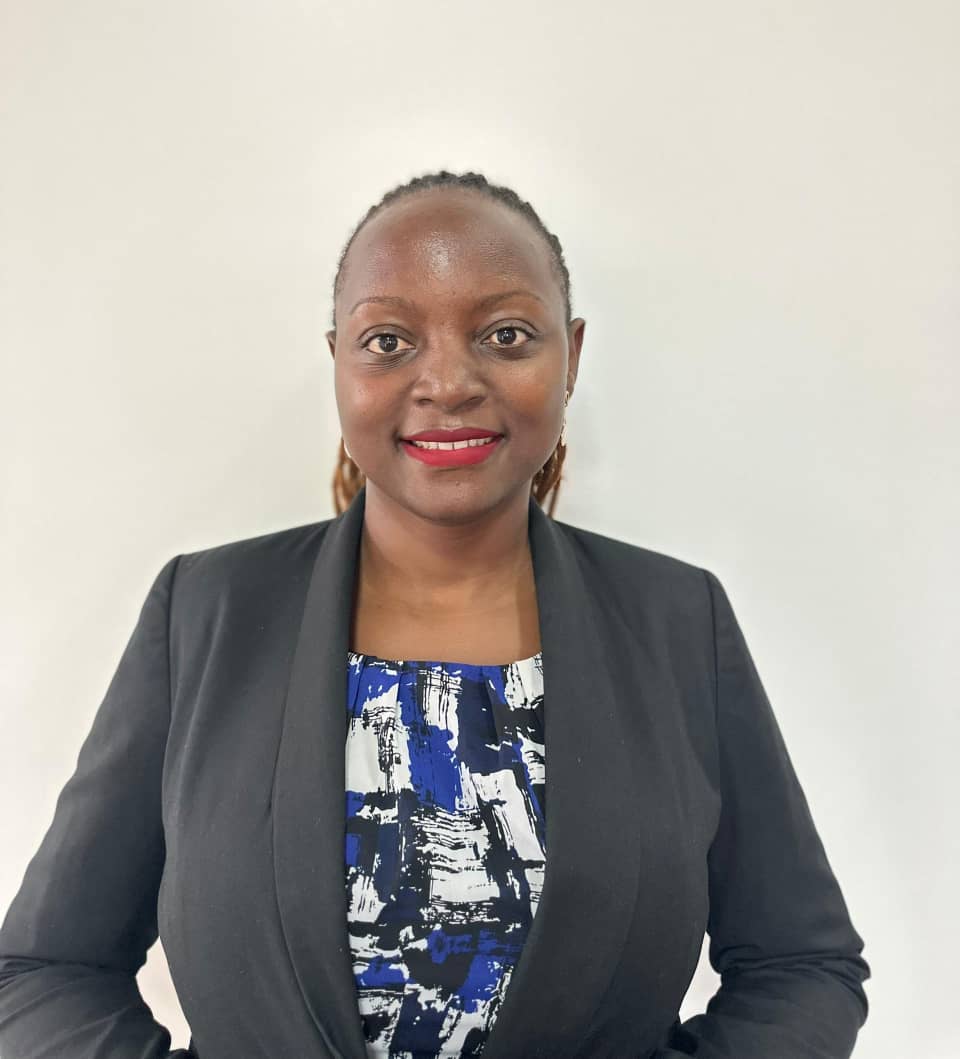
 Julius-Katimbo-CEO-of-Turaco-and-a-member-of-the-IBAU-PR
“AI has limitations, but the next 10 years AI will be doing everything you should be doing there,” Katimbo said, urging students to continuously ask themselves what they can do differently to remain relevant.
He challenged them to examine their own roles and identify tasks that could eventually be performed by machines.
“Keep asking yourself, can I machine what I’m doing? And if that answer is yes adjust your mind on what else can I do differently to remain relevant in the workplace,” he said.
According to Katimbo, the answer is not to compete with AI but to develop skills that complement technology, particularly creativity, critical thinking, innovation, empathy, leadership and problem-solving.
Ronald Batanda, CEO of Sky ReInsurance Brokers Ltd, while giving his keynote speech, similarly told the students that employers are increasingly looking for people who can solve problems and bring new ideas rather than simply possess academic qualifications.
“The books are good; they open doors for you, but ultimately we have problems to solve. That’s why we call you on board. We need solutions,” Batanda said.
He warned students against entering the workplace merely to occupy positions without producing results.
“No one is going to pay you to be a seat warmer,” he said.
Batanda encouraged students to remain open-minded about their career paths, noting that the insurance industry offers opportunities beyond traditional roles, including health insurance, product development, data analysis, research, risk management and technology-driven services.
He said the industry is increasingly embracing innovation and digital solutions, creating opportunities for young professionals who can combine insurance knowledge with technology.
“Innovation is the way we’re going,” Batanda said.
He cited emerging digital insurance solutions, including technology that can guide risk surveys, collect information and photographs and determine whether a particular risk requires further professional assessment.
Batanda said such innovations demonstrate how technology is changing traditional insurance processes and why students need to understand both the industry and the digital tools transforming it.
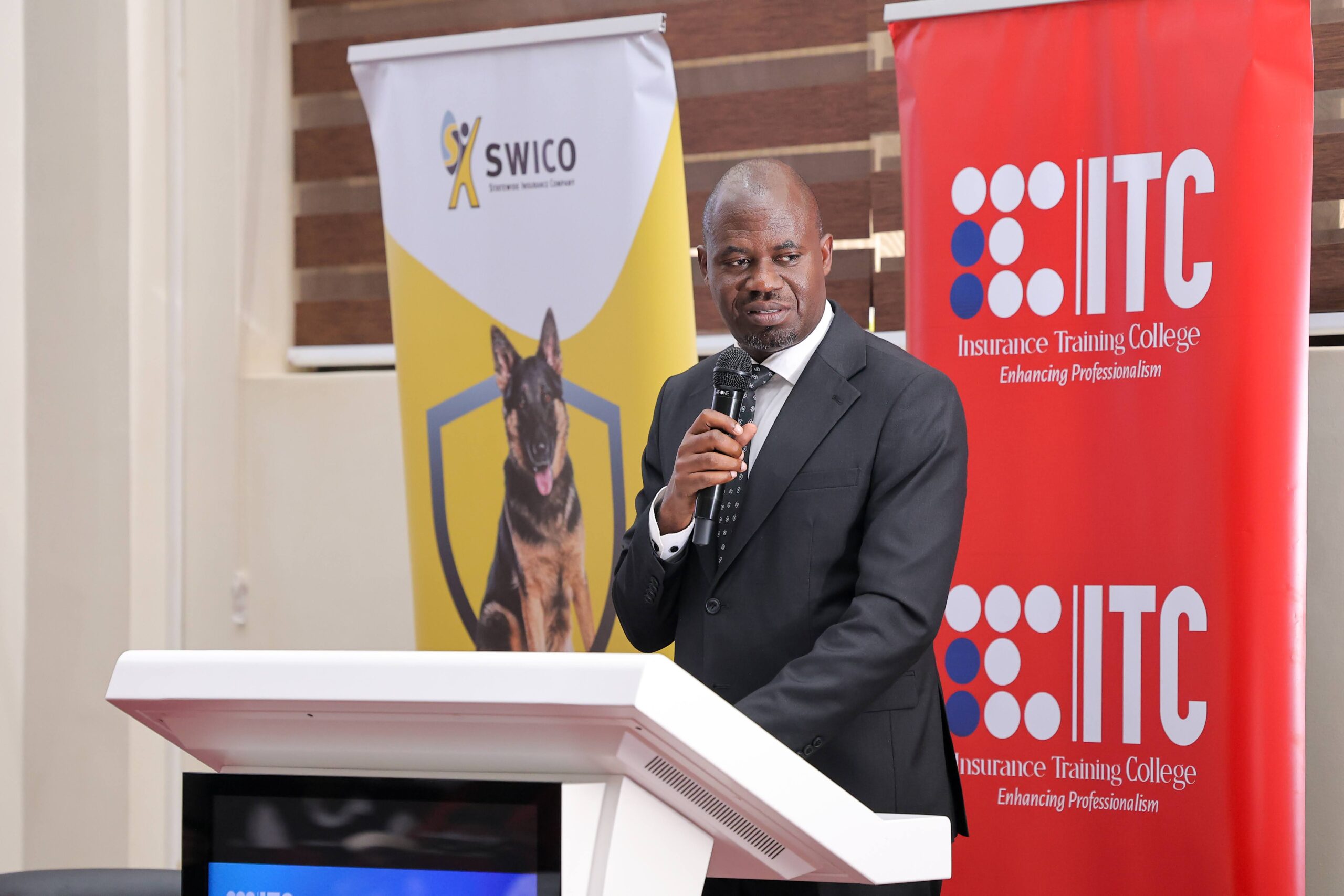
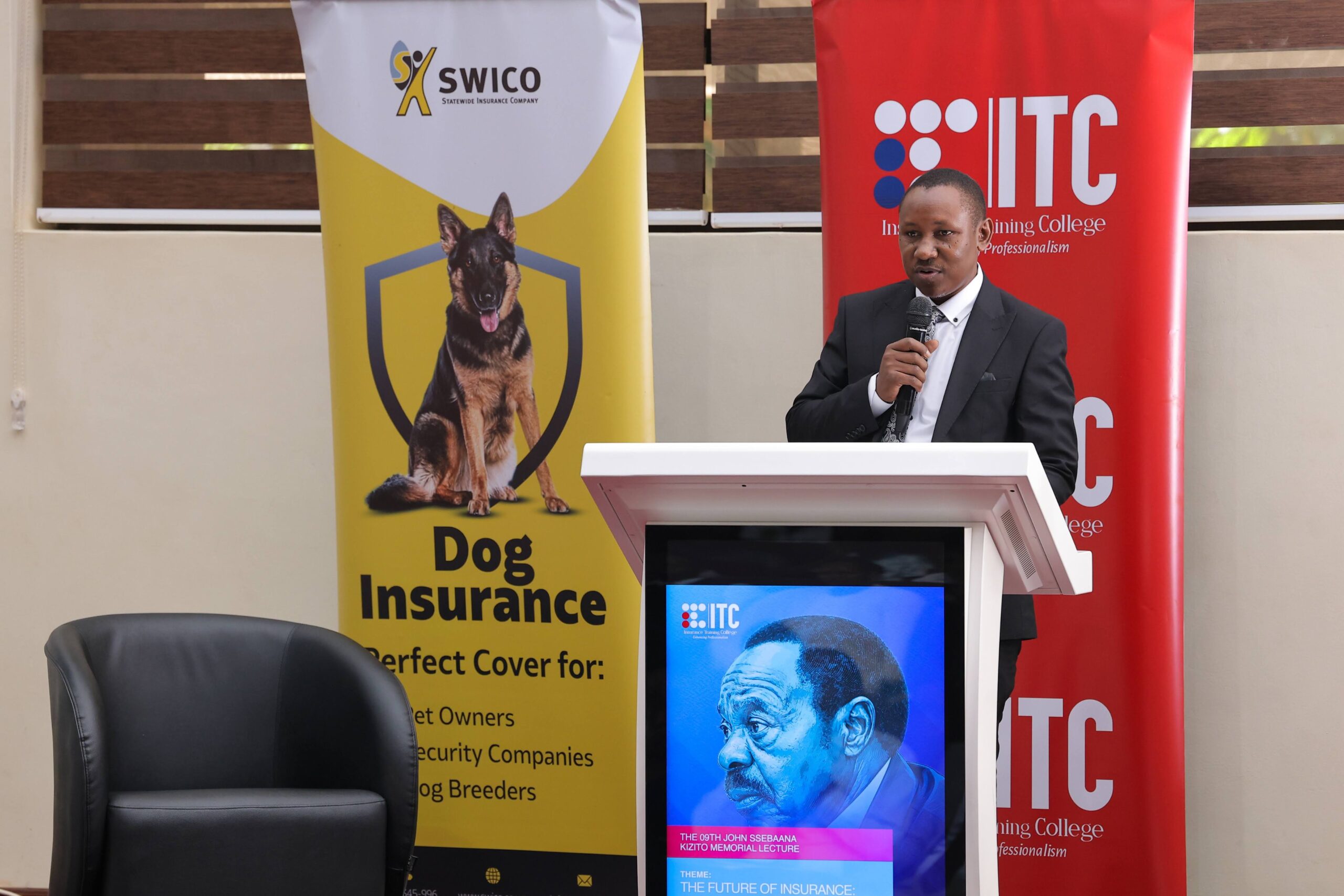
 Ronald-BatandaCEO-of-Sky-Reinsurance-Brokers.
He also warned that digital literacy remains a major gap among some graduates entering the job market.
“The issue of digital literacy is so alarming,” he said, urging students to acquire practical knowledge of tools such as Excel and PowerPoint in addition to their academic qualifications.
Christopher Sengendo, Public Relations Director of the Insurance Brokers Association, urged students to take personal initiative in acquiring knowledge about the insurance market and industry trends.
He challenged them to understand economic indicators and industry information rather than limiting themselves to classroom knowledge.
“We need to be knowledgeable. If you’re not knowledgeable, what is going to bypass you?” Sengendo asked. He encouraged students to read industry reports, attend conferences and actively seek opportunities to interact with professionals.
“If you don’t present your solution, then you won’t be seen. So take initiative,” he said.
Sengendo said students should distinguish themselves by understanding the dynamics of the insurance sector and identifying opportunities for innovation.
 IBAU-Publicity-Director-Christopher-Ssengendo
Batanda meanwhile said the industry’s growing demand for new solutions presents a major opportunity for young professionals, particularly as insurance remains largely underpenetrated in Uganda.
He urged students to move beyond identifying problems to developing and implementing practical solutions.
“All of us know the problem. Then we ask you, so what are the solutions?… Then you come to the point which is now an Africa problem for me: execution. We talk, talk, talk. We don’t deliver,” he said.
Dr Hellen Namawejje, patron of the Makerere Actuarial Society, also encouraged students to take advantage of career guidance sessions and other opportunities provided through the society.
She urged students, particularly first-years who may be questioning their choice of course, to remain patient and engage with the opportunities available to them.
“The MARS Society provides many opportunities to students, and this is one of them,” Namawejje said.
She further encouraged students to take career sessions seriously, especially when industry professionals make time to share their experiences. “When they come to really give us time, take it also as an opportunity to learn,” she said.
Experts told Actuarial students that the future of insurance will require more than academic certificates adding that those entering the industry will need to combine technical knowledge with digital literacy, innovation, creativity, human skills and the ability to use AI as a tool while remaining valuable beyond what machines can easily replicate.







Leave a Reply