



Eng. Irene Pauline Bateebe – Permanent Secretary of Ministry of Energy and Mineral Development during the press briefing
Kampala, May 23, 2026 – The Ministry of Energy and Mineral Development (MEMD), in partnership with the Uganda National Oil Company Limited (UNOC), has reassured the public that Uganda continues to maintain stable and secure petroleum product supplies despite global market disruptions linked to the ongoing conflict in the Middle East.
The recent instability, particularly disruptions affecting the Strait of Hormuz, has strained global oil supply chains, pushing international prices for crude oil, petrol, diesel, and Jet A-1 higher. East Africa, heavily reliant on imports from the Arabian Gulf, has also faced increased freight and insurance costs.
Despite these challenges, UNOC, working closely with international supply partners including Vitol, has secured petroleum products from alternative sources in West Africa, Europe, India, and the Americas, ensuring continuity of supply.
Government acknowledged a recent rise in retail pump prices, attributing the adjustments to global supply constraints, increased importation costs, regional demand pressures, and fluctuations in exchange rates. Authorities also noted temporary pressure on fuel stocks in some border areas, driven by cross-border demand due to Uganda’s previously lower pump prices compared to neighbouring countries. Supply stability has since been restored.
Uganda’s fuel market remains liberalised, with pump prices determined by Oil Marketing Companies (OMCs). The Ministry, however, continues to closely monitor the market to discourage smuggling, prevent diversion of products, and protect consumers from exploitative practices.
Looking ahead, Uganda’s fuel supply is expected to remain stable, with scheduled deliveries through May and June 2026. A shipment of 124.8 million litres of petrol arrived on May 21, 2026, and additional cargoes of petroleum products are expected over the coming weeks.
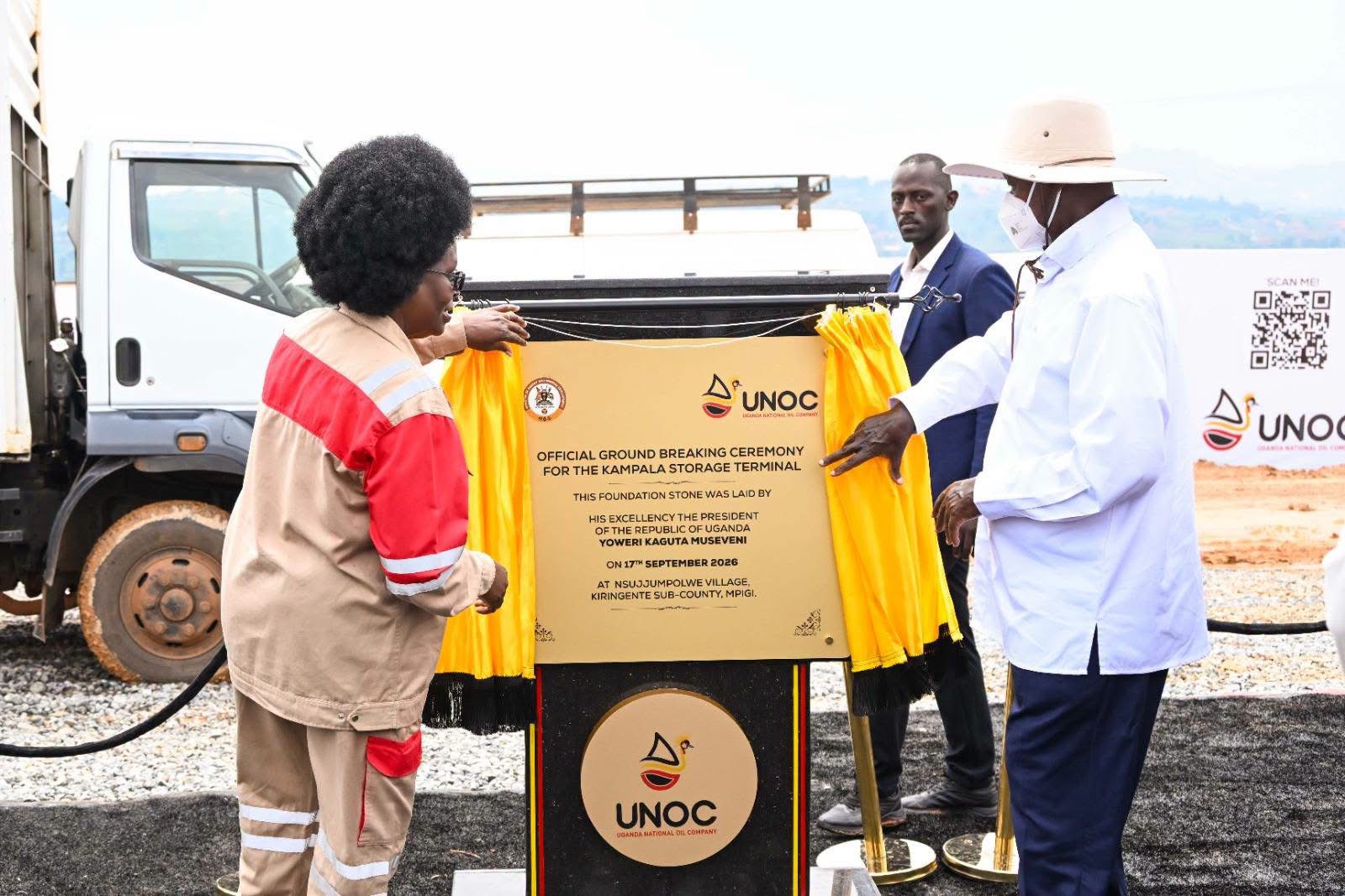
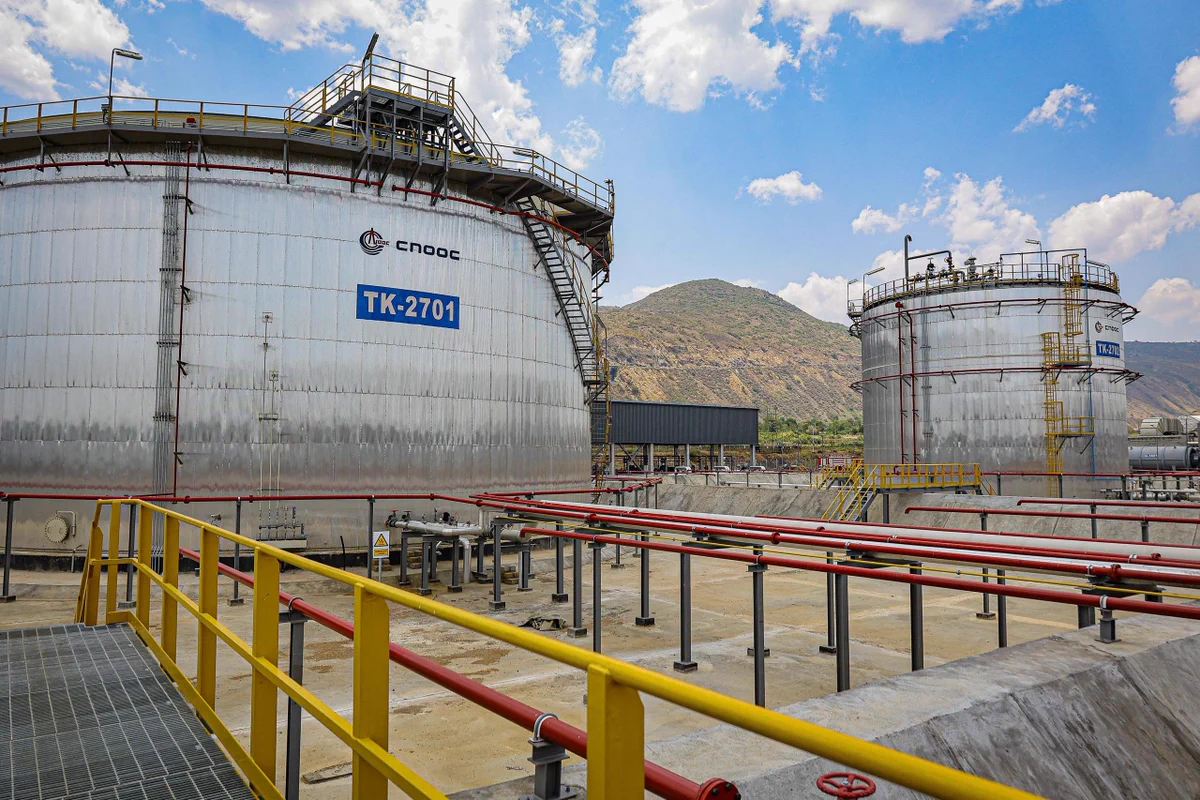
The government is also implementing long-term strategic measures to strengthen energy security, supply resilience, and petroleum infrastructure. Key initiatives include expanding the Jinja Storage Terminal from 30 million litres to 40 million litres, partnering with Lake Victoria Logistics’ Mahathi Infra Terminal (70 million litres), and developing the Kampala Storage Terminal in Namwabula, Mpigi District, with a planned capacity of 320 million litres.
In addition, progress continues on the $4 billion Uganda Refinery Project, a 60,000-barrels-per-day facility aimed at reducing dependence on imported refined petroleum products. Implementation agreements with Alpha MBM Investments of the United Arab Emirates have been signed to advance the project.
On the upstream front, Uganda is strengthening its petroleum resource base through ongoing exploration activities and plans to launch the Third Petroleum Exploration Licensing Round in the 2026/2027 Financial Year.
Government reiterated its commitment to energy security, responsible petroleum development, and maximising national benefits from Uganda’s natural resources, thanking citizens for their continued confidence and cooperation.











Leave a Reply