


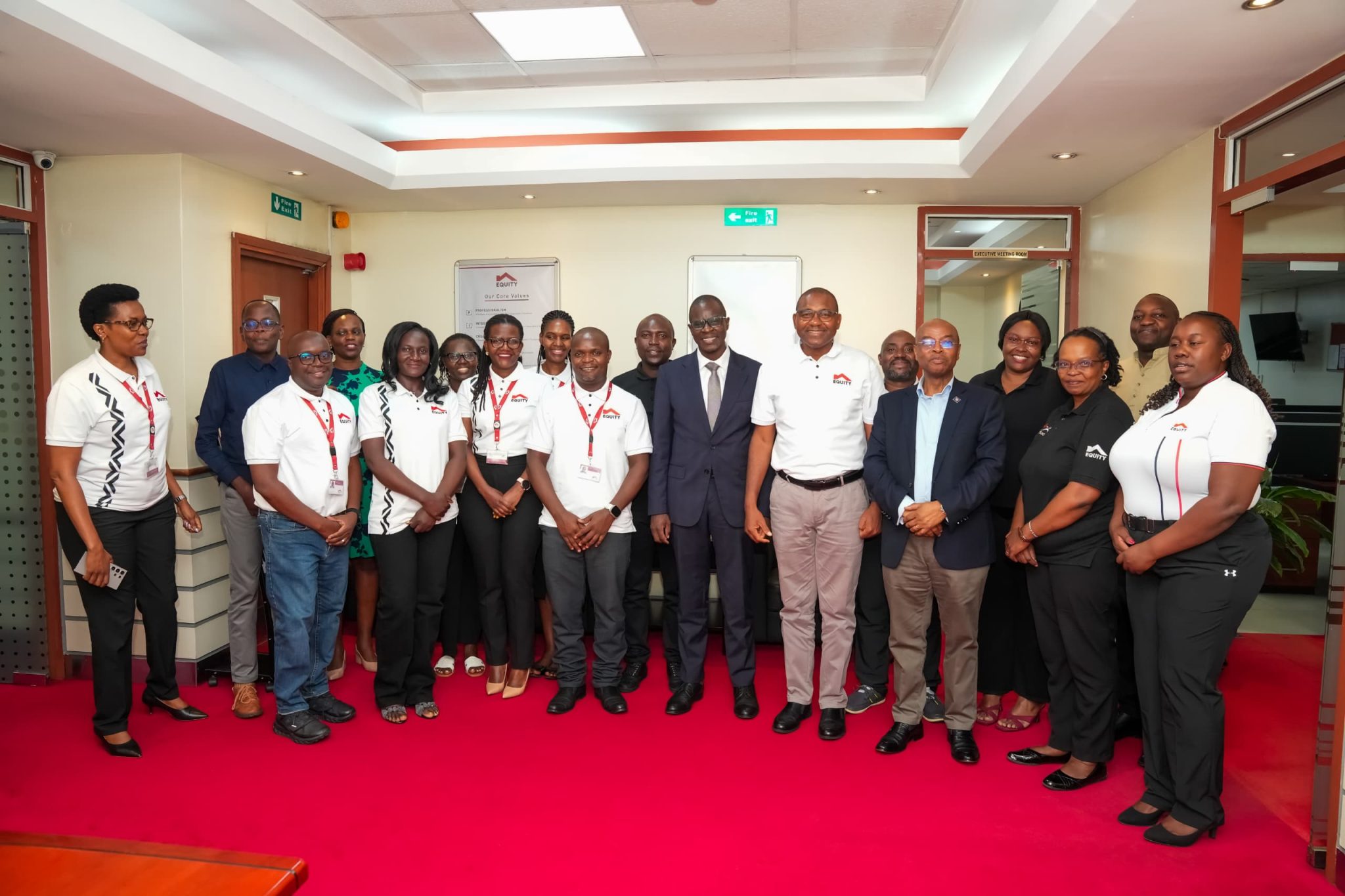
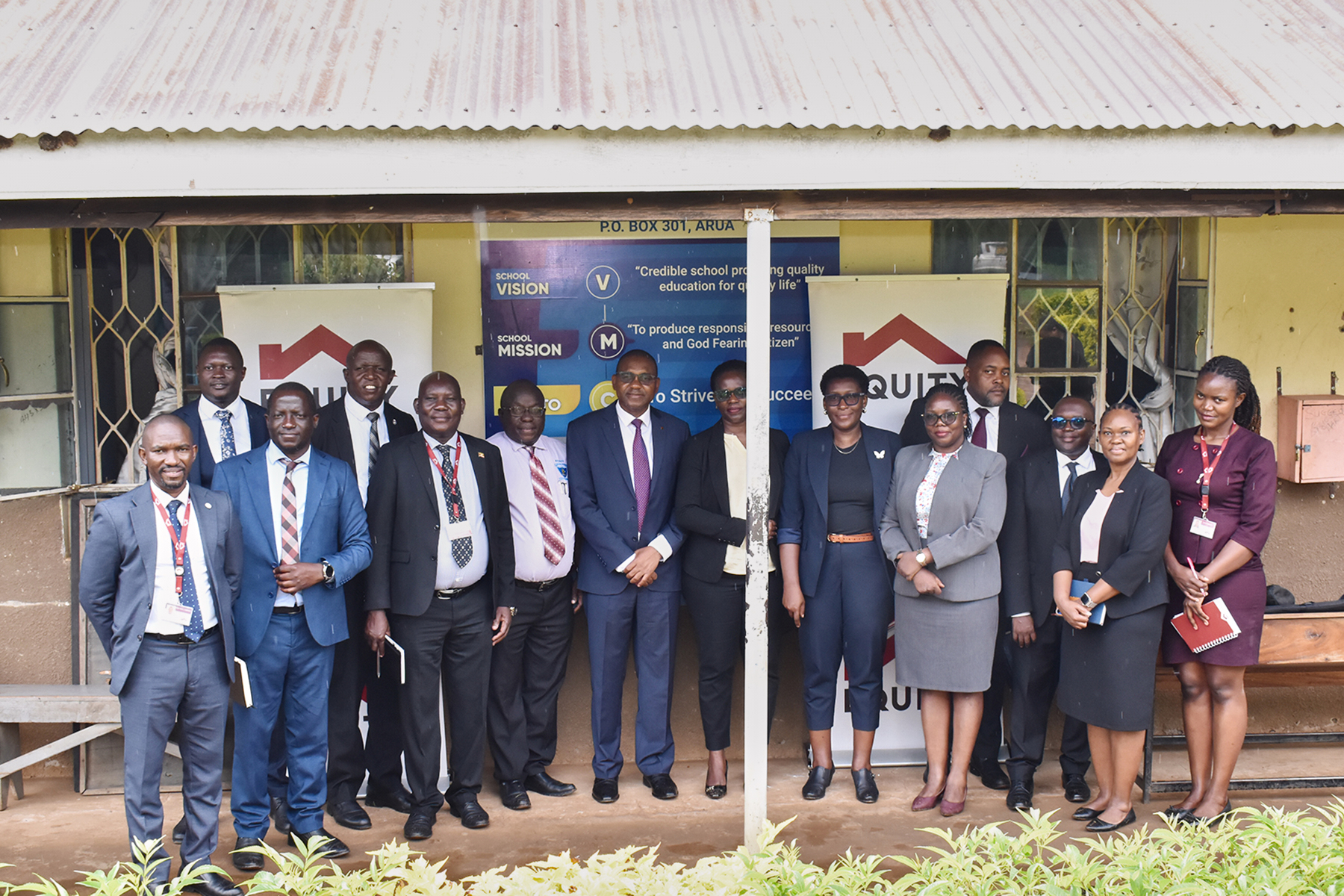
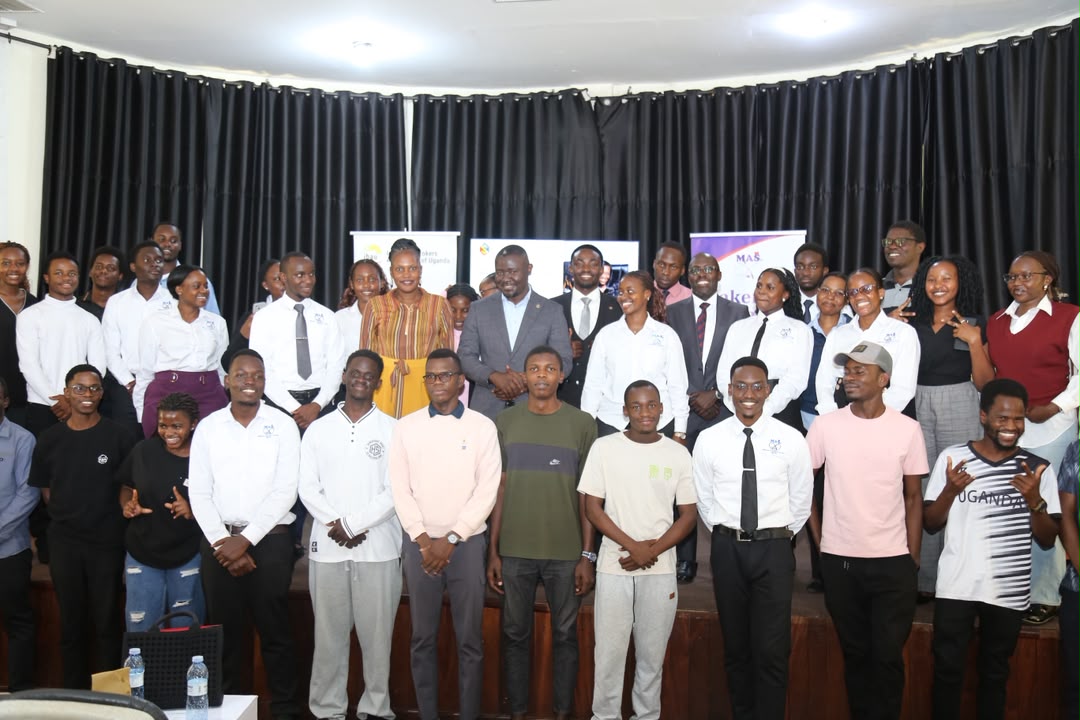
Professor-and-Staff-At-Equity-Bank-Uganda-Offices
Uganda is looking to its diaspora not only as a source of remittances but as a strategic partner in driving investment, job creation and long-term economic growth, with government officials and the financial sector urging Ugandans abroad to channel more of their savings into productive ventures back home.
The appeal was made during an Equity Bank Uganda diaspora investment webinar, where representatives from the Bank of Uganda, the Ministry of Finance, Planning and Economic Development, and Equity Bank outlined emerging investment opportunities and financial solutions designed to help Ugandans living abroad build wealth while contributing to national development.
Deputy Governor of the Bank of Uganda, Prof. Augustus Nuwagaba, said the country’s economic transformation will increasingly depend on diaspora investors directing capital into sectors capable of generating sustainable returns rather than limiting their contribution to household remittances.
He encouraged Ugandans living abroad to become ambassadors for Uganda by promoting the country as an attractive investment destination while making sound financial decisions themselves.
“I urge the diaspora to confidently promote Uganda’s potential, invest wisely and build assets that create lasting value. Personal growth, financial discipline and ownership of your own journey are the essential foundations for success,” Prof. Nuwagaba said.
He noted that Uganda’s expanding economy continues to offer attractive opportunities, particularly in real estate, where reforms by government have strengthened investor confidence through improved land administration, digital land services and more efficient property registration systems.
Beyond property, Prof. Nuwagaba identified financial technology, digital infrastructure and payment systems as fast-growing sectors that present strong opportunities as Uganda accelerates its digital transformation.
He advised diaspora investors to prioritise ventures they understand and can manage effectively from abroad instead of businesses that require constant physical supervision, saying successful investments should generate consistent returns without forcing investors to abandon their careers overseas.
Drawing on his personal experience, Prof. Nuwagaba encouraged continuous learning and professional development, arguing that acquiring new knowledge and specialised skills enables individuals to remain competitive in an evolving global economy.
He further observed that rapidly growing urban centres such as Jinja and Gulu are creating increasing demand for housing, commercial property and infrastructure, while larger diaspora investments in sectors such as energy could help lower production costs and stimulate broader economic growth.
Prof. Nuwagaba also pointed to Uganda’s progress in financial inclusion through mobile money and digital payments, emphasising the importance of channelling diaspora funds through secure and regulated financial systems.
Referring to countries such as the Philippines, he said Uganda can learn from economies that have successfully converted diaspora remittances into long-term investments that support national development.
“As the Bank of Uganda, we remain committed to supporting financial stability, digital payment innovation, investment facilitation and policies that create a more enabling environment for diaspora participation in Uganda’s economic transformation,” he said.
During the webinar, Joseph Enyimu, Commissioner at the Ministry of Finance, Planning and Economic Development, highlighted the critical role diaspora investment can play in reducing Uganda’s savings-investment gap.
He said Uganda’s stable macroeconomic environment, youthful population, expanding private sector and abundant natural resources continue to position the country as an attractive destination for long-term investment.
Enyimu outlined government’s ambition of growing Uganda into a US$500 billion economy through investments in agro-industrialisation, tourism, minerals, oil and gas, science, technology, innovation, ICT and the creative industries.
He encouraged Ugandans abroad to progressively move beyond financing household consumption and instead invest in businesses, agriculture, real estate, government securities and collective investment schemes.
Enyimu also urged diaspora communities to organise themselves into investment groups capable of accessing government incentives and participating in larger investment projects.
“As you continue supporting families through remittances, increasingly channel resources into formal investments that create wealth and grow businesses. By doing so, Ugandans in the diaspora can play a stronger role in driving Uganda’s economic transformation while building lasting personal and community wealth,” he said.
The webinar also featured a presentation by Winfred Wanjiru, Senior Manager for International Banking and Cross-Border Payments at Equity Bank Uganda, who showcased the bank’s diaspora banking solutions.
She demonstrated how customers abroad can use Equity Bank’s online banking platform and mobile application to manage accounts, transfer money internationally and send funds directly to MTN and Airtel mobile wallets, Equity Bank accounts and other local banks in Uganda.
Wanjiru added that the bank’s Visa debit cards enable customers to conveniently access their money from anywhere in the world.
The webinar formed part of Equity Bank Uganda’s broader efforts to connect Ugandans living abroad with investment opportunities and financial services that simplify saving, investing and doing business back home.
Throughout the discussions, speakers agreed that Uganda’s diaspora has the capacity to contribute far beyond remittances by investing in productive sectors, supporting enterprise development and leveraging formal financial services to build wealth while accelerating the country’s long-term economic transformation.







Leave a Reply