


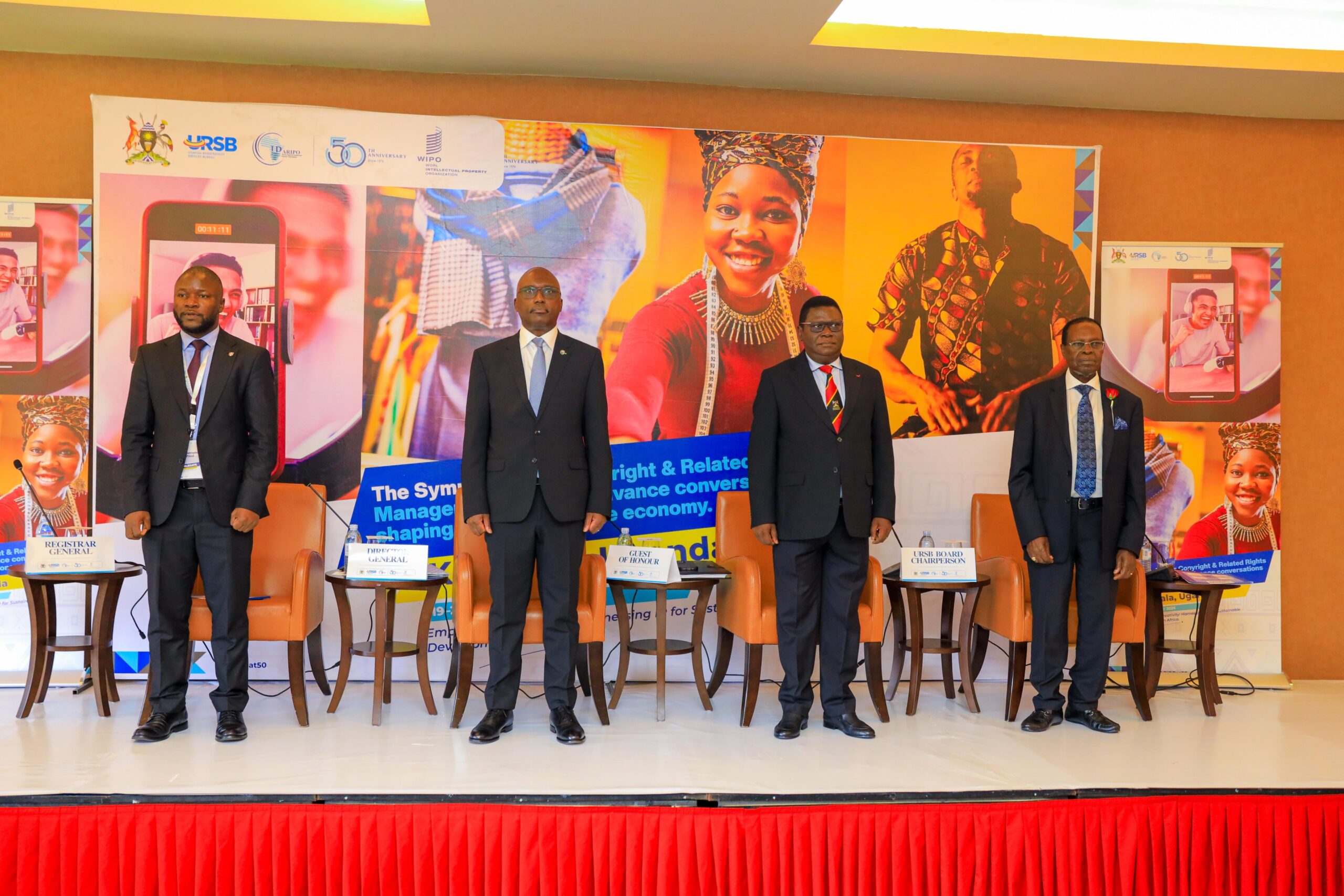
Uganda is seeking to turn its growing creative industry into a stronger source of jobs and income by improving copyright protection and helping artists and other creators earn more from their intellectual property.
The Uganda Registration Services Bureau (URSB) says stronger systems for registering, protecting and commercialising creative works are needed to ensure that musicians, filmmakers, writers, artists and other innovators benefit financially from their work.
The issue is at the centre of a three-day symposium on copyright and related rights management being held at Speke Resort Munyonyo in Kampala from October 19 to 21.
The meeting, organised by URSB in partnership with the African Regional Intellectual Property Organization (ARIPO) and the World Intellectual Property Organization (WIPO), brings together policymakers, intellectual property experts, creators, rights holders and industry players.
It is being held under the theme, “Empowering Creativity: Harnessing IP for Sustainable Development in Africa.”
Justice and Constitutional Affairs Minister Norbert Mao said copyright protection should go beyond legal recognition of ownership and translate into actual economic benefits for creators.
“Copyright protection must into tangible benefits for creators,” Mr Mao said, arguing that legal and institutional frameworks should allow artists, writers, filmmakers and other innovators to protect their work and earn from their talent.
The minister’s remarks come as Uganda’s creative sector continues to expand across music, film, publishing, fashion, visual arts and digital content, creating new opportunities for employment and entrepreneurship.
However, stakeholders say weak copyright enforcement, piracy, inadequate licensing systems and the unauthorised use of digital content continue to limit the income creators can generate from their work.
The symposium is expected to explore practical solutions to these challenges, including better royalty management, copyright administration and commercialisation of creative works.
African Regional Intellectual Property Organization director general Bemanya Twebaze said stronger cooperation among intellectual property offices was necessary to create systems that protect creative works while making it easier for creators to access markets across Africa.
He said regional collaboration could help improve copyright protection, commercialisation and opportunities for creators.
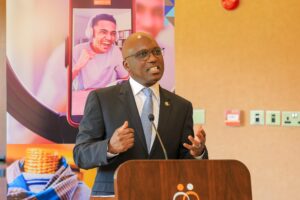 Director general Bemanya Twebaze
URSB Board chairman Francis K. Butagira said intellectual property could become an important driver of economic transformation if creative works were effectively protected and commercialised.
He said stronger intellectual property systems could help enterprises grow, attract investment and create employment while enabling African countries to derive greater economic value from their cultural and creative resources.
URSB Registrar General Mustapher Ntale said the Bureau was focusing on helping Ugandans understand intellectual property and use it as an economic asset.
“Creativity must be supported by systems that respect ownership, facilitate fair remuneration and enable creators to build sustainable livelihoods,” Mr Ntale said.
The discussions will also consider the Kampala Protocol on Voluntary Registration of Copyright and Related Rights, adopted in August 2021 under the ARIPO framework.
The protocol is intended to strengthen systems for documenting copyright ownership and related rights, an issue that becomes increasingly important as creative works are distributed through digital platforms.
For Uganda, stakeholders say better copyright management could help shift the creative sector from being viewed mainly as a cultural industry to one capable of generating investment, businesses and employment.
The three-day meeting therefore provides an opportunity for government, creators and intellectual property institutions to examine how Uganda can move from simply protecting creative works to building an industry in which creators can sustainably earn from them.








Leave a Reply