


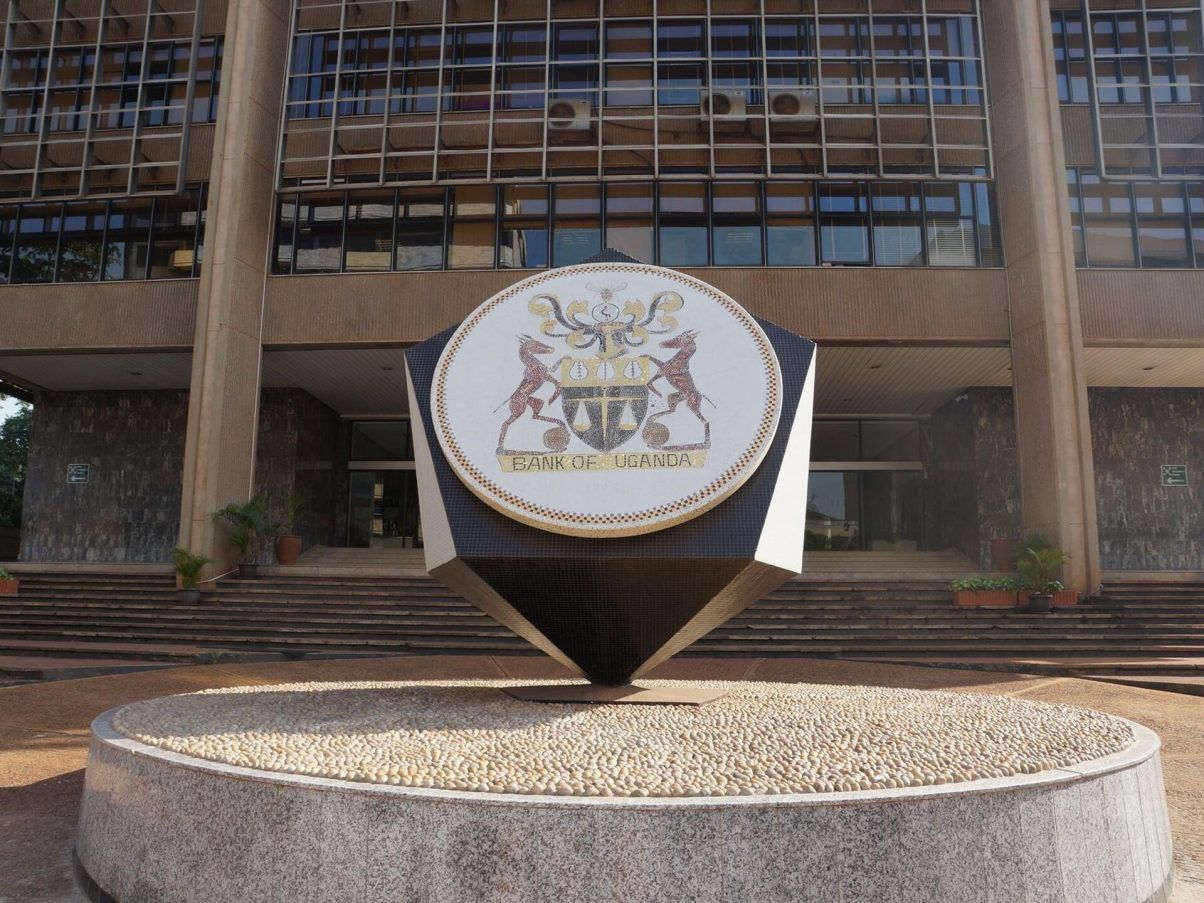
The Bank of Uganda has opted to put the brakes on borrowing and economic activity as it steps up efforts to contain a weakening shilling and prevent a fresh wave of inflation from taking hold.
The central bank on Wednesday raised its Central Bank Rate (CBR) by 225 basis points, from 9.75 per cent to 12 per cent, in its biggest recent move towards tighter monetary policy.
The decision means businesses and households are likely to face a more expensive credit environment, but Bank of Uganda argues that allowing exchange-rate and price pressures to persist could eventually prove more costly to the economy.
The move comes as the shilling faces renewed pressure against the US dollar. Reuters reported that the currency has lost about 12 per cent against the dollar this year, with demand for foreign currency rising amid higher energy costs and weaker capital inflows.
Governor Michael Atingi-Ego said the deterioration in Uganda’s external position has become significant since the central bank’s last policy meeting in August.
Uganda’s current account deficit has widened by $1.4 billion to $4.6 billion, while the goods trade deficit increased to $2.8 billion from $2.4 billion a year earlier. The services deficit also widened to $3.3 billion from $2.2 billion, partly reflecting higher freight costs.
The pressure is being amplified by higher international oil prices and disruptions to global shipping linked to the conflict in the Middle East.
For Uganda, the combination creates a difficult currency problem. Oil and other imports have to be paid for in foreign currency, meaning a weaker shilling raises their cost in Uganda. Businesses then face higher expenses for fuel, machinery, transport and other imported inputs, creating pressure that can eventually be passed on to consumers.
Inflation is already beginning to move upwards. Headline inflation increased to 4.6 per cent in September from 4.1 per cent in August, while core inflation rose to 3.7 per cent. Although headline inflation remains below the Bank of Uganda’s 5 per cent medium-term target, the central bank expects the pressure to intensify.
BoU now expects headline inflation to average between 7 per cent and 7.5 per cent over the next 12 months, while core inflation is projected at between 5.5 per cent and 6 per cent.
That outlook has forced the central bank to act before higher fuel and import costs become more deeply embedded in domestic prices.
Growth takes a hit
The cost of the intervention, however, could be weaker economic activity.
The Bank of Uganda has cut its forecast for economic growth in the 2026/27 financial year to between 6 per cent and 6.5 per cent, from an earlier projection of 7 per cent to 7.5 per cent.
The downgrade reflects tighter financial conditions, exchange-rate depreciation, higher energy costs and uncertainty in the international economy.
For companies that depend on bank financing, the higher CBR could translate into increased lending rates. Manufacturers seeking working capital, traders financing inventories and firms planning expansion may have to reconsider investment plans if the cost of borrowing rises significantly.
Households with variable-rate loans could also feel the impact through higher repayments.
The rate increase follows another tightening measure introduced last month, when BoU raised the Cash Reserve Requirement for commercial banks from 11 per cent to 13.5 per cent.
The higher reserve requirement means banks must keep more money with the central bank rather than make it available for lending.
The combined measures show that BoU is attempting to reduce liquidity in the financial system while discouraging excessive demand for credit.
Dollar pressure remains key
The Governor has also rejected attempts to attribute the shilling’s recent weakness mainly to Uganda’s Protection of Sovereignty Act.
The issue had previously attracted attention after Atingi-Ego warned Parliament in April that restrictions on cross-border financial flows could affect foreign investment, remittances and portfolio inflows.
At the time, he warned MPs that “a country without reserves is not sovereign.”
However, the latest monetary policy assessment places greater emphasis on international conditions, including high oil prices, global financial conditions and increased demand for dollars.
The Protection of Sovereignty Act was subsequently assented to on May 17 and commenced on May 22, 2026.
The central bank’s latest position therefore points to a broader set of forces behind the currency’s depreciation rather than a single domestic law.
Businesses face a difficult environment
The rate decision leaves businesses facing a three-way squeeze: expensive foreign currency, higher energy costs and potentially more expensive domestic credit.
This could be particularly significant for manufacturers and import-dependent businesses, whose operating costs rise when the shilling loses value.
The situation is also occurring as Parliament raises concerns over fuel prices. MPs recently reported petrol and diesel prices of between Shs6,800 and Shs7,000 a litre, warning that the increases were feeding into the cost of transport, food and other household expenses.
For the central bank, however, the immediate priority is to prevent these pressures from becoming a broader inflation problem.
The latest decision therefore represents a clear policy trade-off: Uganda is accepting tighter financial conditions and slower growth in the short term in an attempt to protect price and exchange-rate stability.
With BoU signalling that it remains ready to act if inflation and currency pressures persist, borrowers may have to prepare for a period in which cheap credit is unlikely to return quickly.
















Leave a Reply