


Uganda’s 10-fold growth agenda has placed fresh emphasis on the country’s ability to build a more productive, better organised and more competitive enterprise economy. Under the Government’s ATMS framework, which focuses on Agro-industrialisation, Tourism, Minerals, and Science, Technology and Innovation, the country is seeking to raise productivity, expand value addition, increase exports, create jobs and move more Ugandans into the formal money economy.
For that ambition to take root, thousands of businesses across the country will need to grow beyond informal trade, fragmented production and survival-level operations. Many entrepreneurs already have products, customers and ambition, but growth is often held back by weak records, limited financial literacy, poor governance, inconsistent access to markets, low digital adoption and difficulties meeting the requirements of formal finance.
These challenges extend well beyond any single sector of the economy.
Established in 2017 through a partnership between dfcu and Rabo Foundation, the Agribusiness Development Centre (ADC) worked with smallholder farmers to strengthen governance and build more sustainable enterprises. In late 2024, ADC became dfcu Foundation, expanding its focus beyond agriculture to include MSMEs, traders, market vendors, women entrepreneurs, youth-led businesses and family enterprises.
“We realised that enterprise development was bigger than agriculture alone,” says dfcu Foundation Executive Director Mabel Ndawula. “Communities need support across different types of businesses, whether they are farmers, traders, market vendors, women entrepreneurs, youth-led businesses or family enterprises.”
Agriculture remains central to the Foundation’s work, particularly in coffee, livestock and dairy, cereals and oilseeds. The expanded mandate recognises that the same constraints that limit farmers are also common among businesses in trade, processing, services and manufacturing. A farmer group seeking a structured buyer and a youth-led enterprise adopting digital tools may operate in different sectors, but they often require the same foundations: records, systems, markets, governance and the ability to manage finance responsibly.
In its first year, dfcu Foundation reached more than 15,000 entrepreneurs and individuals across Uganda, strengthened 677 MSMEs, facilitated approximately UGX 37.17 billion in financing and supported the opening of 834 new bank accounts. Through the Financial Expansion for Agribusiness Transformation (FEAT) program funded by dfcu and Rabo Foundation, 8,569 beneficiaries received support in financial literacy, enterprise development, governance, agronomy, climate-smart agriculture and digital skills.
The Foundation’s work connects closely to Uganda’s wider economic priorities. Agro-industrialisation, for instance, requires more than increased production. Farmers and processors need to aggregate, improve quality, understand markets, manage finances and invest in productivity. Science, Technology and Innovation also depend on enterprises that can use digital tools commercially, whether for learning, record keeping, market access, payments or customer engagement.
In Bulambuli, Joanitah Bithwa expanded her family’s maize milling business after participating in the 10X Program: Digitally Empowered Women Entrepreneurs implemented by dfcu Foundation in partnership with Outbox Uganda Limited, supported by Mastercard Foundation. Production capacity increased by 900 per cent, daily sales grew by 286 per cent and the workforce doubled. Those gains point to the kind of productivity growth Uganda’s enterprise agenda is seeking to unlock.
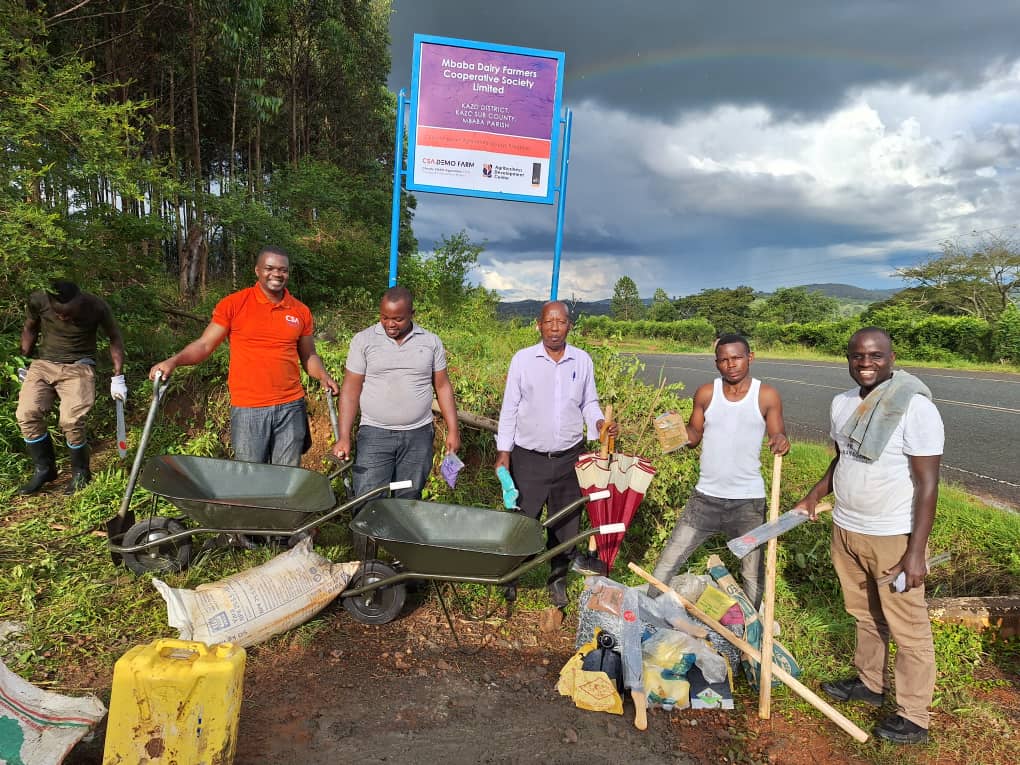
Under the FEAT program, in Buliisa District, the NOK-NOK Savings Group strengthened its governance and increased its mobilised capital by 87.5 per cent. In Kikube, a farmers’ association became a registered cooperative and expanded its membership by 44 per cent. These institutional changes often determine whether small producers remain informal or become organised enough to save, borrow, negotiate, aggregate produce and access markets collectively.
Women accounted for 60 per cent of beneficiaries reached through the Foundation’s programs, while youth represented 42 per cent. Their prominence is significant because women and young people are already shaping Uganda’s enterprise economy. Many, however, continue to face constraints linked to collateral and access to tailored business support.
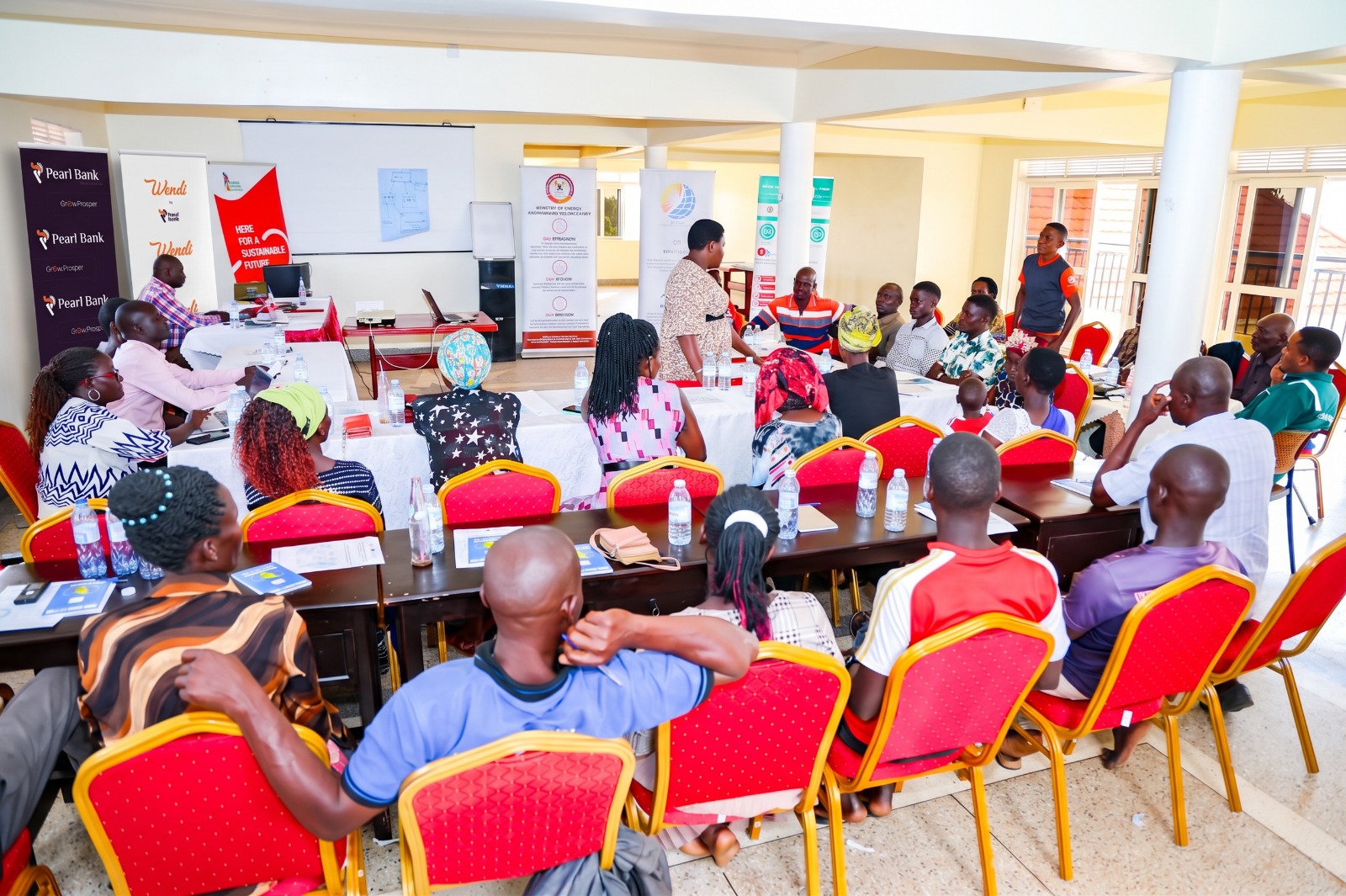
Digital capability is becoming a growing part of that support. During its first year, dfcu Foundation’s SOMA e-learning platform recorded 812 registered users, 247 course enrolments and 115 course completions across areas such as financial literacy, governance, enterprise development, climate-smart agriculture and digital skills. Through the Bean Book Digital Marketplace (a price risk management platform), 25 enterprises were onboarded and 57 coffee trading contracts were facilitated, covering approximately 4,500 metric tonnes of coffee.
Market access is particularly important in an economy where many enterprises produce but struggle to sell consistently. Ndawula says the Foundation’s role is to prepare businesses for that next level of engagement.
The Foundation is now preparing to introduce a catalytic fund in 2026 for businesses that are close to accessing commercial finance but need targeted support before making that transition. The fund will help enterprises invest in productive assets, strengthen operations, and formalise their businesses, creating a stronger pipeline of bank-ready enterprises.
“We are not replacing the role of the bank,” she says. “Our role is to prepare businesses so that they can become trusted partners for financial institutions.”
Sustainability is also part of the Foundation’s enterprise agenda. More than 62,000 indigenous fruit and tree seedlings have already been distributed to farming communities as part of a broader target to support the planting of 500,000 trees by 2029. For agricultural communities, climate resilience affects productivity, income stability and business continuity, making environmental sustainability closely linked to enterprise growth.
Uganda’s 10-fold growth ambition will ultimately be realised through enterprises that are able to grow, invest, create jobs and compete. These businesses require stronger systems, better market access, sound governance and the capacity to turn opportunity into sustained growth.
That is the work taking place every day in farmer groups, cooperatives, family businesses and MSMEs across the country, and where the promise of Uganda’s economic transformation will be won or lost.












Leave a Reply