


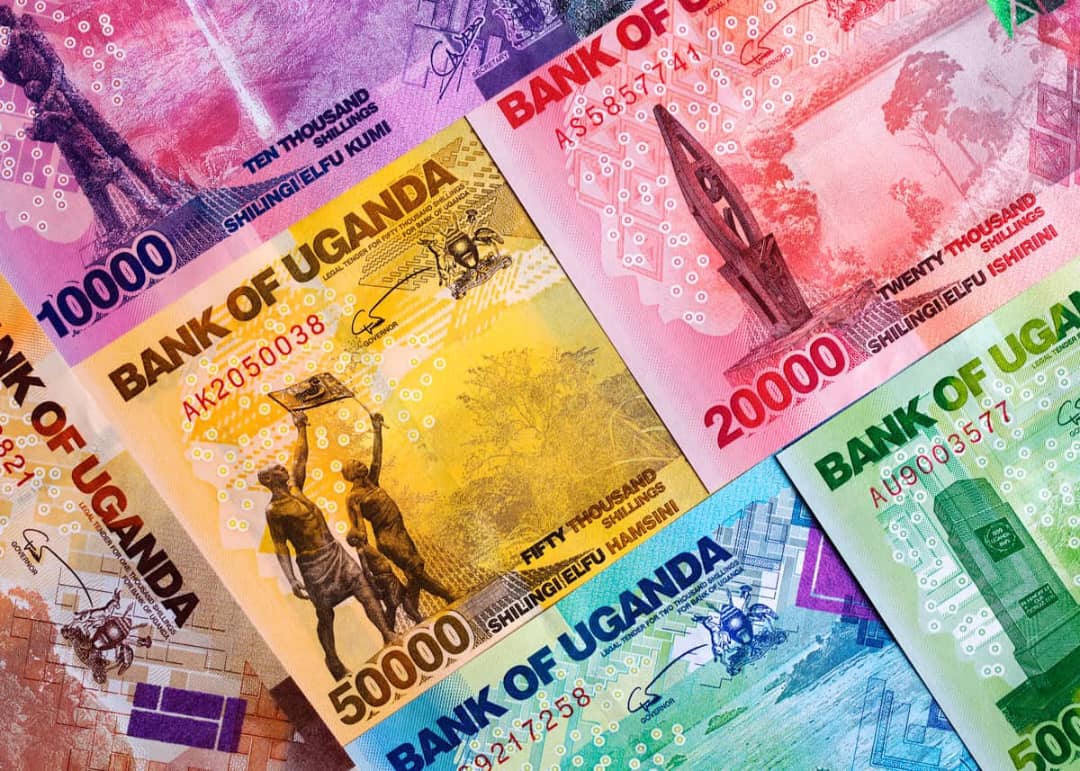
The Uganda shilling strengthened against the US dollar last week as increased foreign-currency inflows from commodity exporters, remittances and non-governmental organisations helped offset demand from corporate buyers.
The local currency was quoted at Shs3,725/3,735 to the dollar on Friday morning, improving from Shs3,745/3,755 recorded at the end of the previous week, according to Richard Nsubuga, Acting Head of Trading, CIB Markets at Absa Bank Uganda.
Nsubuga attributed the shilling’s recent performance to stronger dollar supply in the market, while easing tensions in the Middle East also improved investor sentiment.
However, the outlook remains dependent on the balance between dollar demand from corporates and incoming foreign exchange, as well as developments in global geopolitics.
“The shilling is expected to trade within the 3,650–3,820 range against the US dollar in the near term,” Nsubuga said.
Liquidity supports government securities
Conditions in Uganda’s money market remained relatively liquid during the week, with overnight and one-week rates averaging between 6.75 per cent and 10 per cent.
The Bank of Uganda withdrew Shs1.293 trillion from circulation through open market operations as it continued to manage liquidity in the financial system.
Strong liquidity also supported demand for government securities at Wednesday’s Treasury bill auction.
Yields on the 182-day and 364-day Treasury bills fell by 15 and 50 basis points respectively, reflecting increased investor appetite.
The 182-day bill cleared at 10.249 per cent, down from 10.400 per cent at the previous auction, while the 364-day paper fell to 11 per cent from 11.501 per cent.
The yield on the 91-day Treasury bill remained unchanged at 10.002 per cent.
The Ministry of Finance received bids totalling Shs381.086 billion against an advertised Shs350 billion, highlighting strong demand for government debt.
Regional currencies also firm
Uganda’s currency was not alone in gaining ground in the region.
The Kenyan shilling also strengthened, with the US dollar trading at about KSh129.35/40. Increased dollar inflows from NGOs, remittances and offshore investors supported the Kenyan currency ahead of an infrastructure bond auction.
Global markets remain sensitive to geopolitics
International markets, meanwhile, remained heavily influenced by developments in the Middle East and energy markets.
Brent crude climbed to around $83 a barrel as renewed tensions around the Strait of Hormuz raised concerns about possible disruptions to global oil supplies.
Reports of attacks around the strategic waterway added uncertainty to efforts to restore normal shipping operations.
The US Dollar Index was broadly stable at around 99.95 as investors awaited key US employment data for signals on the Federal Reserve’s next monetary policy move.
The euro traded at approximately $1.152, while the pound slipped to around $1.344.
Gold continued to trade at elevated levels above $4,250 an ounce, remaining close to a seven-week high as investors assessed global geopolitical risks and expectations around the future direction of US monetary policy.
For Uganda, analysts say the combination of domestic dollar inflows, corporate demand, global energy prices and geopolitical developments will remain key determinants of the shilling’s direction in the coming weeks.

















Leave a Reply