


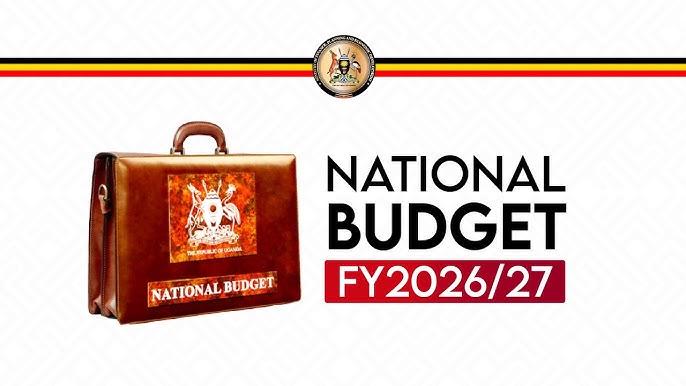
Uganda’s economy is expected to grow significantly next financial year, with government projecting a 10.2 percent expansion once commercial oil production begins.
Presenting the 2026/27 National Budget at Kololo Ceremonial Grounds on Thursday, Finance Minister Henry Musasizi said the country remains on a strong economic path despite global challenges such as trade disruptions, conflicts and uncertainty in international markets.
According to the minister, Uganda’s economy is expected to grow by 6.4 percent this financial year, slightly higher than the 6.3 percent recorded in the previous year. By June 2026, the country’s economy is projected to be worth about Shs250.4 trillion.
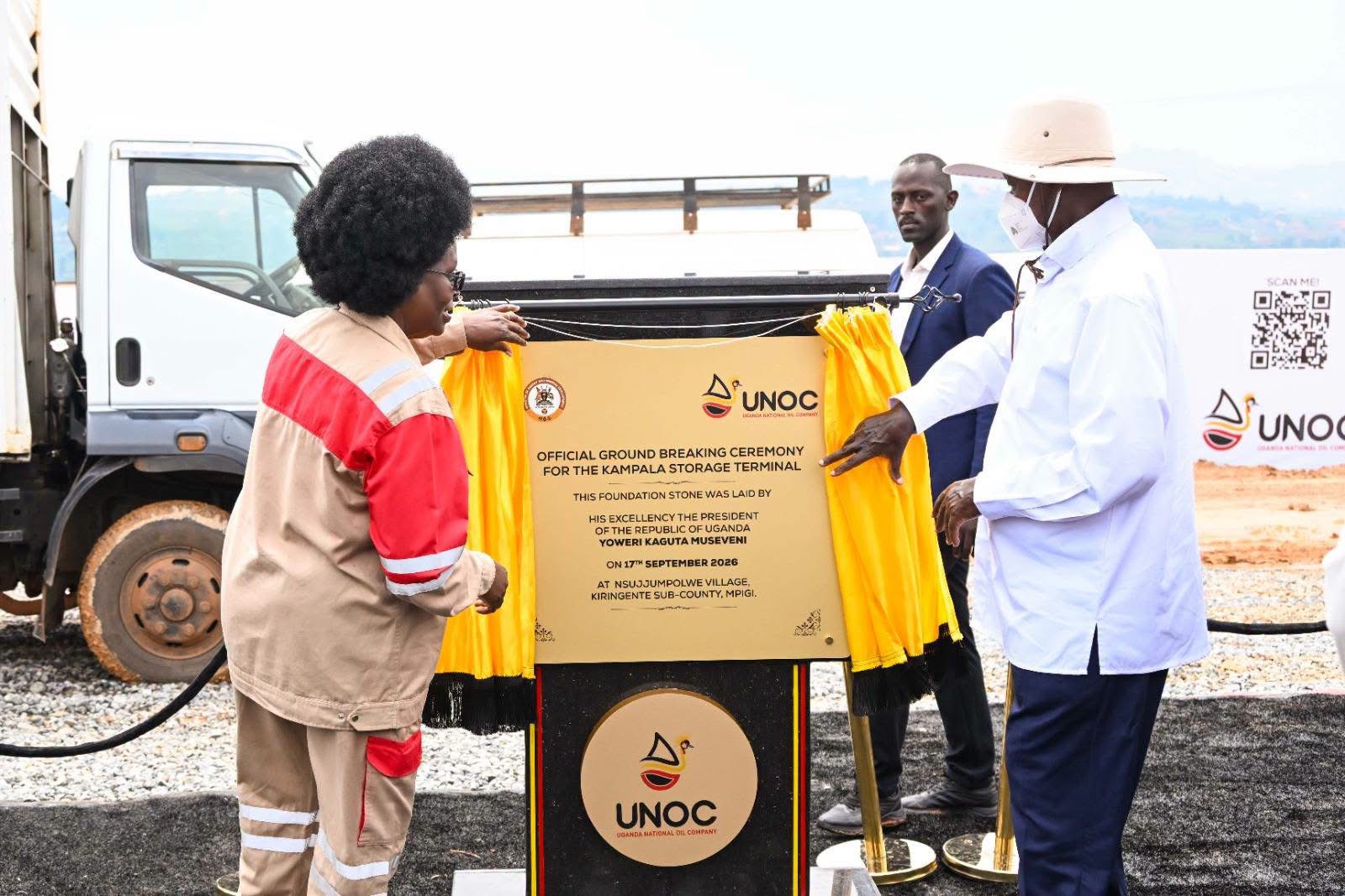
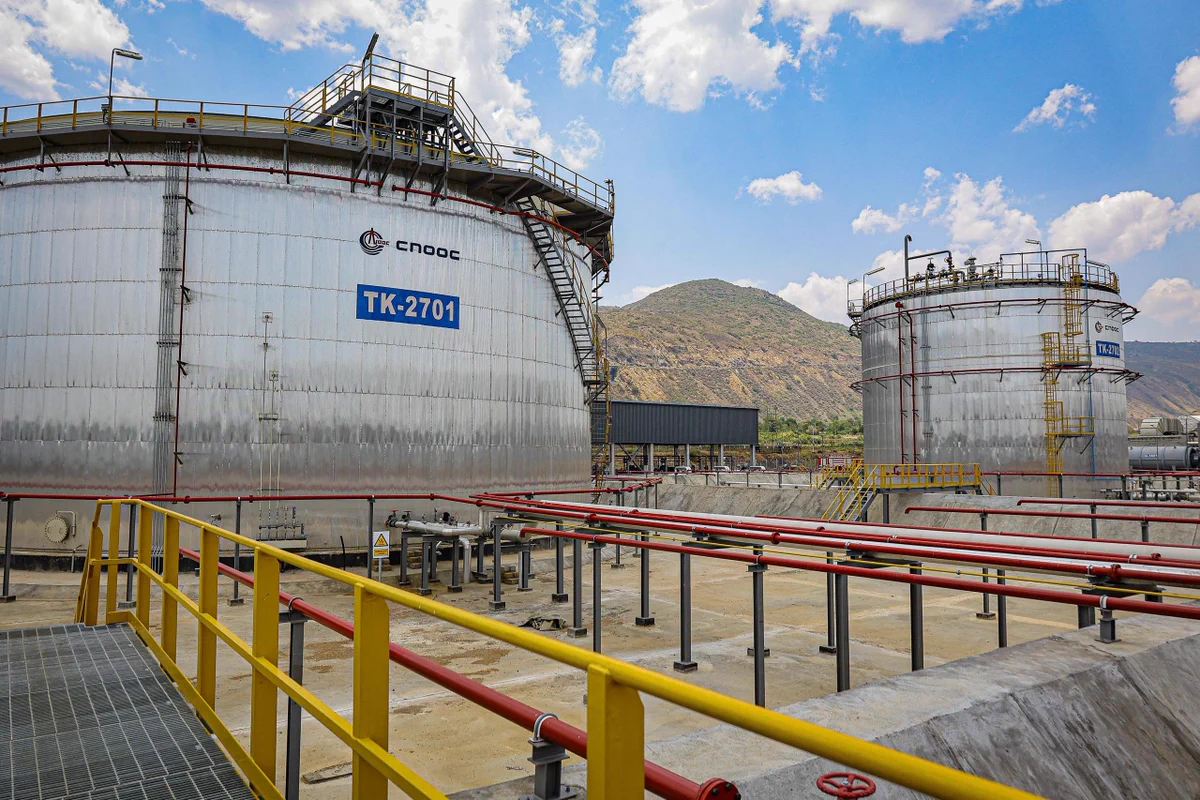
However, the biggest boost is expected in the 2026/27 financial year when oil production starts, pushing economic growth into double digits for the first time in more than three decades.
Musasizi said the expected growth will create jobs, increase household incomes and provide government with more resources to invest in essential services such as healthcare, education, infrastructure and security.
The minister attributed part of the country’s economic progress to strong export performance.
Uganda’s earnings from exports have more than tripled over the last five years, rising to $18.04 billion in the year ending March 2026 from $5.93 billion in 2022.
Key export products include coffee, gold, cocoa, fish products, sugar and manufactured goods.
Coffee remained one of Uganda’s top foreign exchange earners, generating $2.46 billion over the past year, up from $1.84 billion previously.
More Jobs Created
Government also reported growth in employment, particularly in the private sector.
The number of workers employed in formal private businesses increased from about 672,000 in 2016/17 to more than 2.3 million in 2024/25.
Uganda currently has over 503,000 public servants, while an estimated 10.5 million people work in the informal sector.
Musasizi said the increase in jobs reflects the impact of government programmes aimed at promoting industrialisation, business growth and wealth creation.
Revenue Collection to Rise
Government expects domestic revenue collections to increase from Shs35.7 trillion this financial year to Shs45.6 trillion in 2026/27.
The additional funds are expected to support investments in agriculture, tourism, manufacturing, science, innovation and infrastructure development.
Debt Remains Manageable
As of December 2025, Uganda’s public debt stood at about Shs126.2 trillion.
Of this amount, Shs68 trillion was borrowed from external lenders, while Shs58 trillion was raised domestically.
Despite concerns over rising debt levels, the Finance Minister maintained that Uganda’s debt remains sustainable because much of the borrowed money has been invested in roads, electricity projects, water systems, hospitals, schools and industrial parks.
Focus on Wealth Creation
The 2026/27 budget is built around government’s strategy of expanding commercial agriculture, industrialisation, services, digital transformation and market access.
Government believes the expected oil revenues, combined with growth in agriculture, manufacturing and exports, will help accelerate Uganda’s journey toward becoming a middle-income economy.
Economists, however, caution that the country will need to manage oil revenues carefully and continue diversifying the economy to ensure long-term and inclusive growth.











Leave a Reply