



Businesses with significant borrowings could enjoy greater tax relief under the proposed Income Tax (Amendment) Bill, while the Government is seeking to widen the tax base through new withholding tax measures targeting public entertainers, betting winnings and telecommunications commissions.
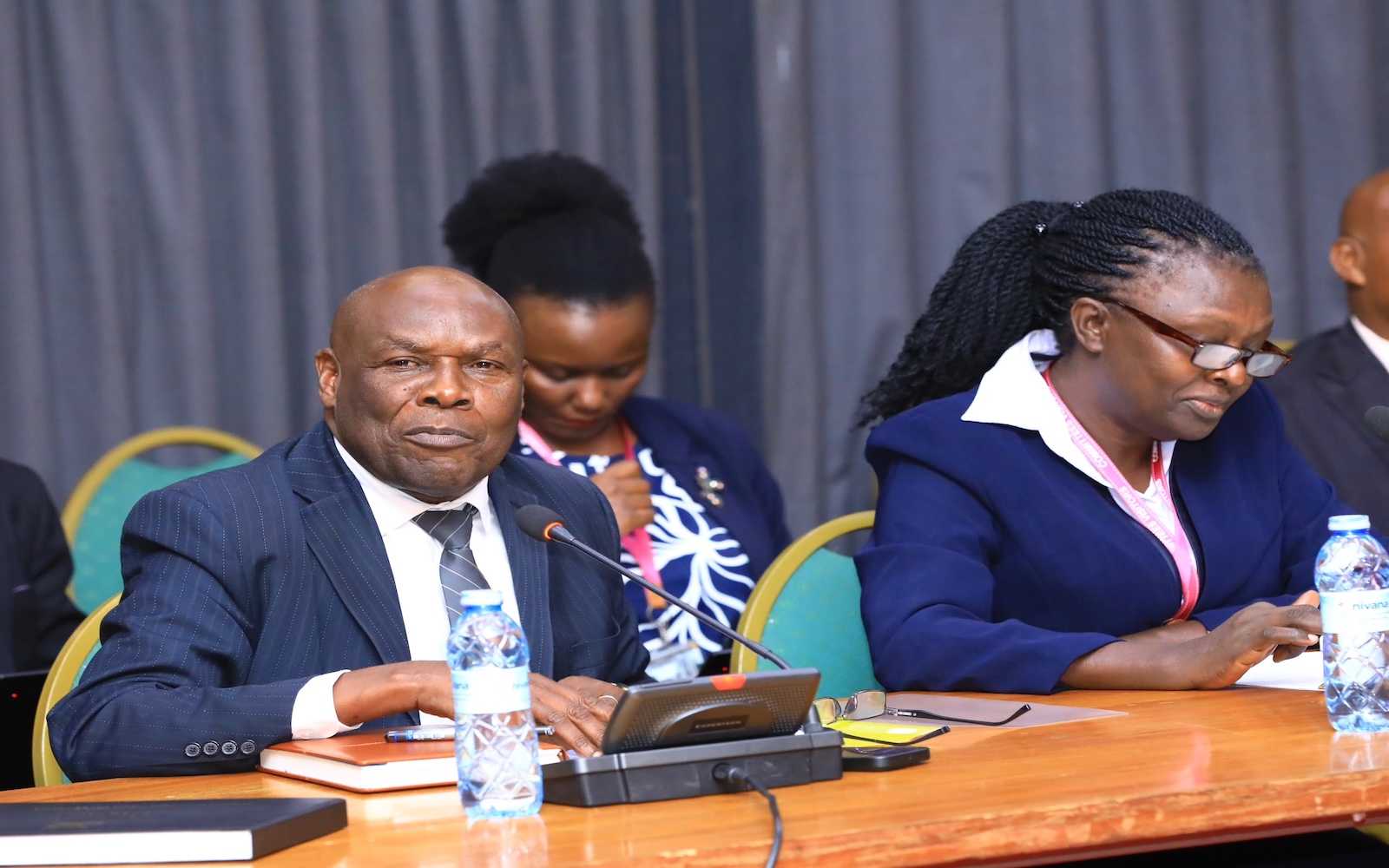
Speaking during a recent Foreign Chambers Policy Summit held at Sheraton Kampala Hotel to discuss the proposed tax amendments, tax consultant Ankit Agarwal said several of the changes seek to resolve long-standing disputes between taxpayers and the Uganda Revenue Authority (URA), while others are intended to improve tax administration and increase domestic revenue.
The one-day summit, supported by DFCU Bank and other partners, focused on aligning policy reforms with practical action to unlock investment, deepen regional trade integration, support private sector development and drive sustainable economic growth.
Among the most significant proposals is an amendment to Section 25 of the Income Tax Act, which limits deductible interest expenses to 30% of a company’s tax EBITDA.
According to Agarwal, the amendment addresses years of litigation over how tax EBITDA should be calculated.
“Previously, brought-forward tax losses reduced the tax EBITDA used to determine allowable interest deductions. The proposed amendment removes those historical losses from the computation, meaning businesses will calculate tax EBITDA based on their current year’s performance,” he explained.
He said the change will particularly benefit companies that rely heavily on debt financing by allowing them to claim larger interest deductions than before.
The amendments also exempt dormant companies within corporate groups from the interest limitation rules, removing compliance requirements for entities that have no accounting transactions.
Another notable proposal brings Tier 4 microfinance institutions into line with regulated financial institutions by allowing them to claim deductions for bad debt provisions arising from their lending activities. Previously, such deductions were subject to stricter conditions.
The proposal is expected to strengthen smaller lenders by recognising loan loss provisions as legitimate business expenses.
While some proposals ease the tax burden, others are expected to increase financing costs.
Government is proposing a 5% withholding tax on interest paid to international financial institutions, replacing the current exemption.
Agarwal said businesses with foreign loans may have to renegotiate financing agreements because many international contracts require borrowers to absorb any new taxes imposed during the loan period.
The proposal could increase the overall cost of borrowing for companies relying on offshore financing.
The amendments also introduce greater flexibility for landlords by allowing individuals earning rental income to pay their tax monthly instead of quarterly.
The proposal is intended to improve cash flow management without changing the overall tax liability.
Government has also moved to settle disputes over the taxation of betting and gaming winnings.
Under the proposed amendment, withholding tax will apply only to actual winnings rather than the total amount staked.
Agarwal said the clarification removes uncertainty that had resulted in differing interpretations of what constitutes taxable winnings.
“If someone stakes money and loses, or even recovers less than they staked, there is no winning. Tax should only apply to the actual gain,” he explained.
The proposals also introduce several new withholding tax obligations aimed at widening the tax base.
Payments made to public entertainers will attract 6% withholding tax, meaning companies and organisations hiring musicians, comedians and other performers for corporate events will be required to deduct and remit the tax.
Commission earned from airtime distribution and mobile money services will attract a final withholding tax of 10%, while withholding tax on insurance agents’ commissions will also become a final tax, reducing further tax obligations for recipients.
The amendments additionally include the Arab Bank for Economic Development in Africa among institutions exempt from income tax.
The tax proposals also reinforce the Government’s efforts to capture revenue from the digital economy following amendments expanding the definition of royalties to include software-related payments.
According to Agarwal, the changes are intended to modernise Uganda’s tax laws as digital business models continue to expand.
Although Parliament is yet to approve the amendments, tax experts are encouraging businesses to assess how the proposals could affect their operations, financing arrangements and compliance systems.
Several of the changes are designed to remove legal ambiguities that have generated disputes between taxpayers and URA, while others broaden the Government’s revenue base as it seeks to increase domestic tax collections.
Business leaders attending the briefing were urged to study the proposals closely and submit any concerns before the Bills are enacted.

















Leave a Reply