


KAMPALA — Uganda’s push to reduce dependence on imported industrial inputs is gaining momentum, with Roofings Group betting on deeper local steel processing to strengthen the country’s manufacturing base and retain more value within the economy.
The steel manufacturer’s latest expansion at Namanve comes at a time when Uganda is seeking to move beyond importing intermediate products and instead build an industrial chain capable of turning locally available resources into higher-value manufactured goods.
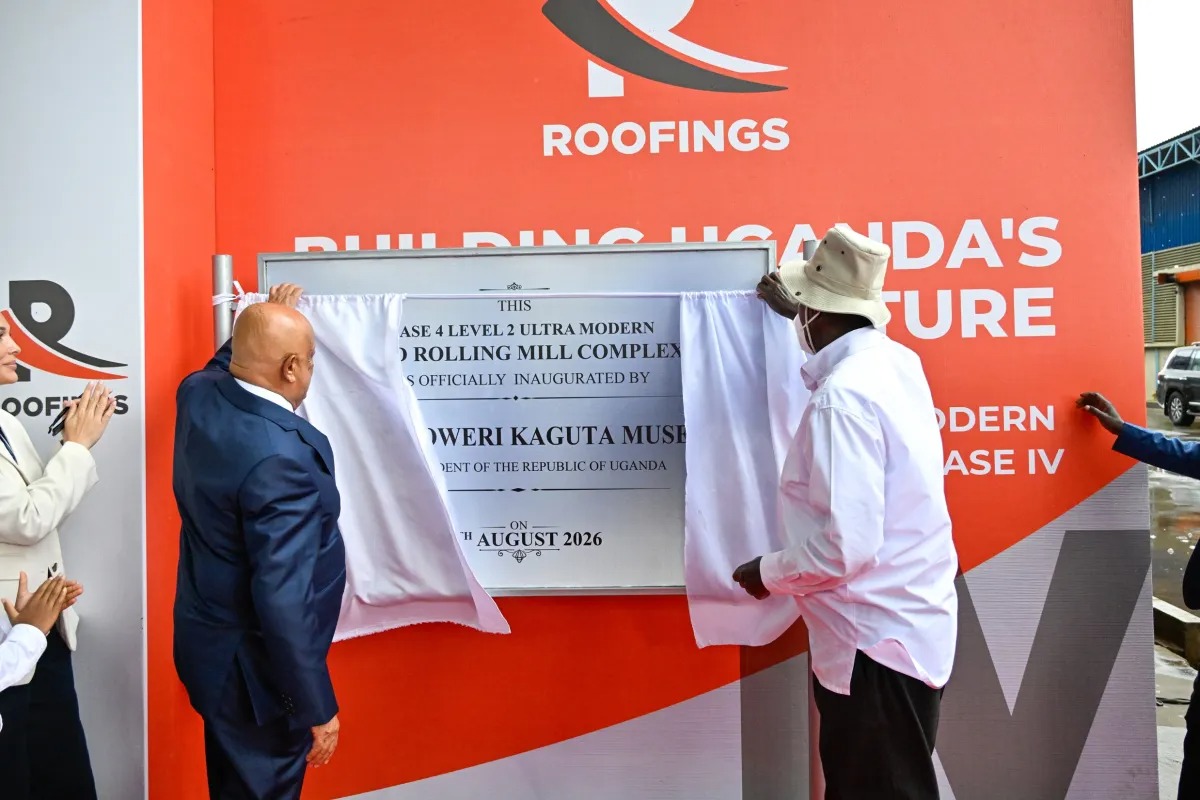
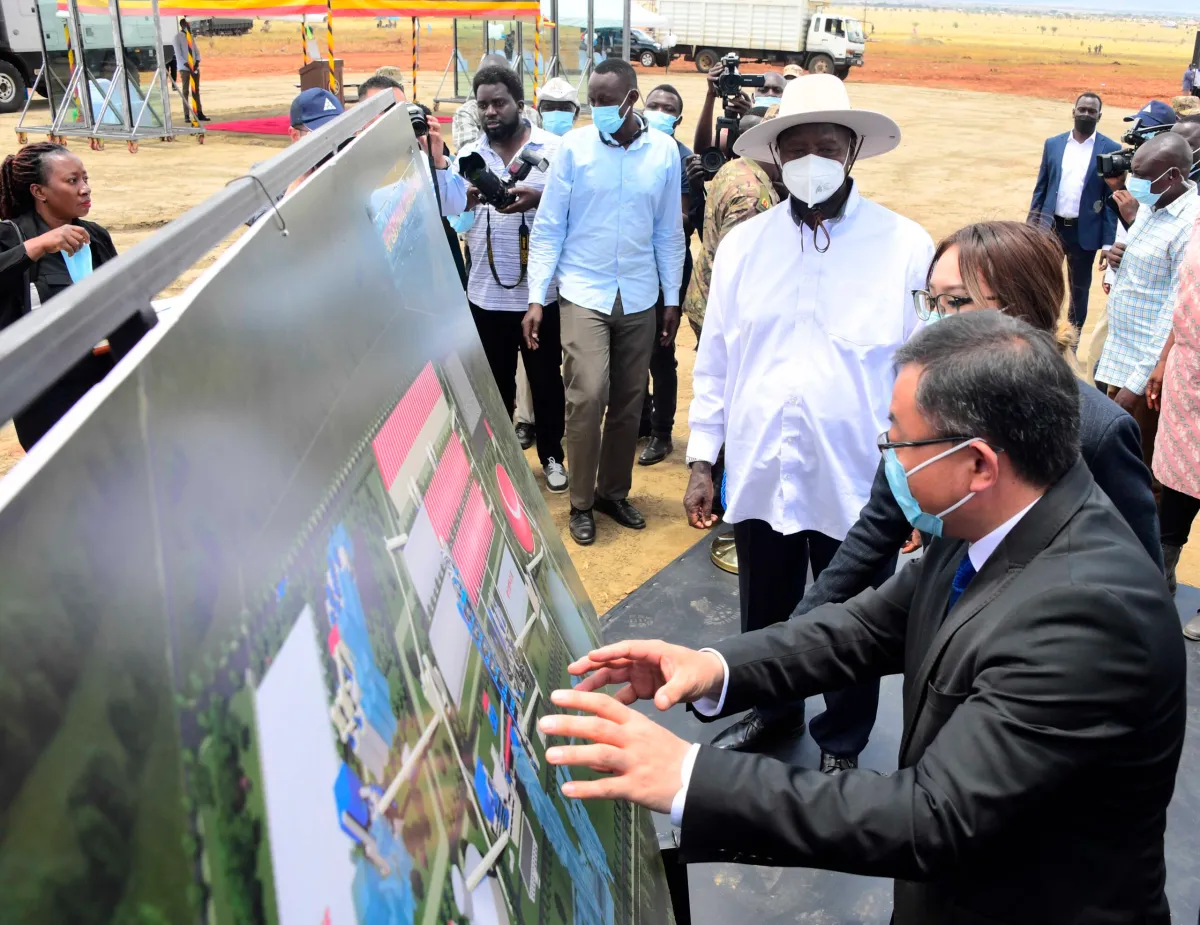
President Yoweri Museveni on commissioned Phase IV Level 2 of Roofings Group’s ultra-modern Cold Rolling Mill Complex at Namanve, an investment that government says will strengthen local production and reduce reliance on imported steel intermediates.
The new facility, valued at about $125 million, incorporates a cold rolling mill, edge-trimming line, galvanising line and colour-coating line. It is expected to increase the production of higher-value steel products for Uganda and regional markets.
For Uganda, the significance of the investment goes beyond increasing steel output. It represents an attempt to close gaps in the domestic manufacturing chain by producing inputs that have traditionally been sourced from outside the country.
Museveni said Roofings had previously imported intermediate steel products, including from Japan, before adding value to them in Uganda. The company is now moving towards producing more of those intermediate products locally.
That shift could have wider implications for local manufacturers that depend on steel inputs.
Roofings supplied raw materials and industrial inputs to 111 manufacturers in 2025, linking its operations to businesses beyond the steel sector. The Ministry of Finance has described the company’s operations as strengthening industrial value chains in Uganda and the wider East African region.
The company’s 2025 economic figures underline the scale of that industrial footprint.
Roofings generated Shs400.1 billion in value addition, recorded Shs229.6 billion in gross export sales and paid Shs191.2 billion in taxes, according to its 2025 performance data. Government figures also show that the company’s flat steel operations account for 54 per cent value addition.
The manufacturer also contributed Shs10 billion to NSSF during the year, while its electricity consumption was valued at Shs26.8 billion.
But the next phase of Uganda’s industrialisation will depend not only on production capacity, but also on whether manufacturers can operate competitively.
Roofings Chairman Dr Sikander Lalani welcomed recent reductions in industrial electricity tariffs but has called for greater reliability of power supply and improved railway infrastructure to reduce the cost of moving industrial inputs and finished products.
The concerns point to a broader challenge facing Uganda’s manufacturing sector: factories can expand production, but high energy, transport and logistics costs can weaken their competitiveness against imported products.
The government, however, sees the steel sector as strategic to the country’s industrial transformation.
The new Roofings facility also feeds into a much bigger ambition — developing an integrated Ugandan steel industry based increasingly on domestic raw materials.
Museveni pointed to Uganda’s iron ore deposits, including high-grade reserves with purity levels of about 65 per cent, arguing that the country has the resources to develop a competitive steel industry instead of exporting raw materials and importing finished products.
Government has also indicated support for backward integration in the iron and steel sector, including efforts to enable greater value addition to Uganda’s iron ore resources.
For Roofings, the expansion is therefore not simply about another factory. It is part of a broader strategy to deepen the steel value chain, increase domestic processing and position Uganda as a supplier of industrial products to the wider East African market.
The company currently has total production capacity of about 625,000 tonnes annually, while the latest investment is expected to increase its capacity to produce cold-rolled and coated steel products.
The real test now will be whether increased production can translate into a more competitive domestic steel industry, lower dependence on imported inputs and stronger linkages between Uganda’s manufacturers.
If that happens, the Namanve expansion could prove significant not simply because Roofings is producing more steel, but because more of the economic value generated from that steel could remain within Uganda.








Leave a Reply