


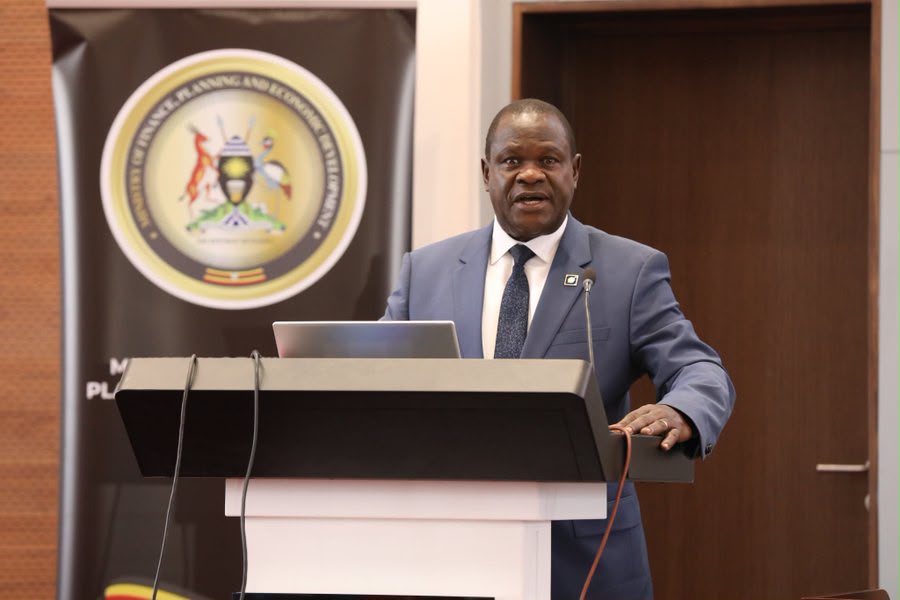
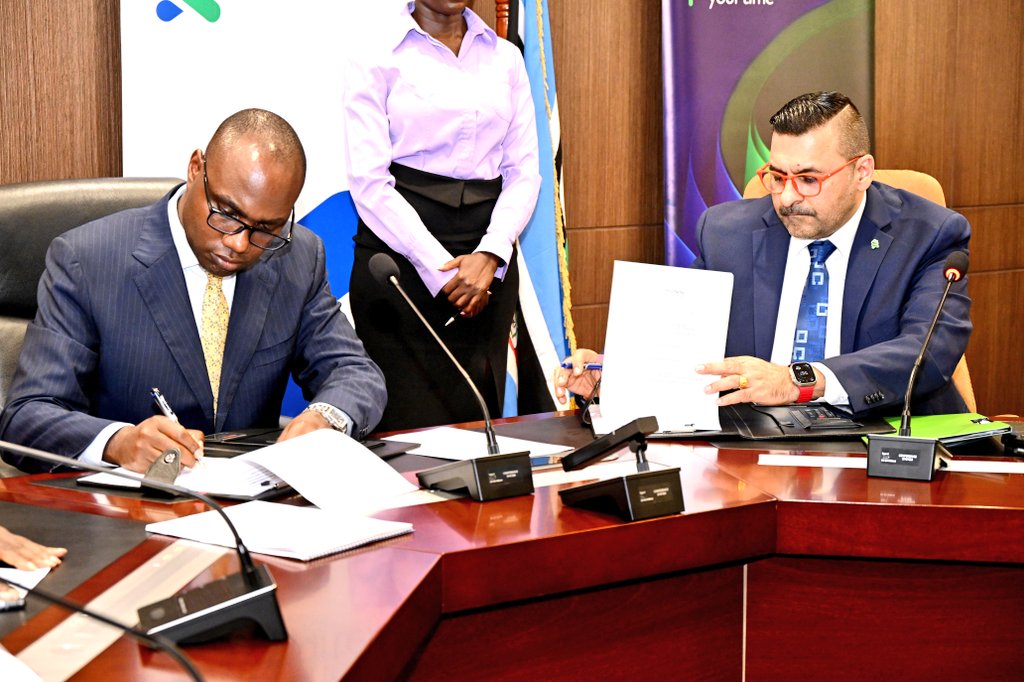
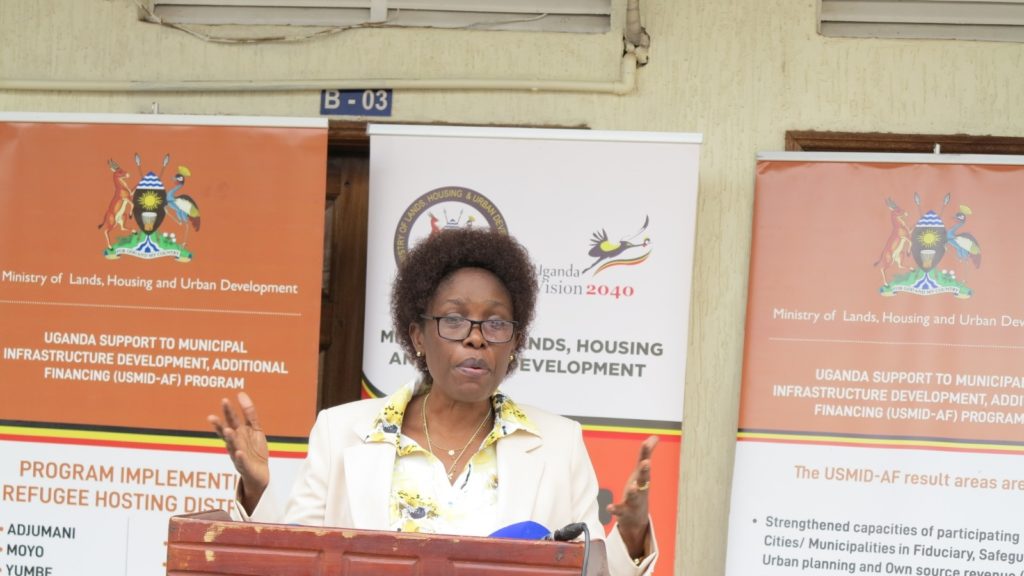
Patrick Ocailap-Deputy Secretary to the treasury addresses stakeholders during a media briefing at the Ministry of Finance and Economic Development headquarters.
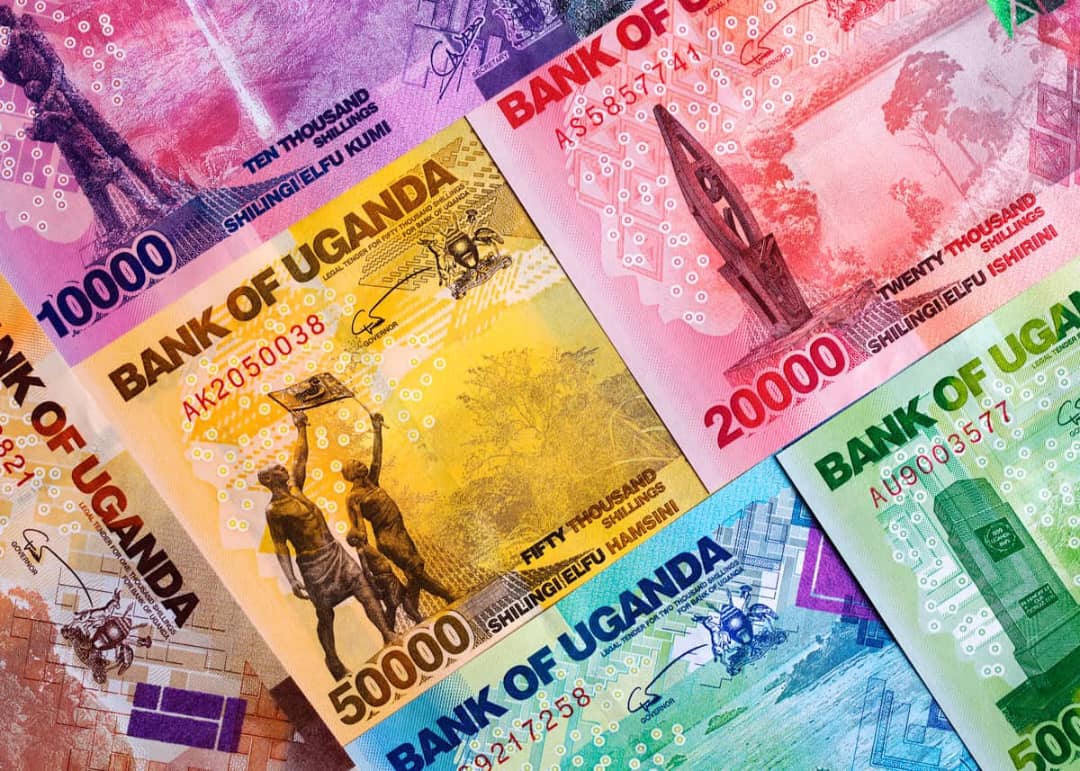
Government has released Shs21.82 trillion to fund government operations during the second quarter of the 2026/27 financial year, as the economy faces pressure from rising fuel prices, a weakening shilling and higher interest rates.
The funds will support government programmes, salaries, debt payments and key sectors, including health, transport and local governments.
The release comes amid growing concerns about rising prices. Headline inflation increased to 4.6 per cent in September, partly driven by higher global crude oil prices, which rose from about $60 to $104 per barrel.
The rise in fuel prices has also increased demand for dollars, particularly from energy and telecommunications companies importing goods and services. This has put further pressure on the shilling, which recently traded above Shs4,000 against the US dollar.
In response, the Bank of Uganda raised the Central Bank Rate (CBR) from 9.75 per cent to 12 per cent, its highest level in recent years, in an effort to contain inflation and pressure on the shilling.
Speaking during the budget release, Mr Patrick Ocailap, the Deputy Permanent Secretary and Secretary to the Treasury, acknowledged that higher interest rates would make borrowing more expensive for businesses.
However, he said the government and central bank had to act to prevent further weakening of the shilling and rising inflation.
“There is a cost to everything. You cannot have a cost-free economic policy, or monetary or fiscal policy,” Mr Ocailap said.
He argued that allowing the shilling to continue losing value would make imported goods more expensive and put further pressure on households and businesses.
However, economist Dr Fred Muhumuza questioned the decision to raise interest rates, arguing that the current inflation pressures are largely coming from external factors that cannot be solved by tightening domestic monetary policy.
“I think this is a wrong time to take that decision, knowing very well an increase in the central bank rate and related rates that follow is not going to resolve the current problem because it’s global,” Dr Muhumuza said.
He said the government’s borrowing and spending were contributing more to money supply growth than private sector borrowing, and argued that fiscal spending should therefore be addressed instead of making credit more expensive for businesses.
Dr Muhumuza also warned that high interest rates could discourage investment as investors opt for government securities instead of putting money into businesses such as manufacturing and agriculture.
Despite the debate over the appropriate response to the economic pressures, the Finance Ministry has released the funds to support government operations during the second quarter.
The money will be spent as follows:
- Public debt: Shs10.75 trillion for maturing debt obligations and Treasury operations.
- Salaries and pensions: Shs2.42 trillion for public service wages and Shs376.6 billion for pensions.
- Transport infrastructure: Shs1.48 trillion for roads, railways and Uganda Airlines.
- Health and medicines: Shs416.5 billion for health operations and Shs284.7 billion for the National Medical Stores.
- Local governments: Shs457.4 billion for districts across the country.







Leave a Reply