


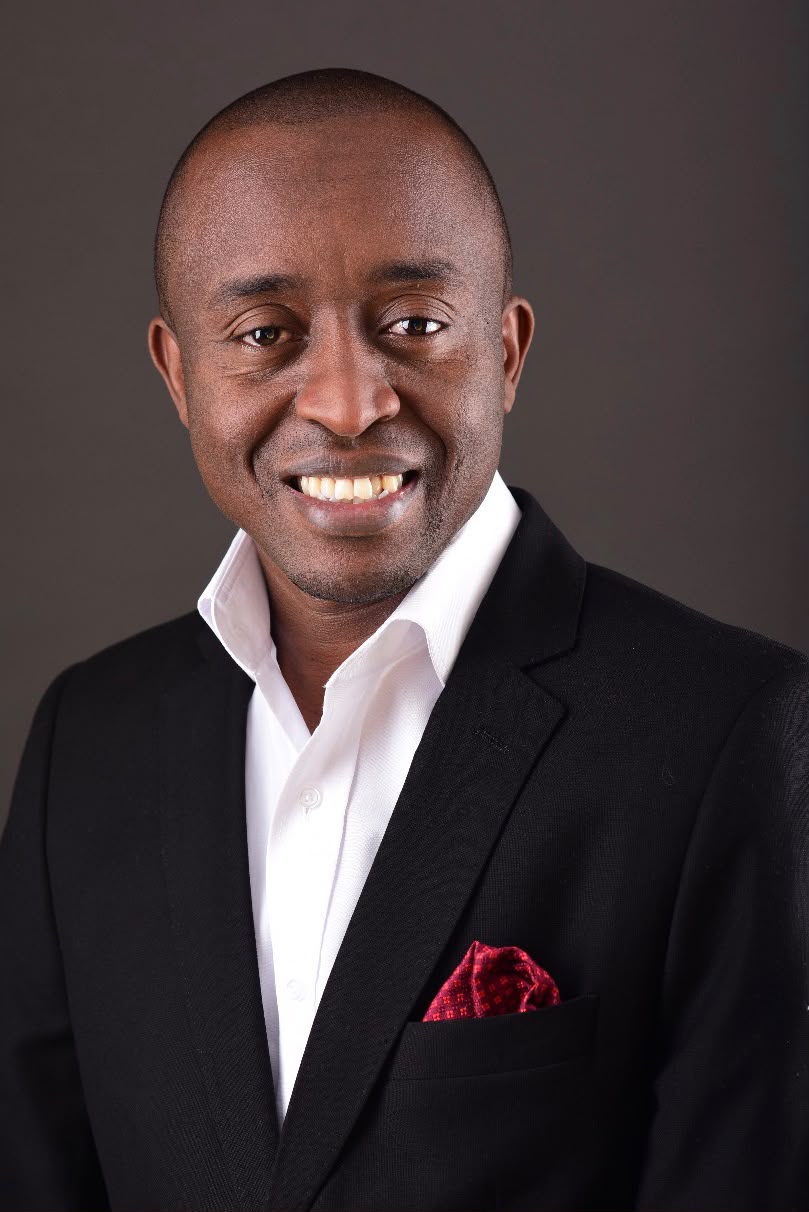
Sande Protazio-Acting Chief Executive Officer of the Insurance Regulatory Authority
Uganda’s insurance industry must position itself to manage complex, emerging risks arising from aggressive infrastructure development, climate change, the expanding oil and gas sector, and rapid digitalisation, the Acting Chief Executive Officer of the Insurance Regulatory Authority (IRA), Sande Protazio, has warned.
Sande noted that the country’s ambitious national development agenda has inherently become a risk agenda, creating vital opportunities for risk professionals to provide specialized solutions to businesses, farmers, households, and investors.
Speaking at an event organized by the Insurance Training College (ITC) to commemorate the legacy of late insurance pioneer John Sebaana Kizito, Sande stressed that major economic drivers cannot advance without risk management at the core.
“Uganda’s development agenda is a risk agenda. There is no way we are going to discuss development and leave risk professionals away from the discussion table,” Sande said.

The annual memorial lecture was established to honour the legacy of the late John Evangelist Ssebana Kizito, who was among the pioneers of Uganda’s insurance industry.
Although Ssebana Kizito was widely known as a politician, his contribution to the insurance industry went beyond politics.
Protazio highlighted that increased investments in transport networks, energy, oil and gas, and manufacturing generate substantial demand for insurance coverage because such large-scale projects carry significant financial and operational exposures.
According to Sande, agriculture also presents a major frontier for the industry as farmers increasingly face unpredictable weather patterns driven by climate change. Shifting rainfall cycles have rendered traditional farming knowledge unreliable, heightening the need for innovative insurance products that protect agricultural investments against climate volatility.
Concurrently, Sande identified digitalisation and cyber risks as critical areas requiring urgent attention. With millions of Ugandans conducting financial transactions, shopping, and communication online, both individuals and enterprises face heightened exposure to cyber threats and digital fraud.
“There is a risk in it because it is possible that your account can be wiped in a second. So, there are cyber threats,” he warned, urging insurers to formulate robust risk mitigation and coverage frameworks.
Sande described insurance as a foundational component of Uganda’s economic infrastructure, estimating the domestic market at approximately Sh2 trillion in gross written premiums, evenly split between life and non-life business. He noted that anticipated oil and gas production will drastically scale the market size in the coming years.
Insurance Brokers Association of Uganda (IBAU) CEO Christopher Mugisha pointed out that Uganda’s insurance penetration of less than one percent offers a massive opportunity for young professionals entering the sector. He emphasized that the future of the industry will rely heavily on technological integration, data analytics, and microinsurance.
“The future of insurance will not be built in boardrooms alone. It will be built on mobile phones, data analytics, microinsurance, empathy and, most importantly, trust,” Mugisha said.
Mugisha urged students and practitioners to uphold professionalism, integrity, and innovation, drawing direct inspiration from Sebaana Kizito, whom he praised as Uganda’s first true insurance broker, company founder, and trainer.
ITC Chief Executive Officer Saul Sseremba also encouraged young professionals to stay focused on their aspirations and prepare to navigate a fast-evolving economic landscape.
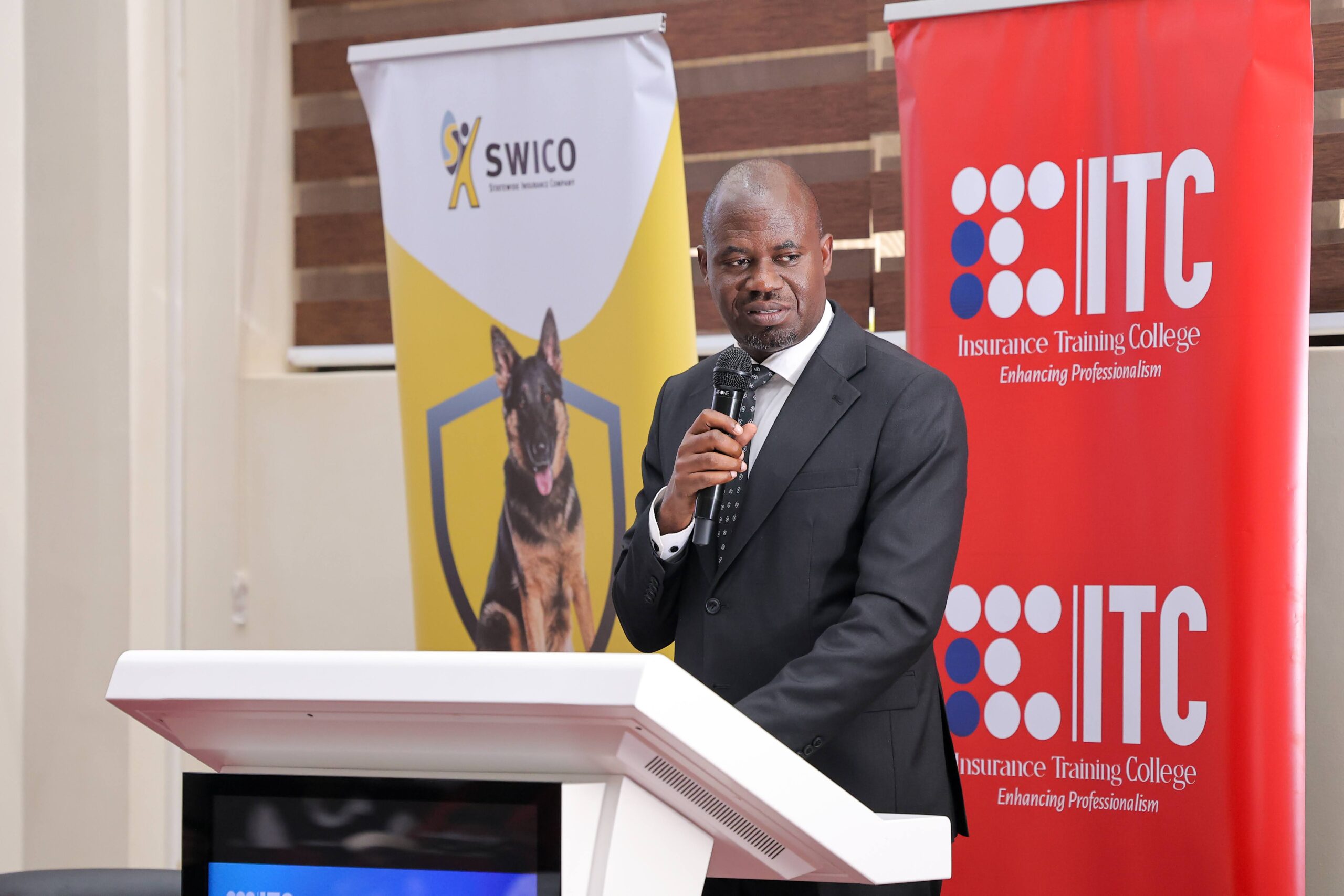
 Saul Sseremba-ITC Chief Executive Officer and Principal Speaking During the lecture
He said the insurance industry could no longer rely on professionals whose main role was selling insurance, given the increasingly complex risks facing businesses and individuals.
“We need people who think about risks. We need actuaries, underwriters, claims specialists, risk managers and investment professionals. But not just the ordinary ones, but those who can think into the future,” Sseremba said.
He noted that emerging risks such as cyber threats and increased use of data analytics require insurance professionals to continuously upgrade their skills.
Sseremba also said customers are demanding more innovative insurance solutions, requiring professionals to understand their needs and develop products that respond to changing circumstances.
















Leave a Reply